
Nearly ten billion euros. That is the sum currently associated with the Seine-Nord Europe canal project, the river link intended to connect the Paris basin with the ports of northern Europe. A figure that makes one gasp when compared with the initial estimates and raises questions about how this project has been steered over the past two decades.
The gap is striking. In 2006, the announced cost of the project stood at 3.6 billion euros. Three years later, in 2009, the bill had already climbed to 4.2 billion euros. Today, it would approach 10 billion.
- The cost of the Seine-Nord Europe canal has more than doubled, rising from 3.6 billion euros in 2006 to nearly 10 billion today.
- Fourteen years separated the 2008 declaration of public utility from the actual start of work in October 2022.
- The canal’s commissioning is still listed for 2030, despite the delays incurred and financing uncertainties.
A bill that has more than doubled in twenty years
This budget drift is not a mere accounting footnote. It tells the story of a project whose technical and environmental scope has expanded since its initial conception. Between 2006 and 2009 already, the stated cost had risen by 600 million euros, even though not a single meter of canal had yet been dug.
The Seine-Nord Europe canal is meant to connect Compiègne, in the Oise, to Aubencheul-au-Bac, in the Nord, over 107 kilometers. It sits within the European Seine–Escaut corridor, intended to link the French navigable network to more than 20,000 kilometers of European waterways. The ambition is to move large-barge convoys, capable of transporting up to 4,400 tonnes of goods each, the equivalent of 220 trucks according to data released by the authorities backing the project. On paper, the infrastructure was supposed to streamline commercial exchanges between France, Belgium and the Netherlands.
Two decades separate the first estimates from the latest figures known. Twenty years, and a bill that has almost tripled.
Two decades of paperwork before the first shovel
The project is not new. Its declaration of public utility dates back to 2008, at a time when people spoke of a few billions, not ten. Between this declaration and the actual start of construction, more than a decade passed, punctuated by financial negotiations, political U-turns and complex legal arrangements between the State, the concerned regions and the European Union.
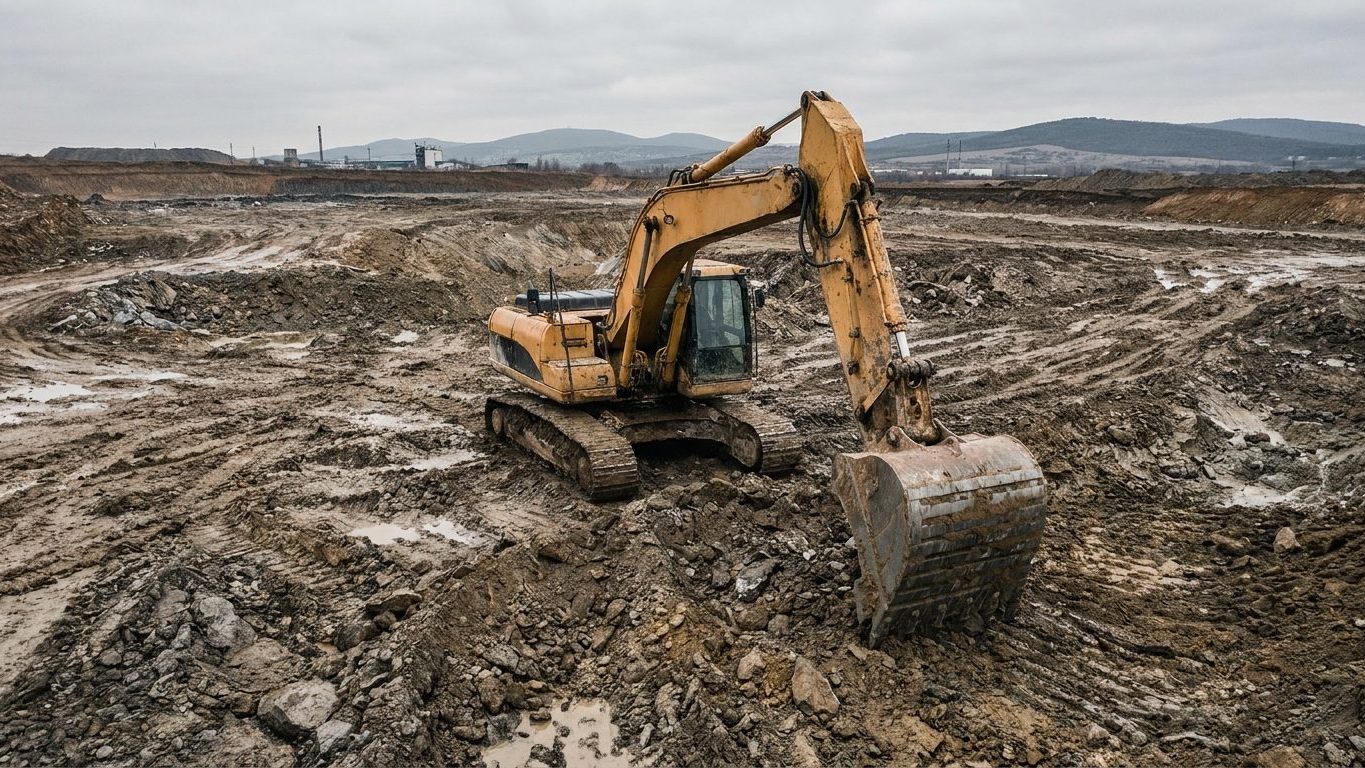
The first spades were finally turned only in October 2022. Fourteen years after the declaration of public utility. It is a measure of the difficulty in finalizing funding so heavy, spread among European funds, state contributions and the participation of local authorities.
For a project of this magnitude, often described as the largest transport infrastructure project currently under way in France, this delay weighs heavily. Each year of postponement naturally increases construction costs, due to inflation and the revision of environmental standards. The project would thus have spanned four presidencies of the Republic without a single excavator entering the ground.
2030, the deadline still shown
Despite this accumulated delay, the canal’s commissioning remains announced for 2030. It is the date that still appears today in the official communications of the project and the authorities backing it, eight years after the actual start of construction.
This deadline assumes the seamless progression of several phases of work, from earthworks to the construction of civil engineering works, including the development of locks and loading docks. The project advances sector by sector, from the Oise to the Nord, with infrastructure work already underway since 2022 in the Oise department. Keeping to 2030 would require no further major delays, in a context where financing for such a large project remains subject to annual budgetary decisions by the State and the regions.
Ten billion euros, eight years of targeted works, a deadline set for 2030. The Seine-Nord Europe canal remains, for the moment, a mid-course project whose ultimate financial outcome has yet to be determined.
Sources: action-agricole-picarde.com | somme.fr | europe-en-hautsdefrance.eu
