
Recently, an online platform published an infographic listing the 12 bones in the human body whose fractures are most common. The document thus identifies the areas of fractures most frequently recorded across the tens of millions of cases worldwide each year.
Leg fractures top the list
As a reminder, a bone fracture represents a partial or complete break in the continuity of a bone. Most often, it results from trauma or a weakening of the skeletal structure. Moreover, the types of fractures are numerous, depending on whether the bone penetrates the skin (open or closed), the extent of the break (complete or incomplete) or, furthermore, the shape of the fracture line (transverse, spiral or comminuted).
But where do fractures most often occur in the human body? The media outlet Visual Capitalist attempted to answer this question with an infographic published in August 2026. Listing the 12 most frequently affected areas, the document is based on a study published in the Lancet Healthy Longevity journal in 2021. It was the world’s largest epidemiological observational study, notably taking into account the 178 million fracture cases recorded worldwide in 2019.
With 32.7 million incidences in 2019 – 19.3 million men and 13.4 million women – leg fractures come first. These involve primarily the kneecap, tibia, fibula and ankle. It should be noted that these bones show particular vulnerability explained by a combination of mechanical constraints, anatomical exposure and common injury mechanisms related to walking, sport and falls. These bones constantly bear the body’s weight, are vulnerable to torsional forces and are subject to direct anatomical exposure (unprotected).
The upper body is also heavily affected
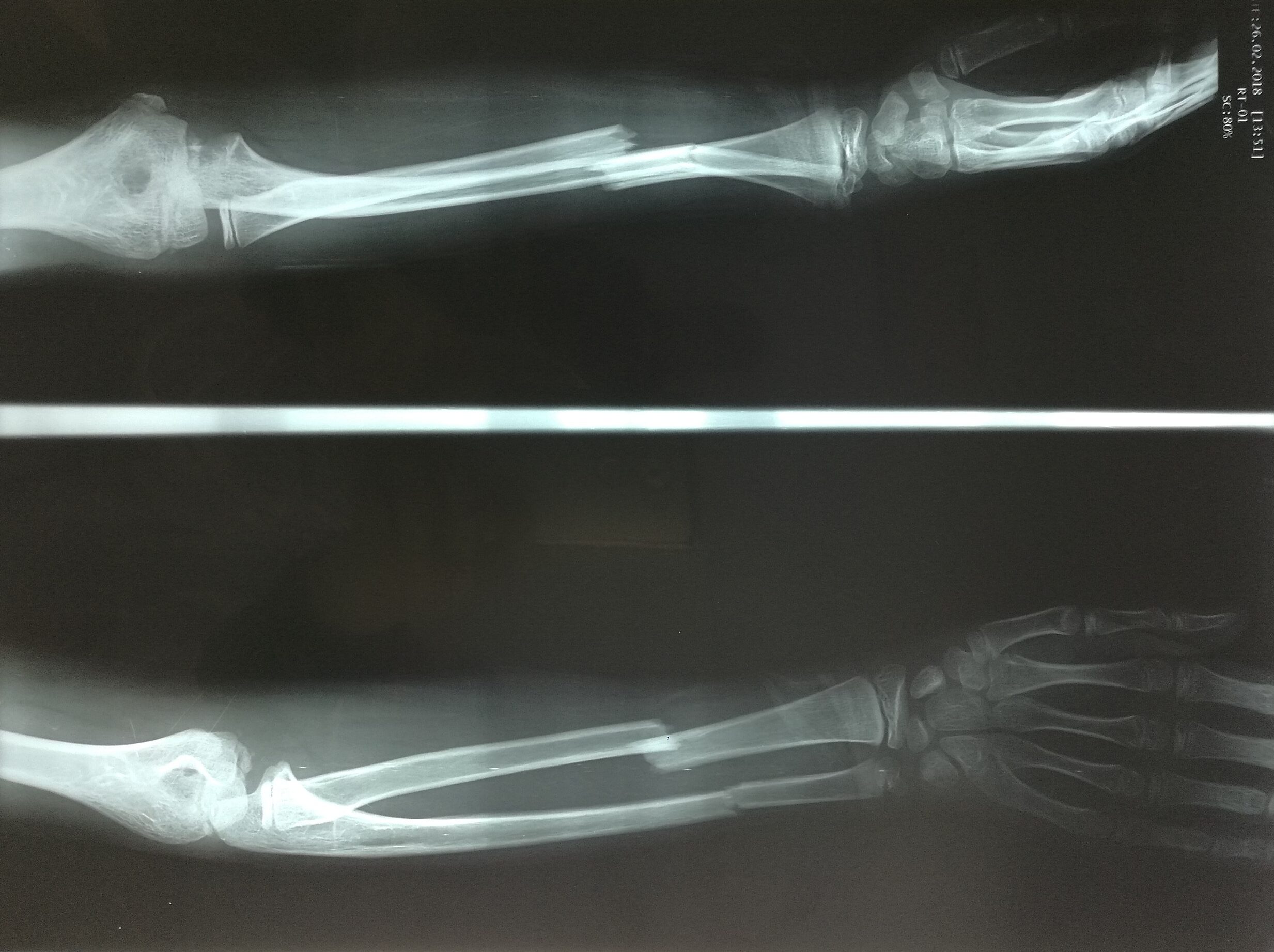
The second most affected area by fractures lies in the upper body. With 30.7 million incidences, we find the forearm, more specifically the radius and the ulna – two parallel bones. Affecting men and women fairly equally, fractures in this region often arise due to several mechanical, behavioral and anatomical factors. Notably, the protective reflex during a fall or against direct impacts, as well as the substantial anatomical exposure, play a role.
The trio of most frequently affected areas is completed by the combination of the clavicle / scapula / arm (humerus). This type of fracture accounted for 19.3 million cases in 2019, affecting men slightly more than women. It should be noted that when the scapula is involved with the clavicle and the arm, fractures of this bone are rare. They occur far more often at the clavicle, due to its role as a load-bearing strut and its geometric weakness, and at the humerus because of the lever effects of impacts and its connection to osteoporosis.
In order of incidence, the other parts of the body most affected by fractures are the hand and wrist, the thigh (femur), the hip, the bones of the foot (excluding the ankle) and the facial bones. Next come the spine, the skull, the pelvis and the ribs + sternum.
