
Imagine holding in your hands a delicate glass vial, sealed since the era of Roman emperors, hoping to discover traces of precious oils or forgotten floral essences. That is the classic scenario of archaeology. Yet a recent chemical analysis conducted on a vessel unearthed in Turkey has shattered this romance with unprecedented bluntness. What the researchers found inside was not a cosmetic, but the very first physical evidence of a medical practice once thought to be confined to ancient texts: the careful and prepared use of human feces.
An Overlooked Discovery in the Reserves
The story of this discovery begins far from excavation sites, in the quiet reserves of Bergama Museum in Turkey. Cenker Atila, an archaeologist at Cumhuriyet University, was inspecting objects from a tomb in the ancient city of Pergamon. His attention was drawn to an unguentarium, a small glass bottle dating back about 1,900 years, traditionally used to store perfumes or oils.
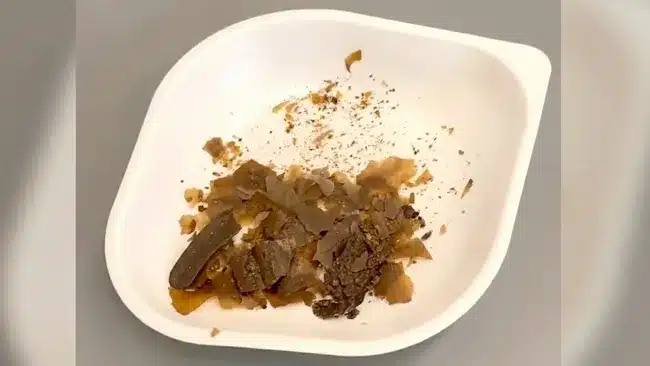
Although the bottle had been sealed with clay in antiquity, it contained dark brown residues that had eluded notice until then. Intrigued by this substance that released no discernible odor upon opening, Atila decided to conduct a thorough analysis. It was this curiosity that allowed a dusty artefact to become a major scientific finding, published on January 19 in the Journal of Archaeological Science: Reports.
The Chemical Signature Does Not Lie
To unravel the vial’s secret, researchers employed a state-of-the-art technique: gas chromatography coupled with mass spectrometry. This method enables the separation and identification of the chemical components in a sample with molecular precision.
The results were unequivocal. The analysis revealed the presence of coprostanol and 24-ethyl coprostanol. For chemists, these are undeniable fecal biomarkers: they form in the digestive tract during cholesterol digestion. The specific ratio between these two molecules allowed scientists to confirm the material originated from human feces.
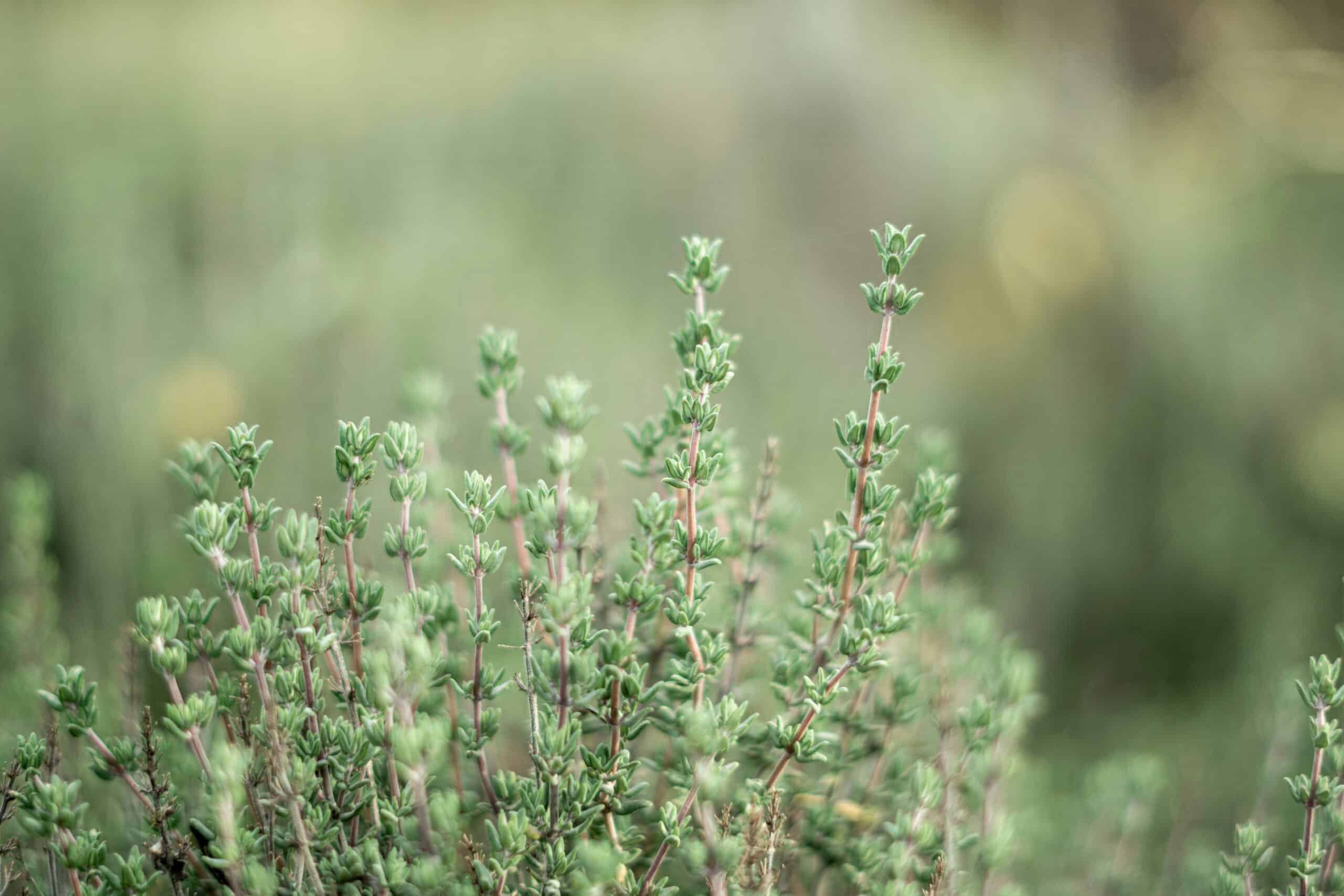
But the analysis did not stop there. It also detected carvacrol, an aromatic organic compound characteristic of thyme. This was not a case of accidental contamination; it indicated a deliberate preparation: a mixture of excrement and herbs.
The Doctor Galen’s “Remedy”
Why mix thyme with feces? The answer lies in the medical texts of the era, and especially those of Galen, the most renowned physician of antiquity, who hailed from Pergamon. In the second and third centuries, Roman medicine was pragmatic and sometimes repulsive by modern standards. Ancient writings regularly mention the use of fecal matter to treat a range of conditions, from inflammations to infections, including reproductive troubles. Galen even described precise recipes, praising the virtues of the feces from a child fed exclusively on legumes, bread, and wine.
However, Roman physicians were not naïve: they knew the foul odor of such remedies could provoke rejection or disgust in their patients. The thyme discovered in the vial therefore did not serve a direct therapeutic purpose, but acted as an olfactory “mask.” It was an ancient attempt to make the unthinkable bearable.
From Theory to Practice
Until now, historians had only the writings to attest to these practices, leaving lingering doubt: were these extreme remedies truly applied, or did they remain theories confined to parchments?
This Pergamene vial provides the definitive answer. It represents the first direct chemical evidence that Romans did indeed apply fecal-based ointments to the body. This small glass bottle reminds us that the history of medicine is built on trials, errors, and desperate attempts to heal, even when it meant holding one’s nose.
