
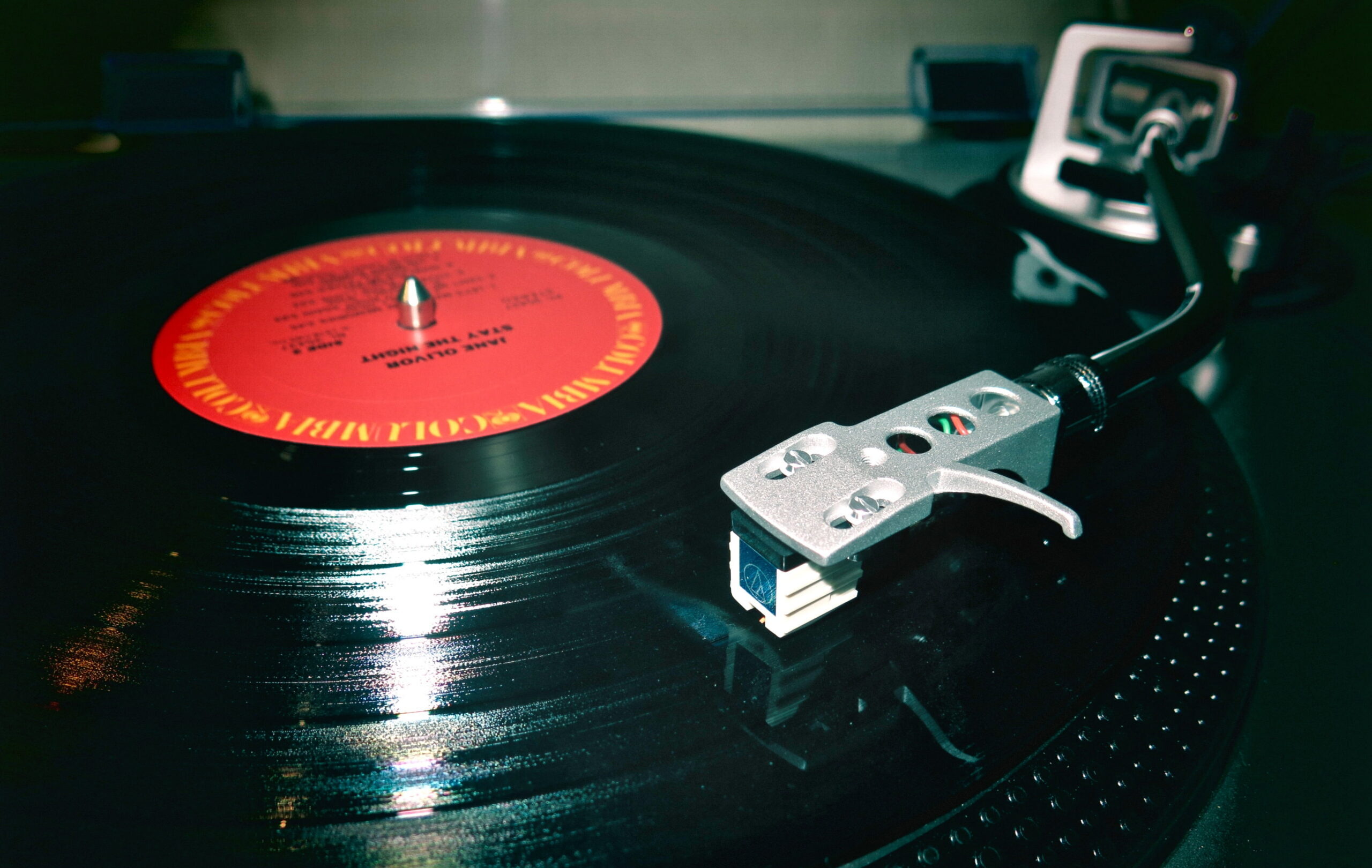
A dome of heat is over Europe, an exceptionally severe heatwave that should normally taper off in the coming days. Since the start of this episode, some people have worried about their vinyl record collections. Why?
A historic heatwave across Europe
Since June 17, 2026, a historic heatwave has swept across Europe, following an initial alert in the last week of May. France was quickly affected, with extreme temperature peaks on June 21, prompting 35 departments to be placed on red alert. June 24 becomes the hottest day ever recorded in France, with a national thermal index reaching a record 30°C. A day later, the geographic peak was reached with 72 departments simultaneously on red alert. A gradual retreat began from the west on June 27 thanks to violent storms, although the heat remains in the eastern part of the country.
Currently, the heat dome is indeed moving eastward: Poland, the Czech Republic, Slovakia, Hungary and Romania are facing maximum alerts with temperatures ranging from 38°C to 43°C. Prior to that, aside from France, other affected countries included Spain, Portugal, the Netherlands, Belgium, the United Kingdom, Germany and Switzerland.
On June 24, 2026, the Hugffington Post published an article about one of the possible side effects of the heatwave: the degradation of vinyl records, once again popular in recent years. Many posts on social media show concerned collectors. Some checked their collections and found that while the discs hadn’t melted, they could become “soft.”
Are there real reasons to worry?
Vinyl records are made of polyvinyl chloride (PVC), a thermoplastic polymer that is also found in numerous packaging materials, certain clothing, toys, floor coverings, ceilings, doors, etc. Regarding the records, the plastic compound – very often black due to the addition of carbon – mixed with chemical stabilizers to resist wear from the stylus and aging.
Since PVC is a thermoplastic, it softens when heated and hardens when cooled. During heatwaves, this material exhibits major structural weaknesses in the face of heat. Typically, it shifts from a rigid state to a rubbery, pliable state after reaching a critical threshold of 60°C to 65°C. However, the danger begins much earlier because as soon as 35°C to 40°C, vinyl already loses much of its structural rigidity. In other words, any pressure or improper storage can cause irreversible deformations.
In practice, the most common problem is warping. Under the effect of heat, the internal stresses in the plastic are released and the record becomes hazy (or bows). It is then no longer flat and during playback the tonearm makes vertical movements that are too violent, causing the diamond to jump and rendering the record unplayable. Moreover, using a vinyl above 35°C can cause destruction of the engraved musical frequencies (microgrooves), leading to a permanent loss of sound quality. Additionally, plastic inner sleeves (or low-quality ones) can melt and leave residues that are impossible to clean from the record.
Danger zones and tips to protect the collection
During heatwaves, the danger zones for vinyl are cars, windows, and attics. In cars parked in the sun, the cabin and trunk can reach temperatures around 70°C, destroying a record in as little as fifteen minutes. At home, windows create a magnifying effect. A vinyl placed behind a window can quickly warp. Attics are typically poorly insulated spaces, with indoor temperatures easily exceeding 40°C.
Protecting one’s collection from the heat should therefore be a priority for collectors. First, ensure you store the records upright, like books. Ideally, the shelves holding them should be against an interior wall of the dwelling, in the coolest room and away from windows. Finally, it is wise to replace traditional inner sleeves with paper sleeves lined with high-quality polyethylene.
