
Global submarine construction has returned to Cold War-era levels. This time, however, China dominates by a wide margin: about 24 submarines launched since 2021, seven new classes introduced in five years, and a potential nuclear-production capacity reaching six units per year — three times the American target.
What you will learn
- Why China is building submarines three times faster than the United States and twice as fast as Russia
- Which new Chinese submarine technologies have no known equivalents elsewhere
- How submarine construction has spread far beyond traditional naval powers
A production level on par with the Cold War
In five years, 16 countries have launched about 77 submarines — a production pace reminiscent of the 1980s. But unlike the Cold War, this production is no longer concentrated between two superpowers: it has spread across the world, with new players building or planning their first national submarine fleets.
Of these 77 units, 33 are nuclear-powered, built by six countries: China, Russia, the United States, the United Kingdom, France and India. Brazil and North Korea are currently constructing them, and Australia as well as South Korea plan to adopt them in the future, notes Interesting Engineering.
China Leads the World
The numbers are without dispute. Since 2021, China has launched about 24 submarines — twice as many as Russia (12) and more than three times as many as the United States (7). But quantity is not the sole indicator.
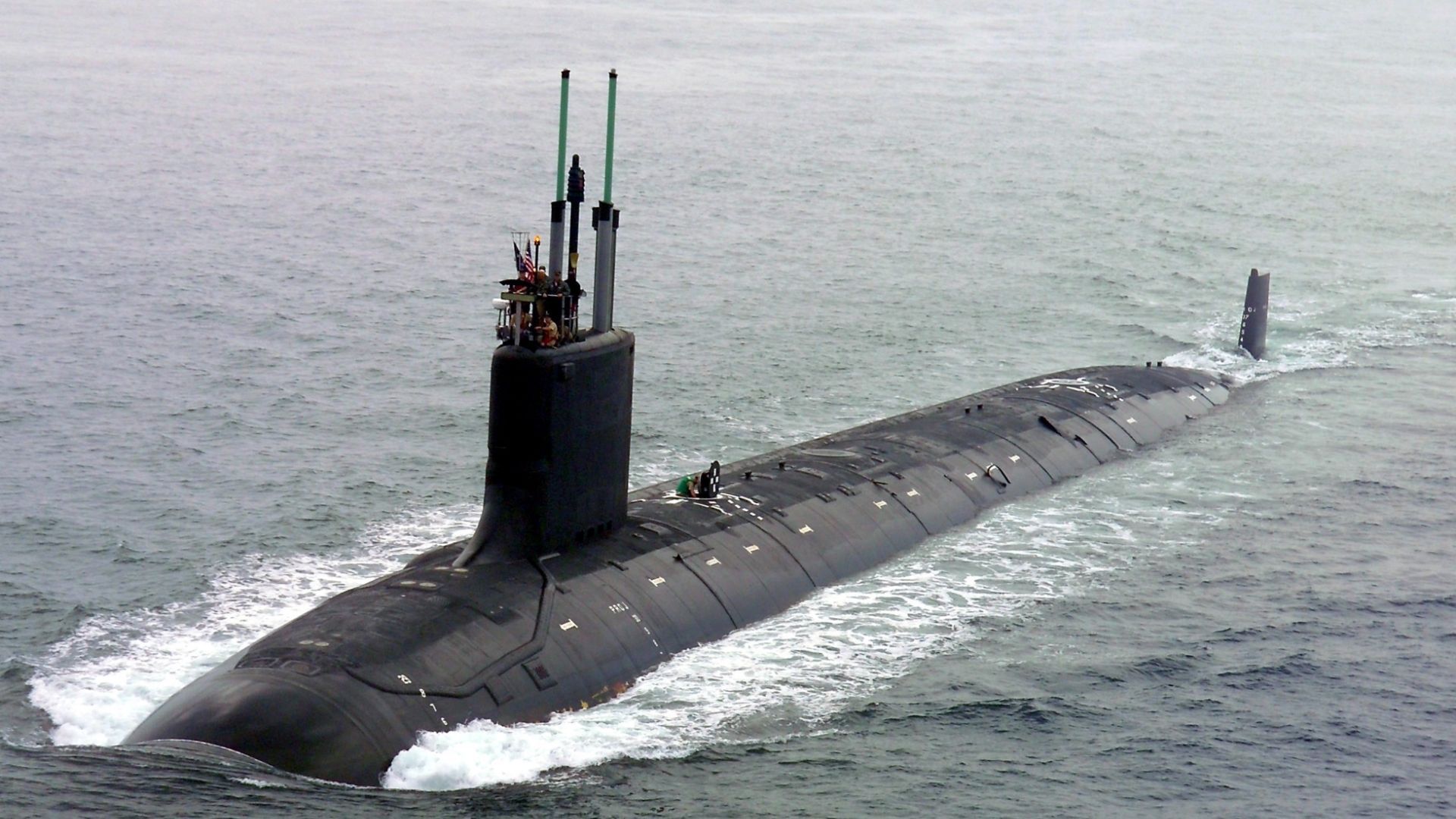
In five years, China has introduced seven new submarine classes into its fleet. Russia has launched only one — the Khabarovsk, whose construction lasted more than eleven years. The United States has limited itself to new units of the existing Virginia class, without introducing a new design.
Des technologies sans équivalent connu
China is also advancing on fronts where no other country is known to be pursuing. It is developing very large autonomous underwater vehicles — the XXLUUV — comparable in size to traditional crewed submarines. No other country publicly builds underwater drones of this scale.
It is also working on nuclear anaerobic propulsion for its conventional submarines, allowing non-nuclear submarines to remain submerged much longer thanks to a small onboard nuclear reactor — an unprecedented hybrid approach.
Three yards, a rapidly rising capacity
For years, the only Chinese shipyard capable of building nuclear submarines was Huludao. Now, two other yards — Wuchang in Wuhan and the JN yard in Shanghai — are also constructing nuclear submarines. This spread of industrial capacity is expected to push China’s nuclear production to about six units per year according to some estimates, versus about two on average in the United States.
China also builds submarines for export, such as the four Hangor-class units delivered to Pakistan in a joint production effort — a model that other countries might adopt to develop their own naval industries.
