
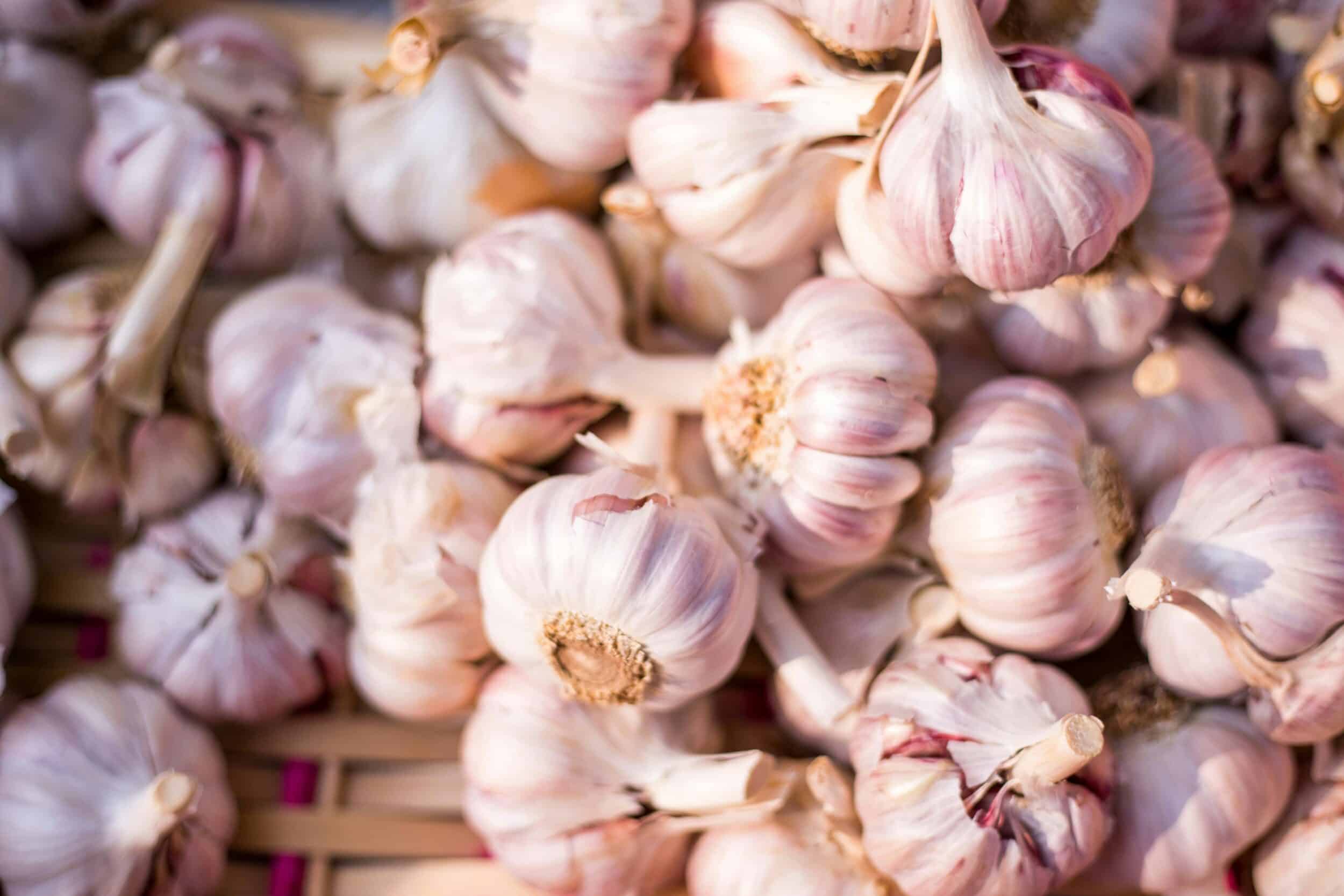
What if one of humanity’s oldest remedies is about to shake the foundations of modern dentistry? That is the question raised by a new systematic review conducted by researchers at the University of Sharjah. Their analysis of several clinical and preclinical studies suggests that garlic extract could, under certain conditions, rival chlorhexidine, the most prescribed antiseptic in the world for fighting oral infections.
Garlic extract gains traction in clinical research
Chlorhexidine has long been regarded as the gold standard among antimicrobial mouthwashes. Effective against a broad spectrum of bacteria, it is nevertheless associated with drawbacks, including altered taste and dental staining. It is precisely this reality that drives scientists to explore natural alternatives. Garlic, rich in allicin and renowned for its antimicrobial activity, has emerged as a credible candidate.
In the systematic review published in the Journal of Herbal Medicine, the researchers applied the PRISMA 2020 criteria and the PICO framework to rigorously assess the available studies. Of hundreds of identified articles, only five met the methodological requirements.
Despite their small number, these studies converge on one point: at high concentrations, garlic extract demonstrates a notable capacity to reduce the bacterial load in the mouth. Some studies even report a longer-lasting effect than chlorhexidine. Nevertheless, important limitations remain, including variability in protocols and a small number of participants.
These findings remind us that garlic cannot yet claim to replace conventional antiseptics, but its performance justifies scientifically grounded interest.
Between therapeutic promise and usage constraints
Comparisons between garlic and chlorhexidine reveal a duel more balanced than one might imagine. When the garlic extract concentration is sufficiently high, its antimicrobial properties appear to rival those of chlorhexidine in reducing bacteria involved in cavities or gum diseases. Yet this potential efficacy comes with practical obstacles. Participants in the studies often report discomfort when using garlic mouthwash: a burning sensation, uneasiness, and, of course, the persistent odor characteristic of the bulb. Minor side effects, but they can limit patient adherence.
Conversely, chlorhexidine, though more stable and easier to use, is not free from criticism. Its long-term use has raised concerns about a possible contribution to antimicrobial resistance. Moreover, its aesthetic side effects push some professionals to seek complementary solutions. It is precisely within this space of doubt that garlic finds a place: not as an immediate substitute, but as a promising avenue to explore to broaden the therapeutic toolkit.
And the Breath, Then?
It’s a natural reaction: the idea of using garlic as a mouthwash immediately raises concerns about bad breath. Yet the mechanism isn’t so simple. The lingering garlic odor primarily stems from sulfur-containing metabolites absorbed during ingestion, which then pass into the bloodstream and are excreted through the lungs.
In the case of a mouthwash, the garlic extract is not swallowed; exposure is local and brief. This does not completely eliminate the odor, since allicin and certain aromatic compounds are highly volatile, but the intensity and duration are markedly reduced compared with eating raw garlic.
The studies cited in the systematic review actually report more of a transient discomfort (odor, burning sensation), not a persistent halitosis. This point is important: it refers to immediate discomfort, not a lasting effect comparable to post-meal breath.
Why is garlic attracting so much interest from researchers today?
Garlic is no stranger to biomedical research. Its active compound, allicin, has been studied for decades. It has demonstrated antimicrobial properties against a broad range of bacteria, fungi, and even some viruses. In dentistry, it has already been tested to disinfect dentin tubules, treat infections related to implants, or as an agent in root canal procedures. This potential had remained on the margins of major clinical guidelines, due to a lack of standardized studies.
It is this lack of standardization that the new systematic review highlights: the majority of existing work features methodologies that are too divergent to allow definitive conclusions. The authors therefore call for more robust, long-term clinical trials.
Meanwhile, the message remains measured: garlic could become a credible alternative in certain contexts, but it cannot yet claim to supplant established antiseptics. This caution does not diminish the scientific interest in the topic, which reflects a growing enthusiasm for natural solutions capable of complementing, and perhaps someday strengthening, oral health strategies.
