
On August 4, 1999, the Jospin government formally shelved the Chambonchard dam project in Creuse. In total, EPALA had spent 93 million francs on the project, including 31.8 million francs for land acquisitions. Not a single spade of earth was ever turned behind a concrete wall.
The dam was designed to strengthen the Cher’s low-water level and to provide Montluçon with a water supply, with its flood-control role remaining minor. It was conceived to address summer drought, not to combat floods.
The dam never came to fruition.
- The Chambonchard dam was canceled in 1999 after twenty years of political and financial debate
- The State and its partners spent 93 million francs acquiring lands that were never flooded
- The once-ghost village eventually revived after the state resold the houses it had purchased
A dam conceived to fight drought, not floods
The Public Establishment for the Development of the Loire and Its Tributaries (EPALA) was created in 1983 to carry this storage project on the Cher. Chambonchard was to provide storage capacity of 125 million m³, intended for drinking water, industry, agriculture, and flood mitigation. An initial cancellation occurred in 1991 under the Cresson government, followed by a reduction of the capacity to 50 million m³ from a potential 80 or 125 million. The file stretched on, was trimmed back, and revisited for nearly twenty years.
The budget for the project with a capacity of 80 million m³ was estimated at 600 million francs in 1994, before being reduced to 500 million for the version limited to 50 million m³. Financing was to be provided as follows: 70 million francs by the State, 190 million by the Loire-Bretagne Water Agency, and 340 million by EPALA, i.e., by the basin authorities. Three players, three budgets, one project never started.
For the mayor of Chambonchard at the time, the waiting weighed heavily on the entire commune. He pressed the Minister of the Environment for a clear answer about what he described as a “stricken” commune, stuck for decades between promises and uncertainties.
Twenty residents expropriated, a ghost village
In the 1990s, about twenty residents were expropriated.
Expropriations began, and residents ceded their houses to leave. The village emptied out, house by house, farm after farm. Chambonchard became a ghost village. Figures vary, however: a question asked in the National Assembly cited lands acquired for 53 million francs, against 31.8 million according to other EPALA tallies.
On the ground, the political climate shifted abruptly. The dissolution of the National Assembly led to a change of majority, and the new Minister of the Environment decided to review all cases. During a site visit, she stated outright: “the dam still raises many questions and the region’s development does not pass through it.”
The final tally, and a valley that rises again
On August 4, 1999, Lionel Jospin announced the official abandonment of the project. In November of the same year, in the absence of State participation, the Loire-Bretagne Water Agency likewise canceled its financing of 190 million francs.
The decision was confirmed by Dominique Voynet in 2000, followed by Roselyne Bachelot in 2002.
The affair did not end there. The Loire Public Establishment, successor to EPALA, pursued the State in court to seek compensation for the funds expended. The Nantes Administrative Court of Appeal ultimately ordered the State to pay nearly seven million euros to the Loire Public Establishment. In parallel, the alternative water-supply solution for Montluçon would cost around 30 million euros, largely tied to a new wastewater treatment plant.
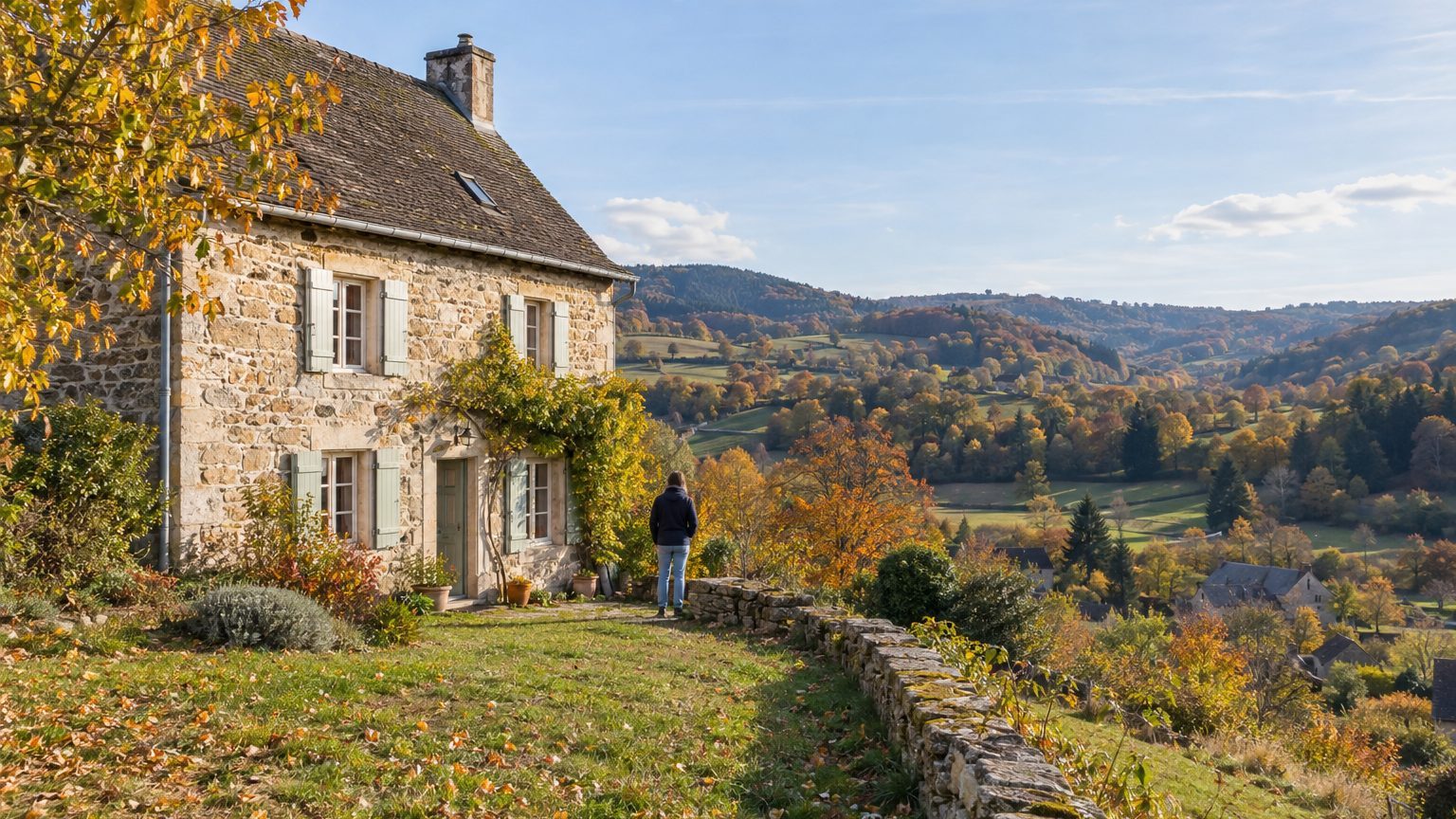
The village, however, did eventually come back to life. The State ceded the houses it had bought to the Departmental Council of Creuse, which restored them before selling them to new residents. A Belgian, Filip Claes, who settled there, embodies the unlikely turnaround of a town once believed doomed to vanish beneath the water.
Yet the tale carries a sting: according to a question posed to the Senate in 2006, only part of the lands were returned to the Department of Creuse for resale to individuals, while lands on the Allier side remained the property of the public establishment. Twenty-five years after the project was abandoned, a portion of the Cher valley still belongs to the State, for a dam that will never exist.
Sources: lemoniteur.fr | senat.fr | assemblee-nationale.fr
