
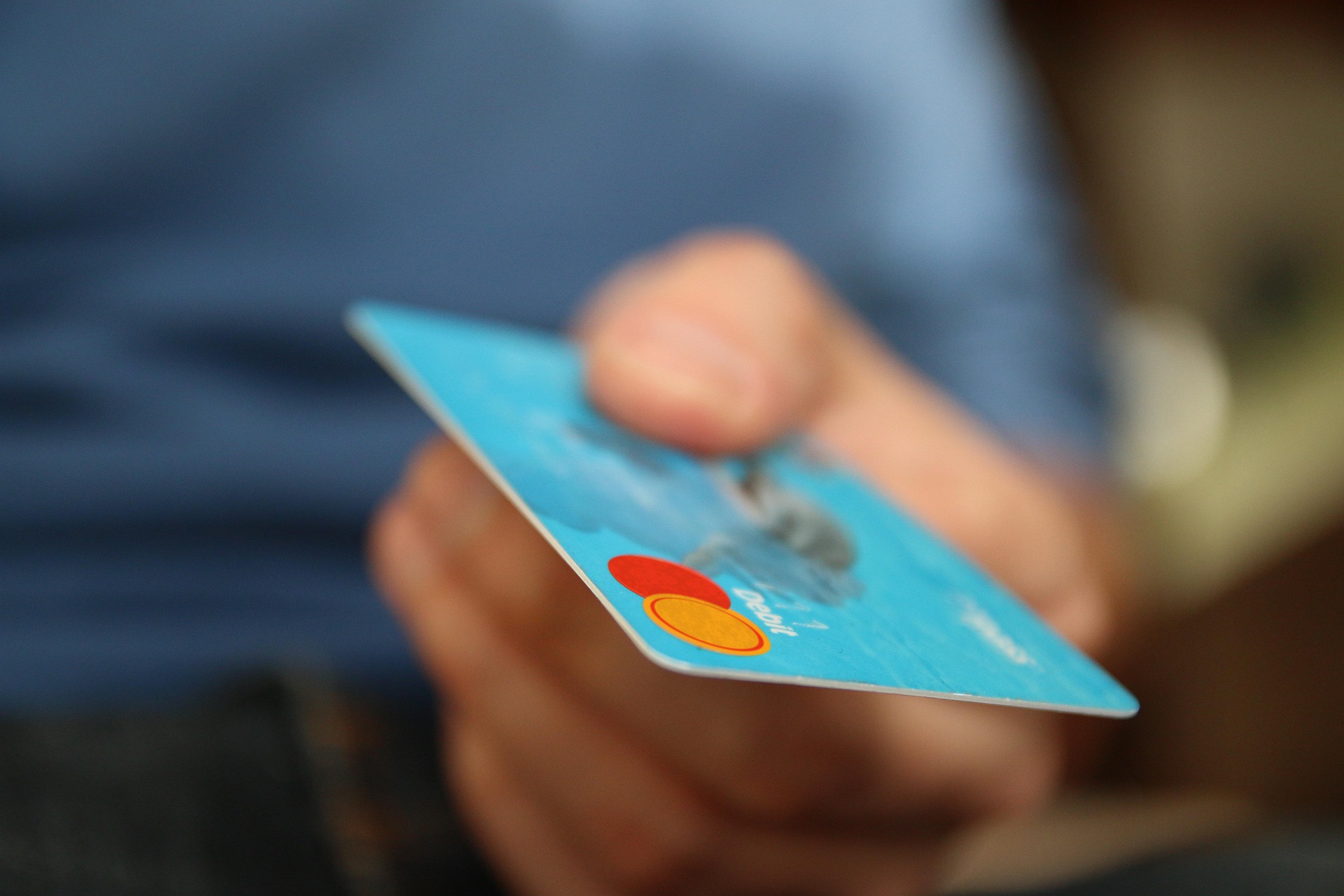
In fact, there is no university-level scientific study entirely devoted to the mechanical cutting of bank cards, and it is advisable not to adopt this bad habit. Some facts relating to battery chemistry and materials science must be taken with the utmost seriousness. What should one really know about the subject?
Is there a real health danger?
Since the democratization of the bank card, millions of people have gradually developed the habit of destroying this object when its expiry date passes. Often, this involves cutting the card with a pair of scissors. This action should be avoided, a recommendation especially for new-generation cards, notably those featuring a dynamic cryptogram.
As part of her doctoral thesis dating from 2020, the ingenious French researcher Claire Deilhes detailed the precise structure of this type of card. She extensively discussed the integration of lithium micro-batteries less than 0.5 mm thick, active electrochemical cells whose purpose includes powering the e-paper display of the dynamic cryptogram. But are there real scientific arguments justifying fears about cutting bank cards?
In fact, the mechanical shearing of lithium-ion cells can trigger thermal runaway and an instantaneous chemical short circuit. Yet the ultimate danger resides in the release of hydrogen fluoride, a highly dangerous chemical compound. Upon contact with the moisture of the eyes, skin, or respiratory tract, this gas turns into hydrofluoric acid, a highly toxic and corrosive substance.
An impact on sorting and recovery of precious metals
Beyond health risks, cutting bank cards also raises environmental concerns. Given that the object contains an e-paper display, an NFC antenna, and a lithium micro-battery, it is classified as Waste Electrical and Electronic Equipment (WEEE), just like smartphones, tablets, and other similar devices.
Concretely, the problem relates to sorting and the recovery of precious metals. It should be noted that the chips and other circuits in the cards contain materials such as gold, palladium, copper, and silver. However, if the card is cut into small pieces, these materials are broken into fragments. They thus pass through the gaps of sorting at WEEE treatment centers. They can no longer be valorized as they end up incinerated or buried, representing both a waste of resources and easily avoidable pollution. The issue of separating plastic from other materials is also very important. This is why recycling streams require collecting whole cards.
Finally, it should be noted that the historic fear of someone stealing their numbers by throwing away the entire card no longer has technical support. According to security experts, the card is technically dead as soon as it is expired or deactivated in the bank’s system. Let us also mention that strong authentication protocols—especially on smartphones—make fraud much more difficult to carry out.
