
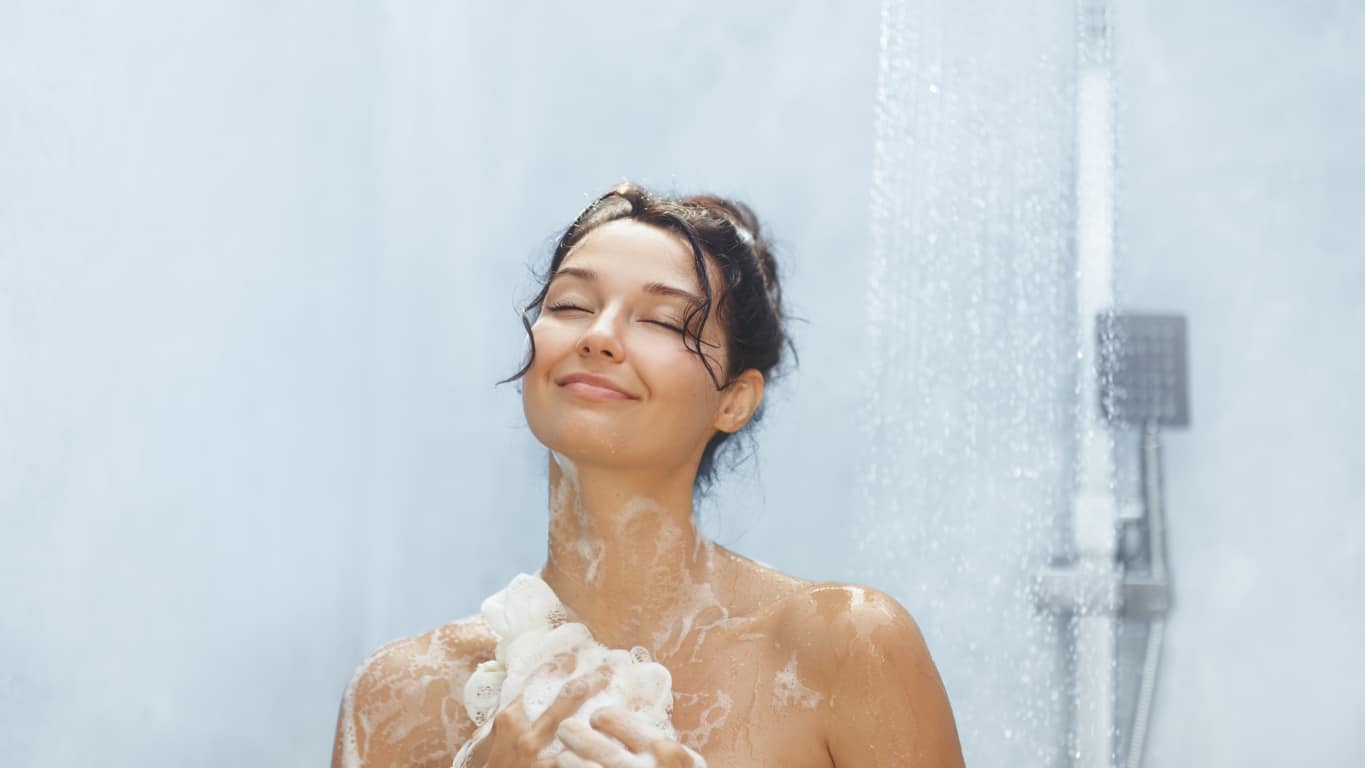
Every morning, in the dim light of a bathroom, the ritual is the same: the shower, a source of waking up or a privileged moment to wrap oneself in warmth before tackling the day. But behind this gesture, seemingly banal and universal, lies a real societal question: are we pampering our skin, or on the contrary, making it more fragile? A new French study is shaking up our deeply rooted habits and questions the reality of our physiological needs. Between cleanliness, social norms and well-being, do we really need to keep showering so often? Let yourself be surprised by what the survey reveals…
The French, shower champions? What the numbers really say
An overview of practices: how many showers per week in France
Impossible to escape the reputation that sticks to the skin of the French when it comes to hygiene. Yet the latest figures are clear: in France, in 2026, the average hovers around 7 showers per week, i.e., one shower per day for the majority of the adult population. For many, this morning or evening habit is seen as essential, far more than a simple cleansing routine.
The cultural and social reasons behind the high frequency
The relationship to cleanliness in France is strongly influenced by social norms and habits passed down from generation to generation. Washing daily has become synonymous with self-respect and respect for others, a marker of civility that goes well beyond odor prevention or disease prevention. Public campaigns, widespread access to running water, and the valorization of body fragrance have also shaped a hygiene model where the daily shower has become the unquestioned norm.
Daily shower: a routine or an obsession?
The influence of cleanliness campaigns and social norms
Since the last century, personal hygiene has been at the heart of public health policies. Posters, TV spots, school messages… Everything contributes to associating the shower with disease prevention and social belonging. Result: the vast majority of French people admit they cannot do without it, sometimes even twice a day after a sport session or a busy summer day.
The weight of others’ gaze and the anxiety of body odor
The fear of “smelling” remains powerful, reinforced by advertising and the rise of deodorants and perfumes. Far from merely common sense, the daily shower becomes a kind of social ritual, sometimes linked to a diffuse anxiety: the fear of being judged by colleagues, friends or even loved ones. For many, not showering risks social exclusion or embarrassment.
When the skin cries out “stop”: signs of harm from excessive hygiene
Dehydration, irritations and disruption of the skin microbiome
Taking care of cleanliness, yes. But are we aware that by multiplying showers, we also risk striking at our greatest protective barrier: the skin? Dermatologists have noted in recent years an uptick in complaints of dry skin, itching or redness. The fault lies with too-frequent washing, harsh soaps and water that is too hot, which degrade the natural hydrolipidic film and disturb the skin microbiome, this microscopic ecosystem essential to skin health.
What dermatologists observe in consultations
In clinics, practitioners see more and more patients presenting signs of skin damage related to excessive hygiene: irritations, dermatitis, eczema… Often, it is the reflex of daily, or even twice-daily, showers that is implicated. Acknowledgment is needed to preserve the fragile balance and the protective function of the epidermis.
Dermatologists’ advice on the ideal frequency
Do we really have to shower every day?
The major finding of the new study is that daily showering is not an obligation for most healthy skin. In reality, dermatologists often recommend limiting full showers to two or three times per week, complemented by simple targeted cleansing (hands, armpits, intimate areas, feet) on the other days. This alternation helps preserve the skin’s natural film without sacrificing comfort or cleanliness.
Variables to consider: age, skin type, physical activity
Of course, there is no one-size-fits-all rule. Age (children, the elderly), skin type (dry, oily, atopic), intensity of physical activity or climate are all parameters that should guide shower frequency. It’s up to each person to observe their own needs, avoiding the automatism dictated by society rather than the actual state of their skin.
Redefining the shower: tips to respect your skin daily
Choose suitable products and gentle gestures
Caring for your skin begins with selecting your cleansers. Opt for sulfate-free cleansers, with a higher lipid content or enriched with vegetable oils to limit drying. Favor a gentle application, without scrubbing vigorously, to protect the epidermis in the long term. One tip: lather the product in your hands before applying it, rather than applying it directly to the body.
Temperature and duration: traps to avoid
Often underestimated, excessive heat and long shower durations promote dehydration. Prefer warm water (around 37 °C) and do not exceed 5 to 10 minutes under the stream. Finally, gentle drying, by patting rather than rubbing, helps protect the natural skin barrier.
Towards a new hygiene? Between ecological responsibility, health and well-being
Showering differently: partial cleansing, eco-friendly products, new rituals
In response to environmental challenges and skin needs, more and more French people are adopting a revised sense of hygiene. Partial cleansing appeals for its speed and effectiveness, while the growing use of biodegradable or zero-waste products is taking hold in bathrooms. New rituals are emerging: floral water mists, dry massages, occasional baths… as many innovative alternatives to combine cleanliness, ecology and pleasure.
Rethinking our relationship with the body and cleanliness
Changing habits also means questioning our intimate relationship with cleanliness, self-image and daily well-being. Learning to listen to your skin and granting yourself moments of gentleness is choosing a routine better suited to our deeper needs, respectful of our health and the environment.
Keep the essential in mind: taking care of your skin, choosing your pace
The key takeaways from the study
In light of the latest conclusions, it is clear that the daily shower is not the universal cure-all. Preserving your skin means respecting its rhythm, adapting your routine to activities and skin type, and prioritizing the quality of actions over quantity. Far from diktats, a reasoned hygiene protects both our skin capital and our planet.
Practical tips to adjust your routine
Here’s what to monitor: irritations, tautness, and dryness are warning signs not to be ignored. Start by spacing full showers, limit water temperature, choose gentle products, and dare to rediscover partial cleansing. Each skin is unique: each person should find the right balance, for hygiene with kindness.
Rethinking our automatisms around the shower gives us the chance to pamper our skin, respect our real needs, and, ultimately, live in harmony with ourselves and the environment. And if, tomorrow, taking care of oneself began by slowing down a little under the shower?
