
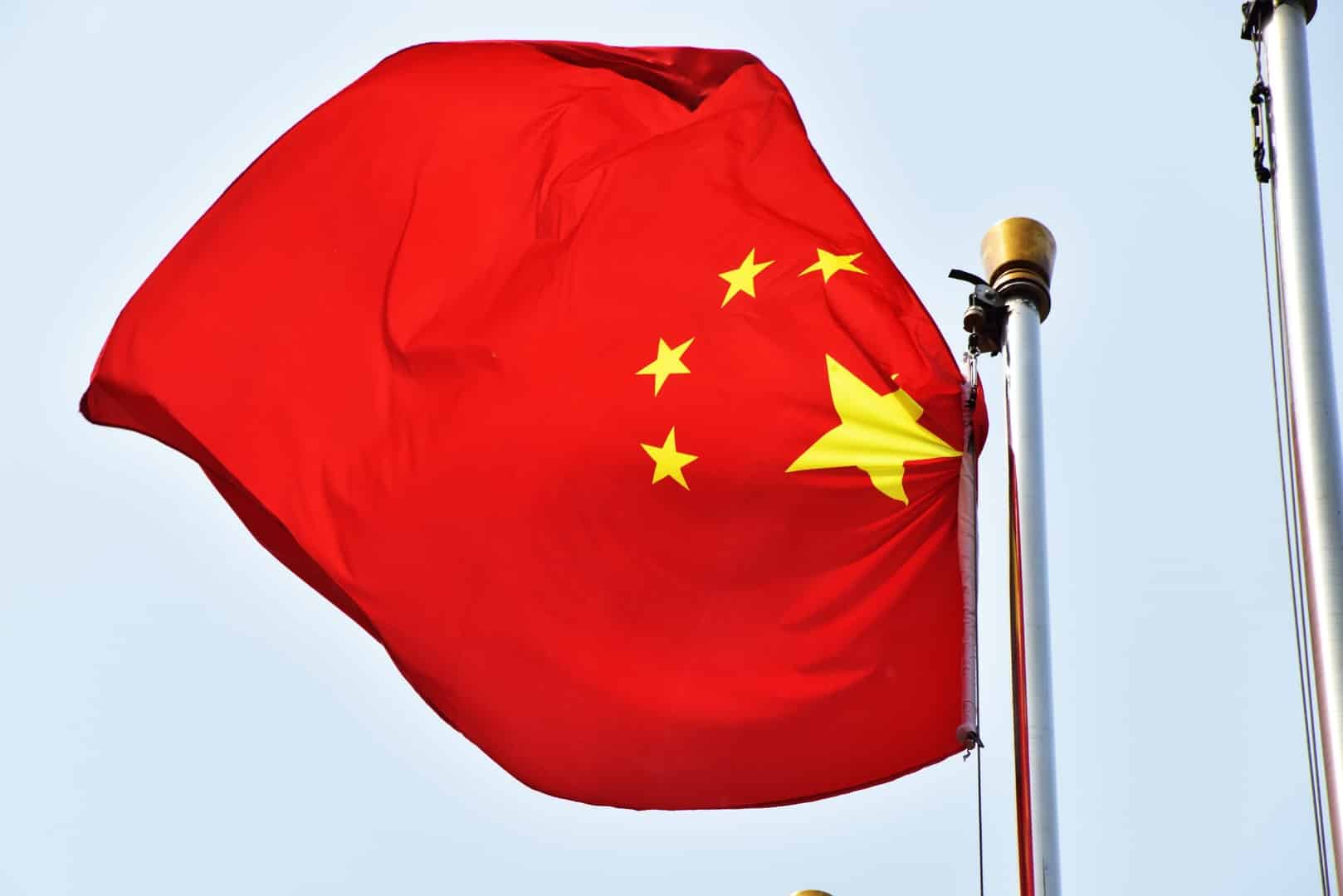
People often say that the nerve of war is money. In the digital age, it would be more accurate to speak of metals with unpronounceable names like neodymium, dysprosium, or samarium. These discreet elements, which most of us would struggle to recognize, are hidden in our smartphones, our electric cars, and even in the most sophisticated fighter jets. And behind these chemical treasures stands a pivotal player: China. Beijing has patiently woven an industrial web that grants it a level of leverage few nations anticipated. As trade tensions grow worldwide, this geological and technological lock could well become one of the most formidable weapons of the 21st century. Let us explore how a simple grip on rare metals can reverberate through global electronics and the defense industry.
The Chinese monopoly: a dominance built on decades of strategy
Contrary to what their name might imply, rare earths are not all that rare in the Earth’s crust. The challenge isn’t finding them but extracting them and, above all, refining them—a process that is complex, polluting, and costly. This is precisely where China played a masterful game of chess. While the West offshored its dirtiest activities, Beijing shouldered the environmental burden and developed colossal industrial know-how.
The result of this strategic patience is striking. Today, China controls about 60 % of global rare-earth extraction, but especially nearly 90 % of refining. In other words, even metals mined elsewhere often end up passing through Chinese factories to be transformed into usable material. This near-monopoly did not form by accident: it is the fruit of a long-term vision, almost countering the immediate profitability logic that dominated elsewhere.
These invisible metals that power our screens and our militaries
Imagine these metals as the spices in a vast industrial kitchen: present in minuscule quantities, yet absolutely indispensable to give a dish its full flavor. Without them, there would be no vibration motor in your phone, no high-definition screen, and no quiet engine in electric cars. The permanent magnets made from neodymium are, in particular, true pillars of our modern world.
But the matter takes a far more sensitive turn once we leave consumer electronics and enter the military domain. A fighter jet, a missile guidance system, a submarine, or even certain radars depend directly on these critical elements. It is estimated that a single next-generation fighter can house several hundred kilograms of rare earths. In short, whoever controls the faucet of these metals also indirectly holds a portion of the destinies of opposing armed forces.
Export licenses, a silent weapon in the trade war
In response to this reality, Beijing recently pulled a formidable card from its sleeve: the introduction of export licenses on several critical items. On paper, this is merely a bureaucratic measure. In practice, it is an exceptionally effective lever of pressure. By slowing, screening, or conditioning access to these metals, China can quietly choke entire production chains without ever drawing a weapon.
This kind of maneuver has the advantage of being deniable and adaptable. One administrative delay here, one license denial there, and suddenly a recalcitrant trading partner is reminded who holds the keys to the vault. This silent weapon fits perfectly within today’s economic power dynamics, where dependence on raw materials has become a top geopolitical bargaining chip.
Facing Beijing’s chokehold, the West seeks a countermeasure
Awakened by this wake-up call, Western countries are now trying to loosen the grip. Several avenues are being explored in parallel: reopening old abandoned mines, developing new refining capacities on European or North American soil, and above all investing in recycling of metals already present in our used devices. What some call the “urban mine” could become a valuable resource for reducing dependence.
Yet catching up on decades of head start does not happen overnight. Building a refining plant takes years, costs billions, and often faces strong environmental pushback. In the meantime, the West remains, whether it likes it or not, dependent on Beijing’s goodwill, with all the vulnerabilities that entails.
This quiet chokehold on rare earths reminds us of a truth sometimes forgotten: behind our brightest technologies lie earthly dependencies. China understood early on that the power of the future would also hinge on underground resources and refining plants. The open question remains: will Western powers be able to translate this late realization into genuine strategic independence, or will they continue to operate with the lever that Beijing wields with remarkable subtlety?
