
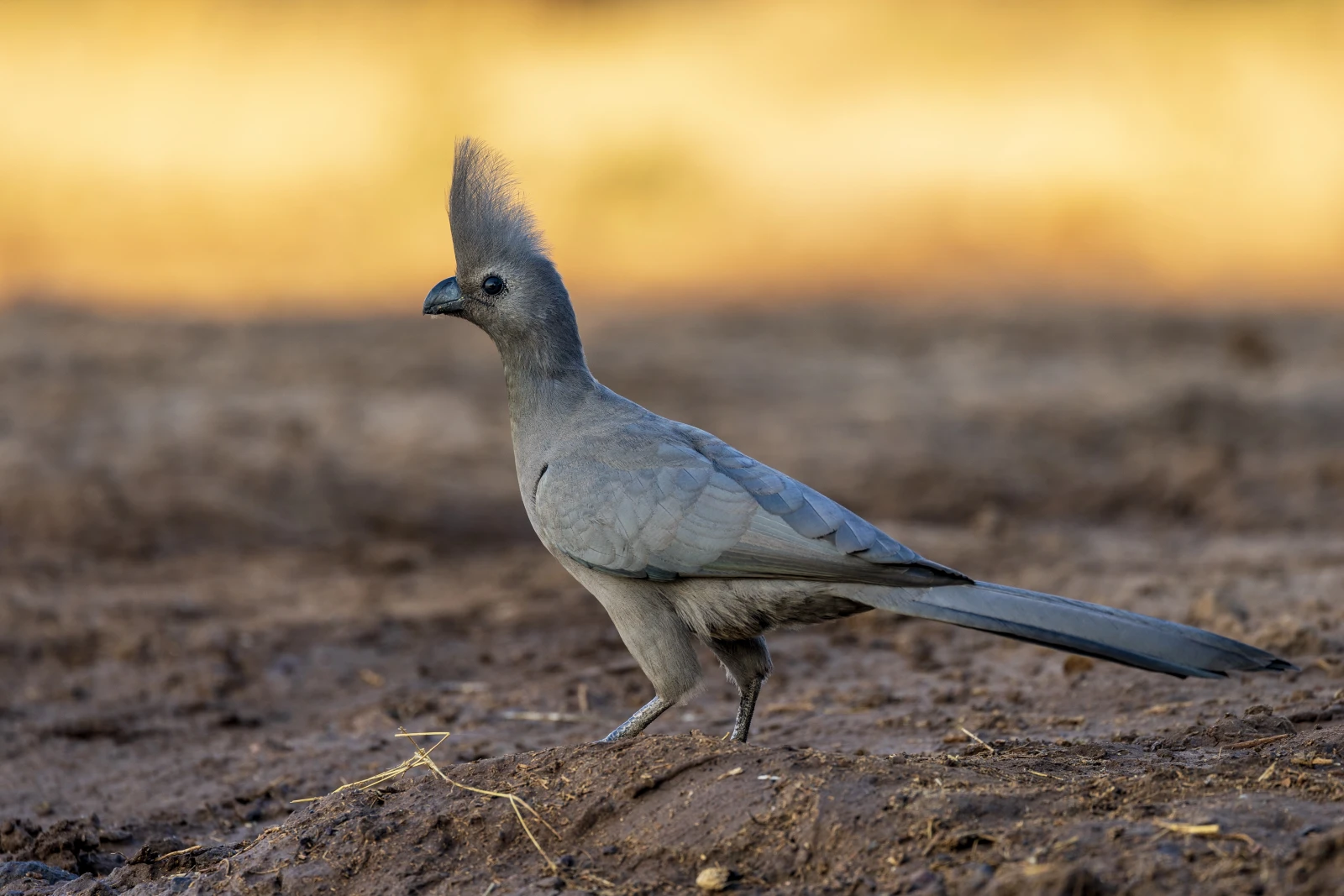
During the Cretaceous-Paleogene extinction that notably wiped out the dinosaurs, prehistoric birds managed to endure. Largely, this resilience stems from the emergence of insulating feathers in certain species. This adaptation allowed these avians to weather the icy cold that followed the Chicxulub asteroid impact.
A Harsh Culling Among Prehistoric Birds
Sixty-six million years ago, a giant asteroid about ten kilometers in diameter crashed into the Yucatán Peninsula (present-day Mexico). Creating the Chicxulub crater, the impact hurled billions of tons of dust, sulfur, and soot into the atmosphere, blocking sunlight for at least three years. This produced an impact winter that halted plant photosynthesis and during which temperatures hovered around -10 °C. Published in Current Biology on September 10, 2026, a study revealed the secret of how the ancestors of modern birds survived this mass extinction. It is worth noting that after the asteroid’s impact, no fewer than 75% of species disappeared on a global scale. Thus, natural selection carried out a ruthless sorting among prehistoric birds.
The paleontologists, biologists, and other American geologists behind these works highlighted a combination of anatomical adaptations, efficient molt strategies and a flexible diet among these birds. In their study, researchers examined feathers fossilized in a coprolite — a dinosaur excrement — discovered in Montana (United States) in 2016. A few years later, a study conducted with state-of-the-art imaging tools revealed that the coprolite contained numerous feathers and fragments of leg bones. These artefacts belonged to a group of flightless marine birds known as hesperornithiforms, which would have resembled the loons or grebes of today.
“In line with this identification, the feather shows a low structural index and a high density of barbules, adaptations that reduce permeability, similar to what is seen in modern aquatic birds.”, the study notes.
The Necessity of Highly Insulating Plumage
According to the authors, the architecture of modern feathers already existed in certain species before the crisis triggered by the impact. Yet, many primitive birds possessed body feathers that provided insufficient thermal insulation to withstand the cold that followed the catastrophe. However, the lineages that survived had highly insulating plumage capable of maintaining body heat, a crucial factor for enduring the freezing conditions.
For scientists, the mode of renewing feathers played a decisive role in the survival of the species. It is true that prehistoric birds that shed all their feathers at once would have found themselves naked, unable to fly, and vulnerable to frost. The ancestors of modern birds had the fortune to benefit from a sequential molt — therefore gradual — allowing them to retain their ability to fly and their thermal insulation during the process.
Finally, the anatomical adaptations and molt strategies were accompanied by an opportunistic dietary regime. The absence of teeth in the direct ancestors of modern birds emerged as a major evolutionary advantage, particularly with the collapse of vegetation. In other words, only the birds equipped with a sturdy beak could feed on seeds found in the soil. These birds were able to survive by leveraging these abundant food reserves, even as the rest of the food chain collapsed around them.
