
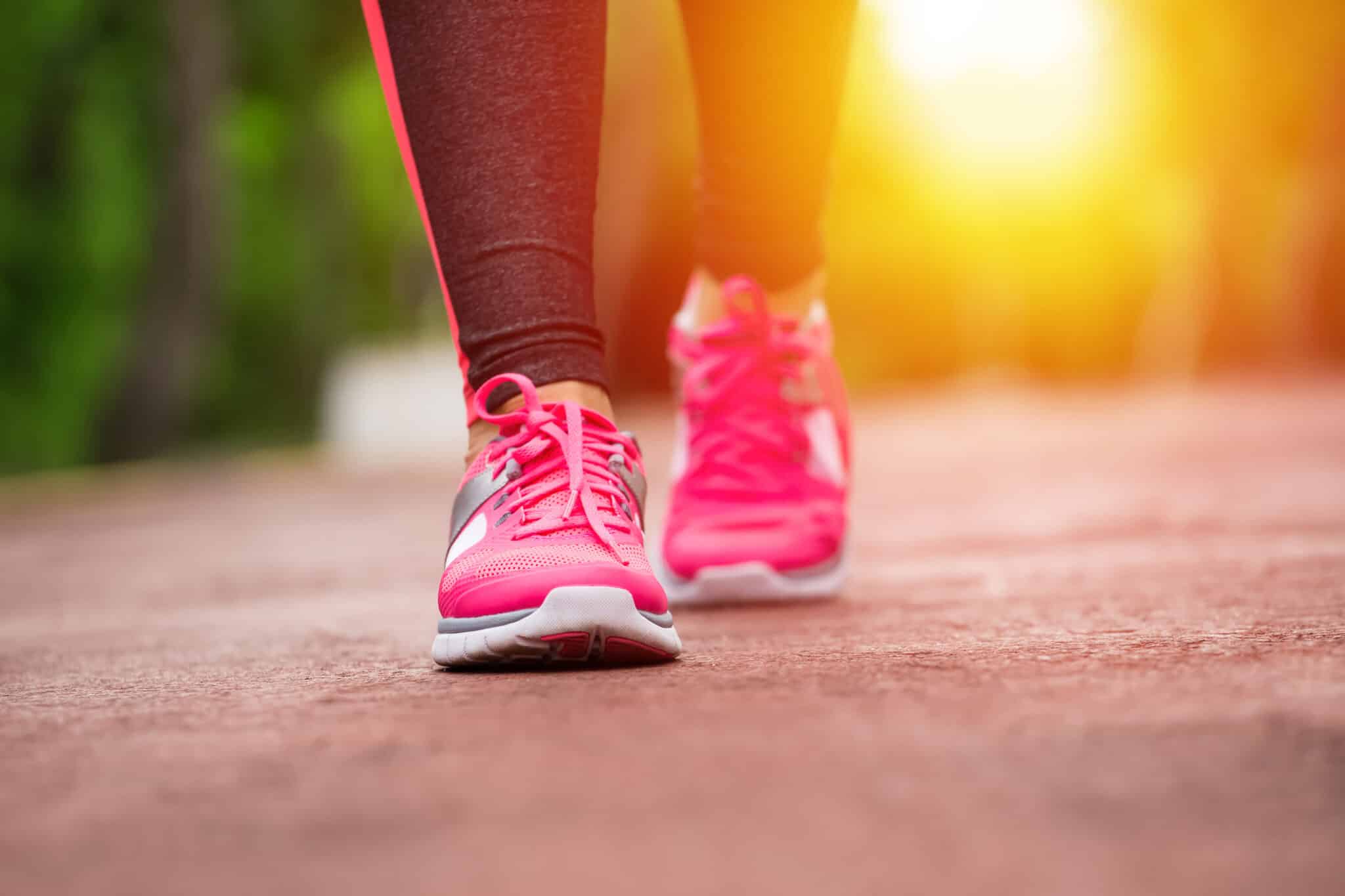
Walking is often regarded as the most accessible form of physical activity: it requires no expensive equipment, no special skills, and yet its health benefits are widely documented. But in Japan, some endurance walkers use a method little known to the general public: the “Japanese walking.” This approach, based on a precise alternation of steps and breathing, promises to optimize the effort, reduce fatigue, and spare the joints during long hikes. Long transmitted within circles of experienced hikers, it is now beginning to captivate outdoor enthusiasts in Europe, intrigued by its promise: to walk longer, without getting exhausted.
An ancient technique that bets on regularity
Japanese walking is not an official discipline but a set of principles developed over time by long-distance walkers, notably pilgrims who traced sacred routes such as Kumano Kodō or Shikoku Henro. These multi-hundred-kilometer itineraries demanded long daily progress while conserving energy.
The core of the method rests on two key elements: rhythm regularity and synchronization with breathing. Unlike improvised walking, where speed and pace fluctuate naturally with slope or fatigue, Japanese walking encourages maintaining a stable cadence — typically between 100 and 120 steps per minute — while adapting the breathing. The most common pattern is to inhale over three steps and exhale over two, which promotes better oxygenation and reduces shortness of breath.
This regularity is not only beneficial for cardiovascular endurance: it also reduces the impact on the joints. By keeping a constant step and a measured stride, the knees and hips experience fewer abrupt load changes, which lowers the risk of microtraumas.
An asset for long distances and varied terrains
Advocates of Japanese walking emphasize its effectiveness on long hikes, sometimes exceeding 20 kilometers. A central point of the method is energy economy: rather than alternating fast bursts and recovery periods, the walker maintains a moderate yet continuous effort, thereby reducing overall energy expenditure.
This approach is particularly well suited to hilly terrain. Where many people speed up on downhill sections and struggle on ascents, Japanese walking suggests slowing slightly but without breaking rhythm on slopes. This helps avoid the abrupt fatigue that often leads to stopping, and thus sustains a more constant energy flow.
Some Japanese walkers also use weight distribution to lessen knee pressure: the torso is slightly leaning forward, the arms swing naturally, and the feet stay close to the ground. This biomechanics approach helps limit shocks and prevent joint pain, a common issue for regular hikers.
Finally, Japanese walking often includes planned micro-pauses. Rather than stopping for long periods after a big effort, practitioners take brief but regular breaks (30 to 60 seconds every 30 to 45 minutes). This helps relax the muscles, drink, and prevent cramps, all while preserving the momentum of progress.
Why this approach captivates biomechanics researchers
If Japanese walking attracts more and more practitioners, it also draws the attention of researchers in biomechanics and sports science. Studies on walking cadence show that maintaining a stable rhythm reduces the variability of load on the joints. This consistency lowers mechanical stress on the cartilage and could delay the onset of chronic pain such as osteoarthritis.
The synchronization of breathing with steps, too, has been analyzed: a breathing cycle adapted to the movement helps manage effort and avoid hyperventilation, often responsible for premature fatigue. Some Japanese studies also suggest that this type of walking fosters a meditative state, comparable to what is observed in disciplines like yoga or tai chi. This could enhance focus, reduce perceived effort, and encourage regular practice.
For athletes suffering from joint pain or undergoing rehabilitation, Japanese walking could become a gentle alternative to running. Moreover, it aligns well with current public health recommendations: engaging in moderate but regular physical activity to prevent cardiovascular disease, diabetes, and certain cancers.
How to adopt it into your own routine
To try Japanese walking, no special equipment is needed. A simple stopwatch or a cadence app can help you find your ideal pace (around 110 steps per minute for a beginner). Start with short distances, testing a regular breathing cycle — for example, three steps to inhale, two to exhale. Adjust according to your comfort and your breath.
It is recommended to keep a short, relaxed stride, avoid excessively lifting the knees, and focus on the fluidity of the movement. Micro-pauses can be planned every 30 to 45 minutes to drink and release muscle tension. On uneven trails, maintain the same cadence but slightly shorten the steps on climbs to preserve effort.
Gradually, this technique becomes automatic and enables you to cover greater distances without pain or breathlessness. It is a discreet approach, but incredibly effective for anyone looking to improve endurance while respecting their body.
