
The idea sounds like pure science fiction, yet it’s a useful stress test for how tightly Earth’s systems are knit together. If our only natural satellite vanished overnight, the planet would keep spinning, the Sun would still rise, and most people would make breakfast as usual. But across oceans, skies, and living things, the absence would whisper first, then shout.
Day one on a Moonless Earth
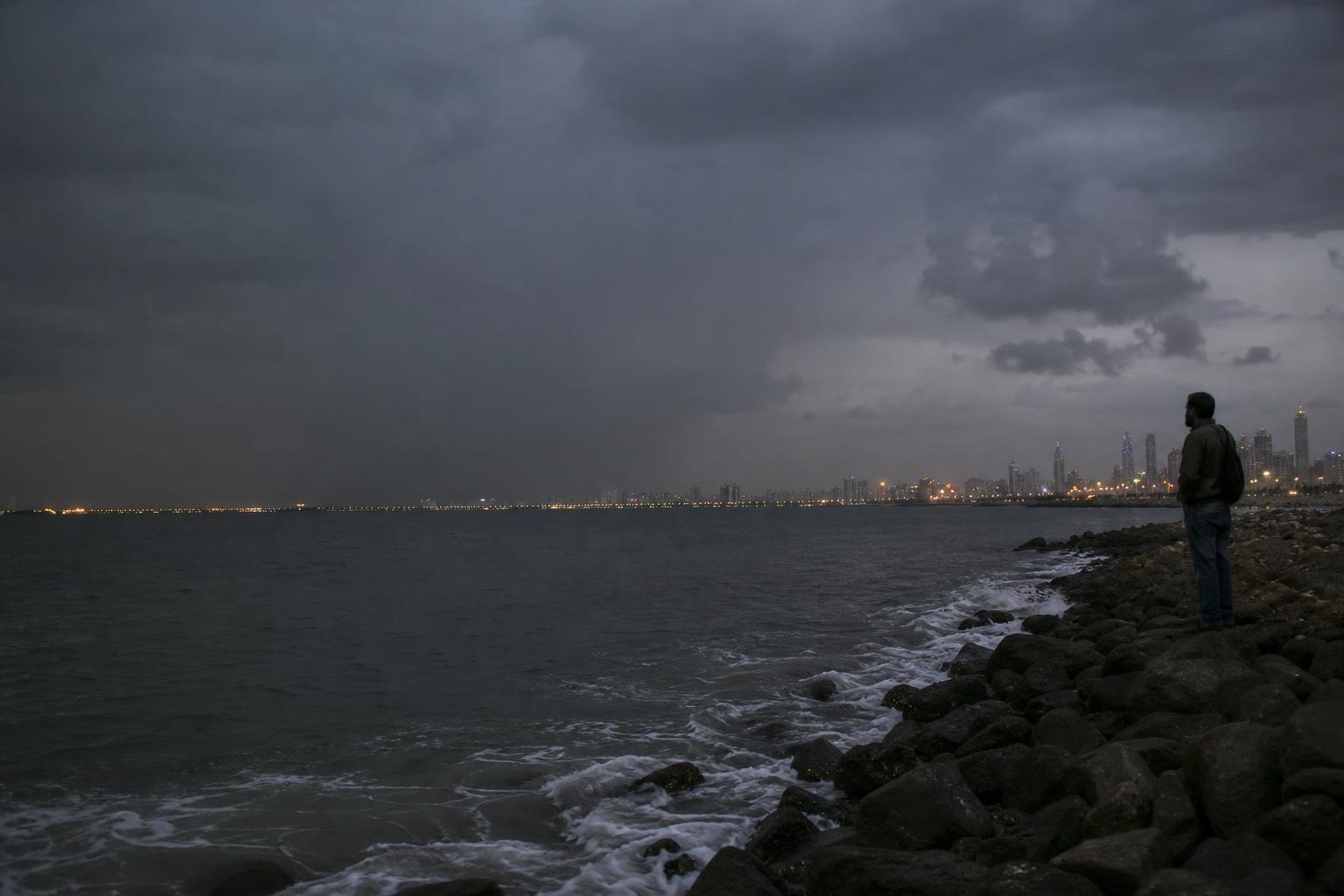
You wouldn’t hear a bang, but you’d notice the dark. Nights would become dramatically darker, with starlight suddenly dominant. “No, the sky wouldn’t fall, but it would feel newly, eerily empty,” say planetary scientists. Streetlights would still glow, yet remote landscapes would tip into deeper shadow.
- Coastal tides would shrink to the Sun’s weaker pull, dropping to roughly one-third to one-half of today’s range.
- The familiar spring–neap cycle would vanish, simplifying tidal rhythms.
- No more lunar eclipses or dazzling total solar eclipses.
- Wildlife that times behavior to moonlight would shift, forage, or hide differently.
What happens to the tides and coasts
The Moon drives the strongest ocean tides, and without it, coastal highs and lows would be far less dramatic. Many estuaries would see calmer currents, reducing the mixing that brings nutrients to surface waters. “Fisheries won’t collapse tomorrow, but the long, slow change in circulation will matter,” oceanographers often note. Navigation would get easier in a few shallow ports, while tidal power stations would become mostly quiet.
Nights get truly dark
A full Moon brightens the night by a colossal margin; losing it makes landscapes feel more primeval. Nocturnal predators that hunt by lunar light would find fewer opportunities, while prey might venture out more boldly. Migratory birds and insects that use the sky’s polarized glow or the Moon’s position could become less precise. Photographers and stargazers win, as the Milky Way becomes richer, and faint constellations turn crystalline.
Spin, tilt, and the long game
Earth’s daily spin wouldn’t suddenly change, but the slow braking from lunar tides would largely stop. Days would keep their current length, and only solar tides would very gradually sap rotational energy. The deeper story is Earth’s tilt. The Moon acts like a giant stabilizer, quickening our axial precession and keeping the tilt from wandering too wildly. Remove it, and over millions of years, Earth’s obliquity could swing by tens of degrees. That spells erratic seasons: gentle summers for eons followed by eras of scorching heat and brutal winters. “Climate stability is a team sport, and the Moon is a key player,” as dynamicists like to say.
Oceans, weather, and hidden mixers
Tidal churning helps ventilate the seas, stirring oxygen into deep layers and hauling nutrients toward light. With weaker tides, stratification could strengthen, expanding low-oxygen zones and reshaping plankton blooms. Regional weather might subtly shift, as ocean–atmosphere feedbacks respond to the quieter mixing. Expect no instant storm apocalypse, but do expect different baselines over decades.
Life’s calendars go missing
Countless species run on circalunar clocks. Corals that spawn on a specific lunar night, grunion that ride spring tides, and worms that rise on schedule would desynchronize. Some would retime to temperature or daylength, others would simply decline. Humans would feel it mostly in culture: no lunar festivals, no poetic phases, and months severed from their original meaning. “Take away the Moon and you erase a civilizational metronome,” cultural astronomers often remark.
Spaceflight, satellites, and quiet myths
Earth satellites would stay put; their orbits depend overwhelmingly on Earth’s own gravity. Operators might even welcome fewer third‑body perturbations. We’d lose a convenient target for gravity‑assist maneuvers, and every future eclipse chaser’s itinerary would go blank. As for quakes and volcanoes: lunar tides can nudge timing at the tiniest margins, but removing them doesn’t unleash global chaos. “No catastrophic cracking, no instant tsunami,” geophysicists have long stressed.
Psychology and the night mind
The Moon is a shared ritual, a sky‑anchor that orients mood and memory. Its sudden absence would feel like a missing tooth, small in function yet huge in presence. Art would pivot, languages would shift, and children would grow up under a cleaner, stranger dark. We would adapt, as humans do, but the sky would tell a different story.
Could this actually happen?
Nature doesn’t make worlds just vanish. There’s no known mechanism to whisk a 7.35×10^22‑kilogram body out of Earth’s neighborhood overnight. Collisions violent enough to remove it would also pulverize Earth, and slow orbital decay is not on the menu. The system is dynamically stable for the timescales we care about. So treat the scenario as a scientific mirror, revealing how one quiet companion steadies our planet.
“No, we wouldn’t die on Tuesday,” as one scientist quipped, “but by Wednesday the world would already feel different.” And across centuries, the difference would deepen—from the hush of gentler tides to the wild swing of future seasons.
