
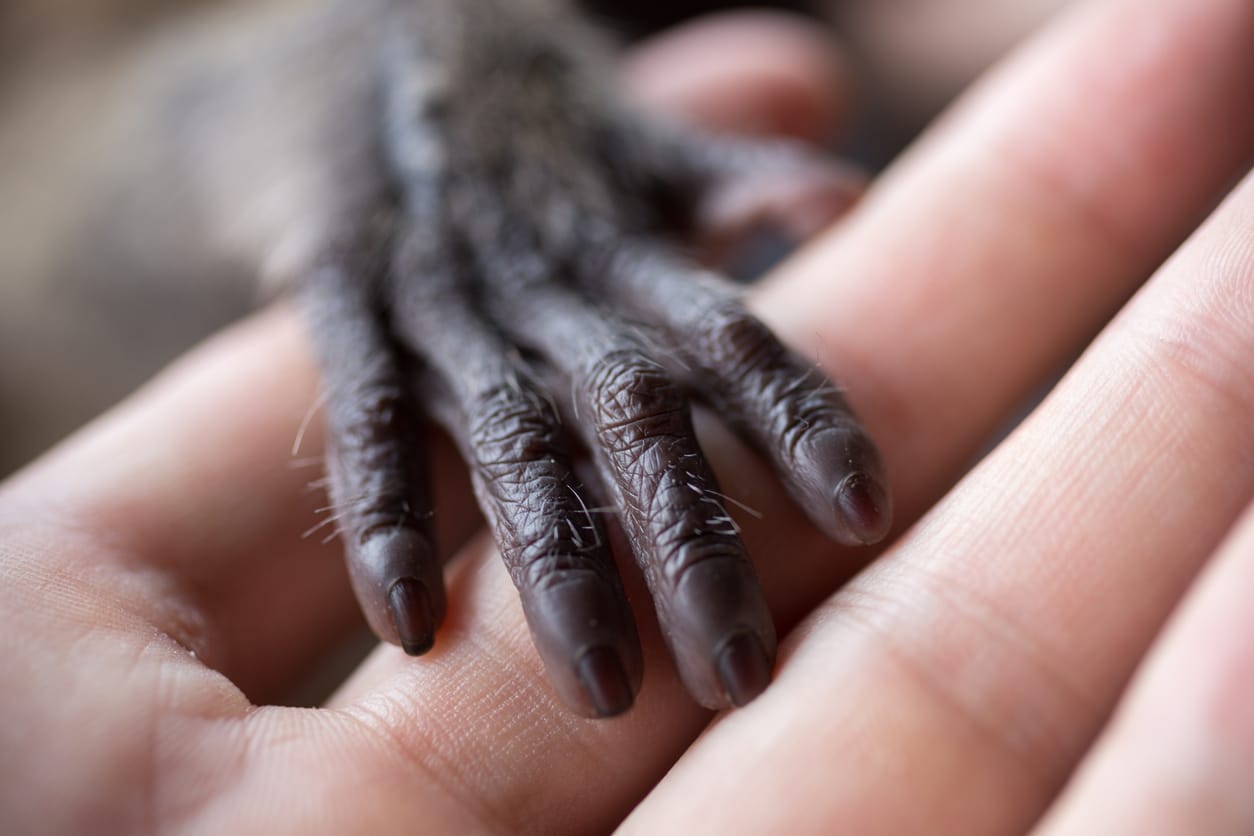
A recent study conducted by researchers at the Max Delbrück Center in Germany has highlighted surprising differences between human hearts and those of our closest non-human primate relatives. This research provides new perspectives on the evolution of our heart and could pave the way for novel approaches in treating heart diseases.
Humans and Other Primates: An Impressive Genomic Similarity, Yet Crucial Differences
Although humans share about 98 to 99 percent of their DNA with chimpanzees, the differences in our bodies are nonetheless substantial. The key to these variations lies in gene expression, i.e., how genes are turned on or off in our cells.
Imagine our DNA as a library. Within it, each gene is a book containing precise instructions for making proteins that play essential roles in the structure and function of every part of our body. Yet, just as a person chooses which books to read and when, our cells decide which genes to activate or silence at different times.
This regulation of gene expression is crucial. Indeed, even a small difference in how a gene is expressed can lead to significant physical changes. For instance, in humans, a gene responsible for skin color can be highly active, producing a certain amount of pigment. In contrast, in chimpanzees, that same gene might be less active and produce less pigment, resulting in a different skin color.
According to a study, the cardiac system is also involved. Research has already shown that, while human hearts and those of non-human primates share a similar overall structure, there are notable differences in the size, shape, and function of these hearts. We also know that humans are more prone to develop certain heart diseases relative to other primates. In the framework of these new works, researchers have identified differences in gene expression in human hearts compared with those of non-human primates that account for much of these disparities.
An Innovative Methodology
To reach these results, the research team employed advanced techniques in molecular biology. They analyzed cardiac tissue samples from a variety of species, including chimpanzees, macaques, humans, rats, and mice. Using cutting-edge technologies such as RNA sequencing and Ribo-seq (which analyzes ribosomes—the molecular machines that build proteins inside cells), the scientists could examine the RNA molecules present in these heart tissues. This enabled them to observe how gene expression differs across species.
The study’s findings revealed more than 1,000 species-specific genetic adaptations. Among these, there are 551 genes and 504 microproteins that are found exclusively in the human heart. For instance, some of these human genes show signs of dysregulation in diseases such as dilated cardiomyopathy, suggesting they may play a significant role in the development of cardiac problems.
Heart Evolution: Responses Tailored to Unique Needs
This study does more than merely reveal differences; it illustrates how our heart has evolved to meet our distinctive needs. For example, humans typically have a slower heart rate than macaques. This difference is linked to our evolution and physiological requirements. Macaques, in fact, need to respond rapidly to their environment, which can lead to a faster-beating heart. On our side, given our different lifestyle (we walk upright and engage in activities that don’t demand rapid heart rhythms), our heart has evolved to function more efficiently at a slower pace. This means that the organ can beat less often while still delivering the energy our body requires.
However, these adaptations can also render our heart more vulnerable to certain diseases. Researchers have indeed found that some genes crucial for human heart function can become dysregulated, that is, not operate as expected, in conditions such as dilated cardiomyopathy, which affects the heart’s ability to pump blood effectively. Thus, while our heart has evolved to suit our species-specific needs, these very characteristics may also predispose some individuals to developing cardiac problems.
👉 A small gesture for Space Group? Follow us on Google, add us to your favorites, and find us on Google News so you don’t miss any discoveries.
