
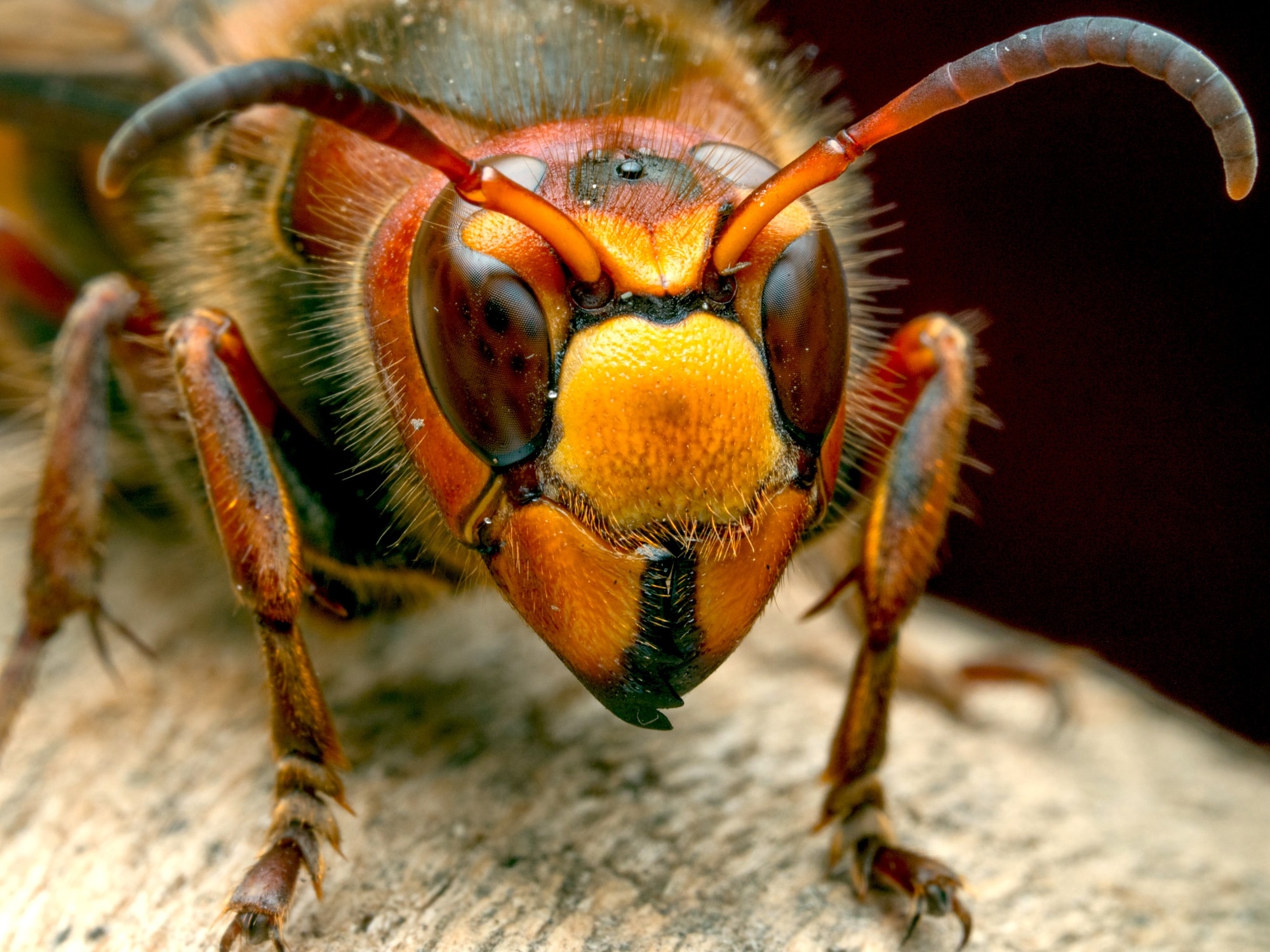
You may have noticed it when taking out the trash or airing your living room: they’re still buzzing around. The hornets keep droneing as the leaves turn yellow, tiger mosquitoes still harass you in early October, and these cursed green bugs are invading your home as if summer had never ended. It’s not your imagination playing tricks on you, nor an unfortunate coincidence. It’s the visible sign of a deep upheaval: climate change has literally broken the biological clock of our insects. They no longer know when it is time to disappear, and this seemingly trivial confusion hides worrying consequences for our daily lives.
The Broken Biological Clock of Our Little Creatures
For millennia, insects have lived according to an unchanging natural calendar. Their life cycle follows the seasonal progression: birth in spring, development in summer, reproduction then death or hibernation as the first frosts of autumn arrive. This perfectly tuned biological timeline rests on precise environmental signals that these creatures detect with remarkable precision.
Temperature, humidity, day length, and light intensity—all of these parameters serve as temporal reference points that insects use to synchronize their existence with nature’s rhythms. But today, these traditional signals are becoming inconsistent, or even contradictory.
David Giron, director of research at CNRS and a specialist in insect biology, observes this phenomenon with concern: “While their active period traditionally stretched from May to September, many of them are now present until the end of November.”
Asian Hornets in Perpetual Summer Mode
The most striking example concerns the Asian hornets, formidable predators that threaten our domestic honeybees. Normally, their colonies fade away gradually with autumn, worker bees dying and only a few queens surviving to ensure the species’ continuity.
This year, the usual scenario is not playing out. The unusually warm temperatures keep these insects in a state of permanent summer activity. “This autumn, since it’s warmer, the Asian hornet continues to develop as if it were the summer season.” “So that means more individuals and larger populations on the ground.”
This autumnal persistence is not merely an entomological curiosity. It means larger colonies, greater damage to our already fragile hives, and a risk of stings that extends far beyond the usual period.
The Tiger Mosquito That Refuses to Go on Vacation
Even more worrying, the tiger mosquito has completely revised its survival strategy. This exotic insect, initially ill-suited to our latitude, is taking advantage of warming to extend its territorial and temporal reach across our country.
The mechanism is alarmingly simple: as long as conditions remain favorable, these mosquitoes ignore winter warning signals and continue to reproduce normally. “They produce new generations instead of preparing for winter.”
This autumnal persistence turns what used to be a summer nuisance into a permanent threat. Beyond the nuisance of bites, the tiger mosquito carries tropical diseases like dengue or chikungunya. Its prolonged presence multiplies the risk of transmitting these diseases across our territory.
As of October 17, nearly all of metropolitan France still displayed red on the Mosquito Vigilance site, indicating the active presence of these invasive insects.
The Invasion of Shield Bugs: A Domino Effect of Climate Change
Green shield bugs illustrate another facet of this disequilibrium. Unlike hornets and mosquitoes, their current behavior partially aligns with their natural cycle—they do seek shelter in our homes as winter approaches.
But their exceptionally high numbers this year reveal a subtler domino climate effect. The particularly favorable summer they enjoyed generated unusually large populations, creating that autumn invasion sensation that many people feel.
Record September and Alarming Prospects
These observations are not mere anecdotes. Météo-France confirmed that September 2023 was the warmest September ever measured in France, with temperatures about 3.5°C above seasonal norms. This exceptional warmth extended into October, with peaks regularly reaching 30°C.
Toward a Winterless World for Insects?
This situation raises dizzying questions about the future of our ecosystems. If warming continues, should we prepare to cohabit with certain insects all year round?
David Giron envisions two contrasting scenarios. On one hand, “species we only see in summer would be around all year.” Imagine mosquitoes that are permanent, hornets active in January, or swarms of flies in the middle of winter.
Yet paradoxically, this absence of winter could also trigger the extinction of many species. Many insects, including some butterflies, biologically require a mandatory winter dormancy. Without this winter rest, their reproductive cycle breaks, dooming these species to disappear.
Thus, this disruption of biological clocks reveals one of the most tangible facets of climate change: when nature loses its temporal references, the balance of our ecosystems trembles.
