
For more than a year, a biomedical research institute has been testing a revolutionary model that treats DNA exactly as ChatGPT treats human language. This model is thus able to predict the next nucleotide in a DNA sequence and thereby invent new viruses that do not exist in nature. What are the medical objectives of this innovation?
9 trillion nucleotides
The Arc Institute is a nonprofit biomedical research organization founded in Palo Alto (California) in 2021. Its main objective is to accelerate medical discoveries by combining cutting-edge biology and artificial intelligence. One of its flagship projects is the Evo model, developed in collaboration with Nvidia. It is a revolutionary biological foundation model, nicknamed the “DNA ChatGPT.”
At the start of 2024, the first version of Evo was released and proved capable of designing small biological systems, including new CRISPR gene-editing tools. Since February 2025, researchers have been testing a massively upgraded version. This version has integrated the analysis of 9 trillion nucleotides and broadened its knowledge to humans, plants, and animals. On August 6, 2026, the Arc Institute published a study in Science, reporting the creation by Evo of several novel viable viruses.
Sixteen AI-designed viruses
As its nickname suggests, Evo’s operation resembles that of text-generating conversational agents that analyze billions of data points from the internet. The Evo model is capable of identifying the nucleotides that make up DNA, as well as the common patterns across life. The scientists at the Arc Institute then asked it to develop new “recipes.”
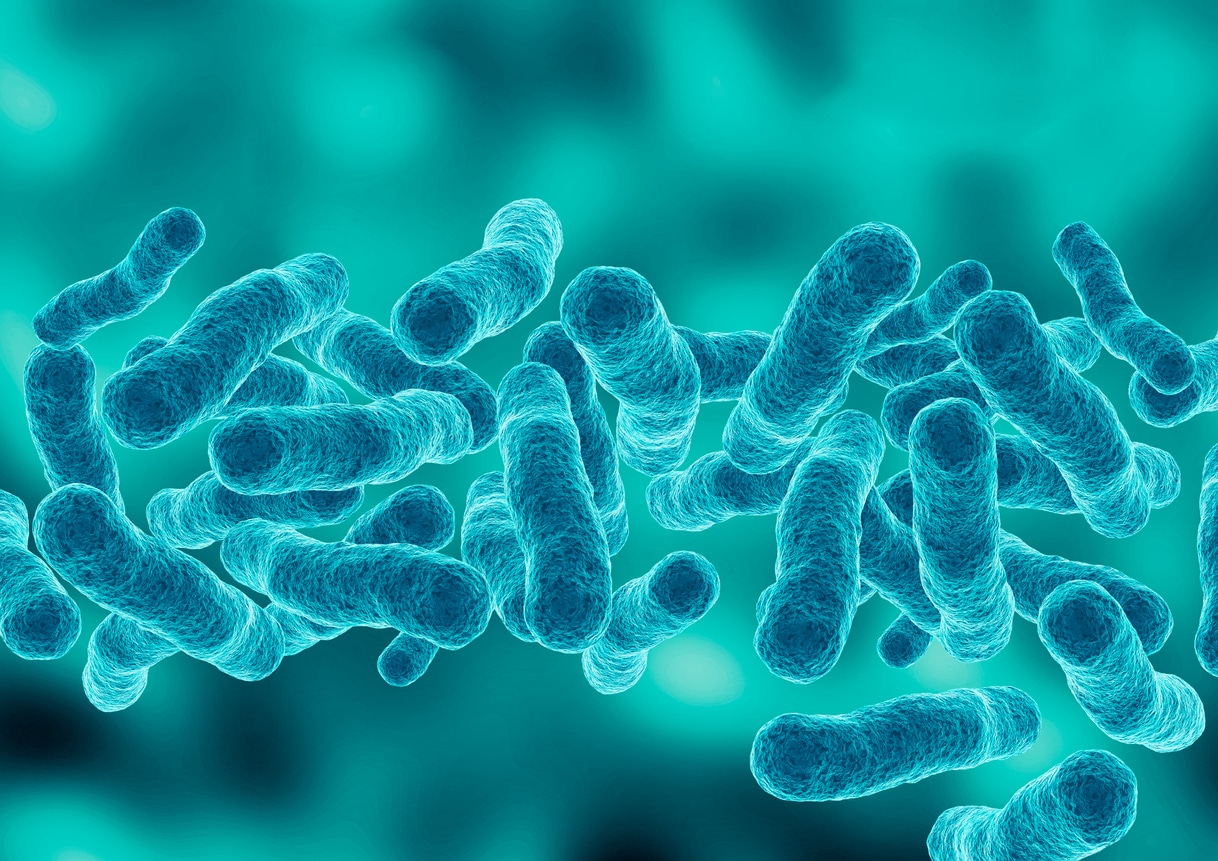
The recently published experiment involved modifying the genome of the natural virus Phi X-174. This is a bacteriophage virus capable of destroying the bacterium Escherichia coli while remaining harmless to humans. Evo generated hundreds of thousands of variants of this virus, before some sequences were selected by the researchers to be physically recreated in the laboratory. In the end, no fewer than 16 viruses entirely conceived by AI emerged and successfully killed the bacteria. Some even eliminated bacteria that had become resistant to the original virus.
The need to secure this technology
In the long term, this AI could play the role of a highly precise bioengineering tool across multiple applications. It could, for instance, help in defeating superbacteria, revolutionize gene therapy, or even reinvent the surgery of DNA. However, the moment calls for securing the technology, as Evo has been placed in open source to stimulate global research. Consequently, scientists and governments are implementing multi-layered security measures to prevent the creation of biological weapons.
To prevent misuses from the learning phase onward, the creators deliberately excluded genomes of viruses dangerous to humans from the training data so Evo cannot learn to design deadly diseases. Moreover, manipulations were conducted in hermetically sealed, secure environments. In the future, there will also be better control of DNA strand commands by specialized companies, which will allow blocking those that pose bacterial risks.
Finally, experts recommend restricting the use of the most powerful biological AI versions. Thus, only official laboratories, certified and monitored by the United States, would be allowed to use them, notably the Johns Hopkins Center for Health Security in Baltimore.
