
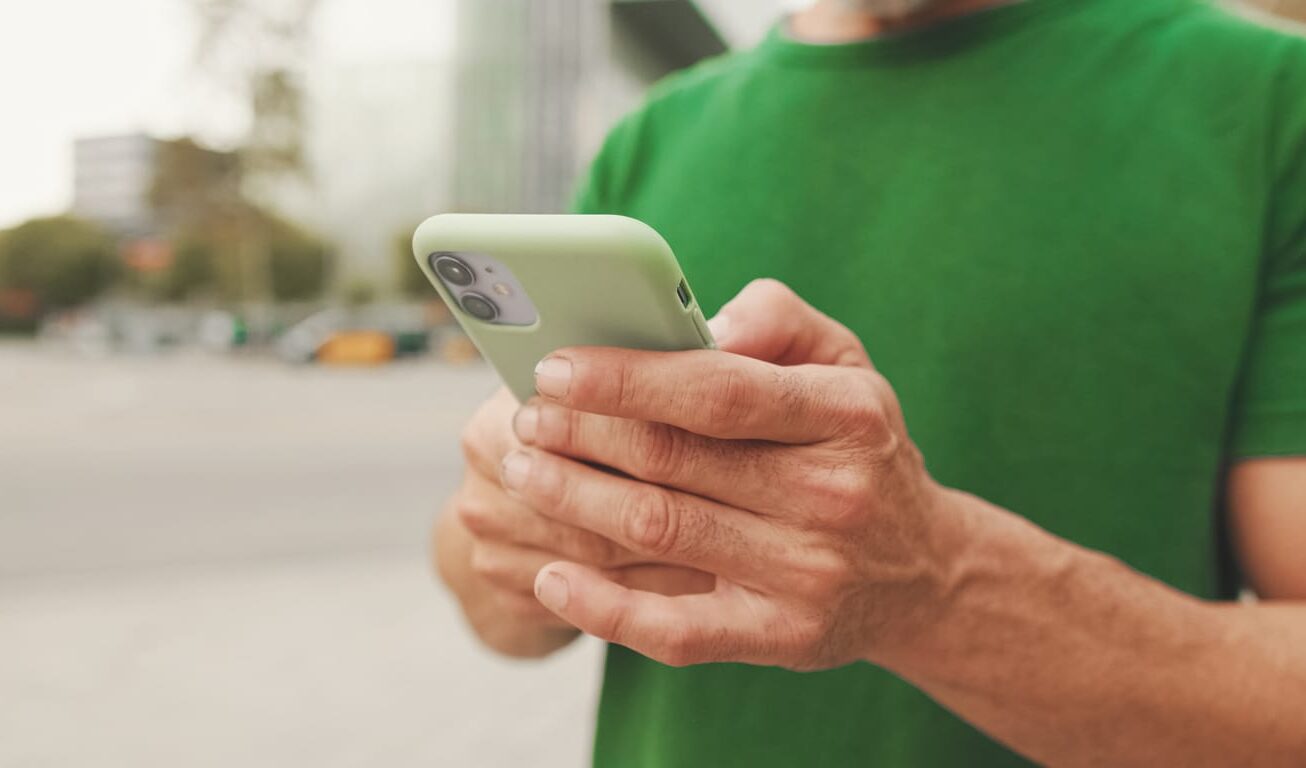
Unfortunately, intensive smartphone use leads to real physical injuries resulting from repetitive motions and other poor postures. Among the common pathologies, we notably find the “texting thumb” or the carpal tunnel syndrome. Yet, there are tips to try to limit these harmful effects.
A phenomenon that has only been discussed in recent years
Nowadays, daily smartphone use amounts to hours, to the point that some people develop a genuine addiction. It must be said that today one can accomplish a huge number of things on such a connected device: chat online, read articles, scroll through social media, watch series, play video games, etc.
As explained by a French academic publication from 2023, pathologies linked to manual and repetitive occupations have been known for a long time. However, the emergence of pathologies affecting a number of digital device users like the smartphone has been the subject of debate for only a few years.
Moreover, most of these pathologies involve the hands, particularly the one most frequently used. The list includes the “texting thumb,” carpal tunnel syndrome, cubital tunnel syndrome, and early-onset osteoarthritis, notably.
An activity that involves tendons, nerves and joints
Most often, excessive smartphone use leads to the “texting thumb,” a term that designates a painful inflammation of the tendons in the thumb. But why does this happen? Anatomically, the thumb is used for opposition—that is, to grip, pinch, and hold objects. The smartphone, however, forces the thumb to perform rapid, lateral, and repetitive movements of tapping and swiping—the well-known “scrolling”—which overloads the tendons. It therefore involves numerous micro-movements with repetitive friction of the tendon within its protective sheath. This unfortunately generates inflammation and swelling. There is also a potential aggravation of joint tension, since one-handed use sometimes makes the thumb stretch excessively when reaching the screen’s corners.
Excessive use also promotes the cubital tunnel syndrome, or can worsen it if it is already present. The same movements described above cause a compression of the median nerve at the wrist due to prolonged hand flexion. Additionally, heavy users also face risks of early osteoarthritis, namely premature wear of the cartilage in the finger joints due to excessive strain. Also mentioned is the cubital tunnel syndrome, namely numbness of the little fingers when the elbow remains bent too long while holding the screen.
The preventive gestures
If the aforementioned pains are undesirable and can become chronic, it should be known that there are nonetheless ways to limit the damage. These are real preventive measures. For instance, the user can change position and place the device on a table before browsing with their index finger. This completely frees the thumb from a tense posture. If holding the smartphone aloft is the worst scenario, the reason lies in one-handed use. Therefore, using both hands is much better: hold the device with one hand and use the index finger of the other hand to type or scroll.
Another way to relieve the thumb and fingers in general is to use the microphone to generate messages in text form. Since this activity typically accounts for about 90% of the repetitive micro-movements that damage the tendons, the relief is real.
Finally, the pressure with which the user grips the smartphone is important. Indeed, the hands must be relaxed. In other words, if the joints blanch, the person is gripping too hard. Additionally, the possibility of installing certain supporting accessories can be beneficial, for example a grip ring or other support. Obviously, taking regular breaks is a basic measure, as is performing opposition stretches.
