
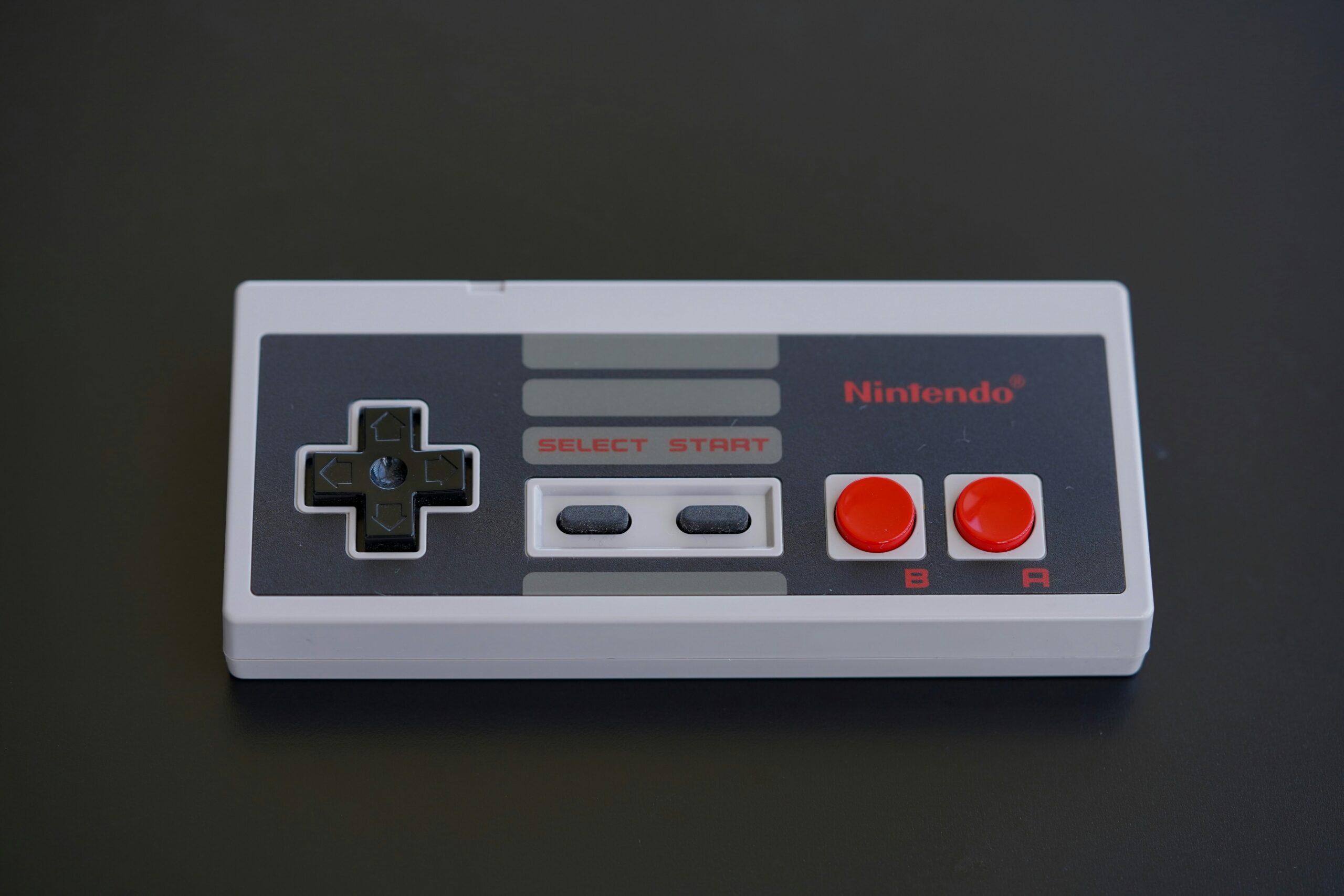
Burnout is looming. The days follow one another, fatigue accumulates, and cynicism stealthily settles in. In the face of this modern scourge, researchers have scientifically validated a surprisingly unconventional solution: dust off your old Nintendo console and immerse yourself once again in the colorful world of Super Mario. No, this isn’t a joke. An international team has demonstrated that these retro video games harbor unexpected therapeutic virtues.
When Science Meets the Magical Mushrooms
Researchers from Imperial College London and Kyushu Sangyo University in Japan conducted a rigorous study on the psychological effects of Mario and Yoshi games. Their approach combined two complementary methods: first in-depth interviews with 41 university students, followed by a quantitative survey of 336 participants to validate the initial observations.
The results reveal a fascinating mechanism. These games trigger what the researchers call a “childlike wonder,” a particular psychological state that functions as a catalyst for well-being. Players who feel this wonder more intensively display significantly higher levels of happiness and, consequently, a notably reduced risk of burnout.
Andreas Eisingerich, a professor at Imperial College, sums up the finding: tackling burnout among young adults might not rely solely on traditional well-being strategies, but also on actively reclaiming joy.
An Emotional Time Machine
The testimonies gathered illuminate the power of these pixelated worlds. One participant confesses that playing Yoshi literally returns him to the past, like a mental time-travel journey to a time when wonder toward the world was natural and everyday. Another explains having learned from Super Mario to “collect joy coins” and to constantly seek out the hidden blocks of happiness.
This nostalgia is not merely sentimental. It triggers a genuine cognitive transformation. The games create what the participants describe as an “escape for the mind,” a mental space where carefree living prevails. In a professional world that demands constant productivity and perpetual connectivity, these pauses become psychological oases.
The very design of these games contributes to their soothing effect. Their warm aesthetics, playful melodies, and absence of intense pressure establish a non-fatiguing environment, unlike the majority of contemporary digital stimuli. The researchers draw a telling comparison: playing provides the brain with a relaxation akin to a stroll in a pleasant park.
The Pixelated Chemistry of Happiness
The study highlights a chain reaction in psychology. The wonder triggered by the game generates happiness, which in turn builds a protective barrier against burnout. The playful sounds and the enchanting visual feedback progressively rebuild a sense of competence and autonomy within a relaxed setting, directly countering the sense of powerlessness associated with burnout.
The charm and benevolence inherent in these worlds also make cynicism hard to sustain. In the Mushroom Kingdom, the rules are simple, the objectives clear, and every small success is celebrated with a satisfying fanfare. This playful architecture offers exactly the opposite of what fuels professional burnout: ambiguity, lack of recognition, and a loss of meaning.
The Limits of the Digital Remedy
The researchers, however, conclude with an essential note of caution. If these games constitute a valuable tool for emotional regulation, they do not solve the structural causes of burnout. Excessive workloads, toxic management, and the absence of work-life balance: these systemic problems require systemic solutions.
Furthermore, excessive escapism into any digital world, no matter how benevolent, can become counterproductive. The key lies in balance: using these gaming moments as refreshing breaks, not as perpetual escapes. Super Mario can help recharge your emotional batteries, but it will never replace a healthy work environment.
