
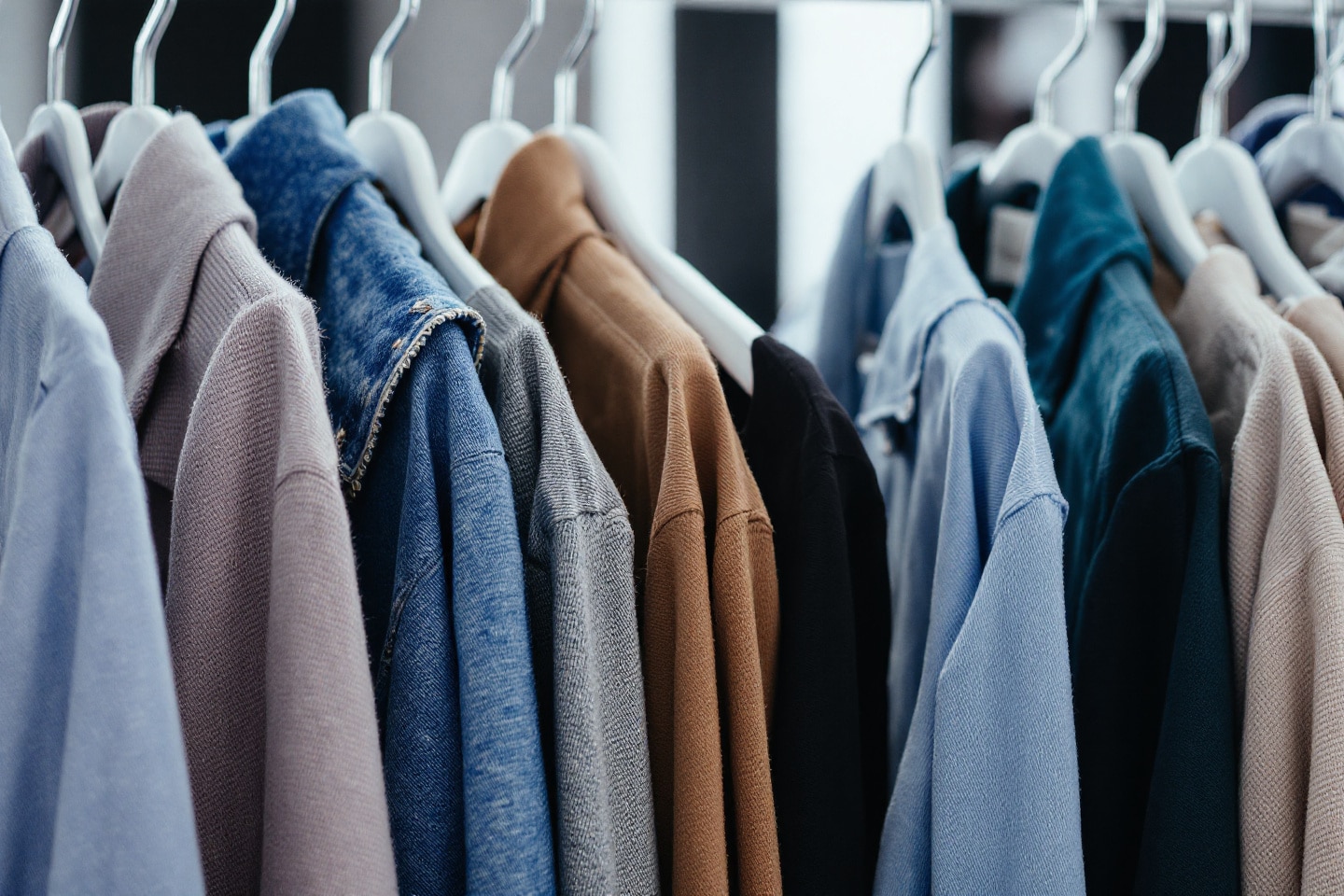
At the dawn of autumn, as shop windows compete with bright colors and new cozy textures to catch the eye of French fashionistas, another phenomenon far less visible is unfolding inside our closets. What seems soft and stylish could, without a sound, harm our health. Behind promises of comfort or originality, some garments hide toxic substances with insidious effects. Do you really know what your favorite pieces contain? Here’s why it’s time to cast a fresh — and vigilant — eye on our clothing choices.
When fashion becomes toxic: the hidden side of trendy clothing
For several years now, fashion has aspired to be fast, affordable, and accessible. The shop floors in France overflow with slogan T-shirts, pastel sweaters, or flamboyant trousers. But this abundance, often seductive, has a downside: the ubiquity of textiles derived from chemistry. Between polyester, polyamide, or elastane, the modern wardrobe has become an accumulation of synthetic fibers engineered in laboratories.
Yet, the consequences of this change aren’t visible in the storefronts. Worn daily directly against the skin, these garments expose our bodies to substances whose names are often unknown to the general public, yet which can silently accumulate within us. This prolonged contact raises a legitimate question: to what extent do these next‑generation textiles expose us to health risks?
Microplastics: these invisible fibers slipping everywhere
Behind every technical sweatshirt or leggings made from synthetic material lies an invisible but worrying story. From the moment of manufacture, these clothes release tiny plastic particles, called microplastics. With every machine wash, they shed thousands of microscopic fibers that make their way into our rivers or drinking water. In France, it is estimated that several tonnes of microfibres enter the environment each year through this everyday channel.
This pollution doesn’t stop at our washing machines. On the skin, some microplastics, coupled with other textile substances, can slowly migrate into the body. This phenomenon raises concerns about potential health impacts, especially for vulnerable individuals or with repeated exposure. Breathing, ingestion, absorption… our bodies unknowingly become receptacles for these invisible materials.
Chemical dyes: when color costs health
If autumn inspires brands to offer vibrant pieces, the reality behind those shimmering colors is sometimes less glamorous. Many textiles are saturated with powerful chemical dyes to guarantee vibrant motifs — but these pigments are not always harmless. Certain highly colored garments can release harmful compounds during initial wear or over successive washes.
Although some colorants or fixatives have been banned within the European Union, they remain present in wardrobes, imported from regions with looser regulations. The real challenge is that these components, suspected of promoting allergies or affecting the hormonal system, linger long in clothes already purchased. A crucial warning point rarely addressed in-store, but one that deserves our full attention.
Allergies, irritations, hormonal disorders: how clothes act insidiously
The human body is sensitive to more than we imagine. Direct contact, repeated rubbing… certain substances present in synthetic or colored fabrics can trigger visible reactions: itching, red rashes, eczema, or even hives. More discreetly, other worrying effects are pointed to: hormonal disturbances, immune system alteration, or long‑term fertility issues.
Groups are particularly vulnerable, such as children with thinner skin, people with a predisposition to allergies, and pregnant women. For everyone, choosing everyday clothing is therefore not just a matter of aesthetics, but a true preventive health challenge.
Label, composition, care: reflexes to adopt to limit risks
It all starts with a careful reading of the label. Knowing how to recognize natural materials (organic cotton, linen, wool) or preferring garments that bear trusted labels already helps to reduce a large portion of the risks. A simple glance at the composition — and the product’s origin — is essential before any new purchase.
Care also plays a decisive role. Washing new clothes before wearing them helps remove some finishing or dye residues. Opting for a gentle wash, at a moderate temperature, and using eco-friendly detergents limits the release of microplastics and contact with irritants. All these simple but effective habits help preserve your health… and the environment’s health.
Sustainable alternatives: is it possible to dress without danger?
In light of this, virtuous alternatives are emerging. Clothing made from natural fibers, certified organic cotton, hemp, or linen are favored for their softness and low toxic impact. Labels such as OEKO-TEX or GOTS guarantee the absence of harmful substances, ensuring a healthier choice for the whole family.
New French brands are firmly committing to this field, betting on transparency and eco-design. Textile innovation keeps progressing, gradually making it possible to acquire pieces that are both fashionable and safe for health. Attentive consumers now have multiple responsible options to refresh their wardrobe with confidence.
Taking a different view of one’s wardrobe: synthesis and avenues for better dressing tomorrow
The pleasure of dressing, asserting one’s style, or succumbing to a season’s flagship piece should never compromise our well-being. Becoming aware of the hidden dangers in certain garments means refusing to sacrifice health on the altar of ephemeral fashion.
As autumn transforms the French countryside, perhaps the moment has come, during our next shopping session, to favor natural materials, examine labels carefully, and question the origin and manufacturing methods of textiles. A wardrobe that is both healthy and elegant is perfectly attainable — it is up to us to build it step by step, for our health and for the planet.
