
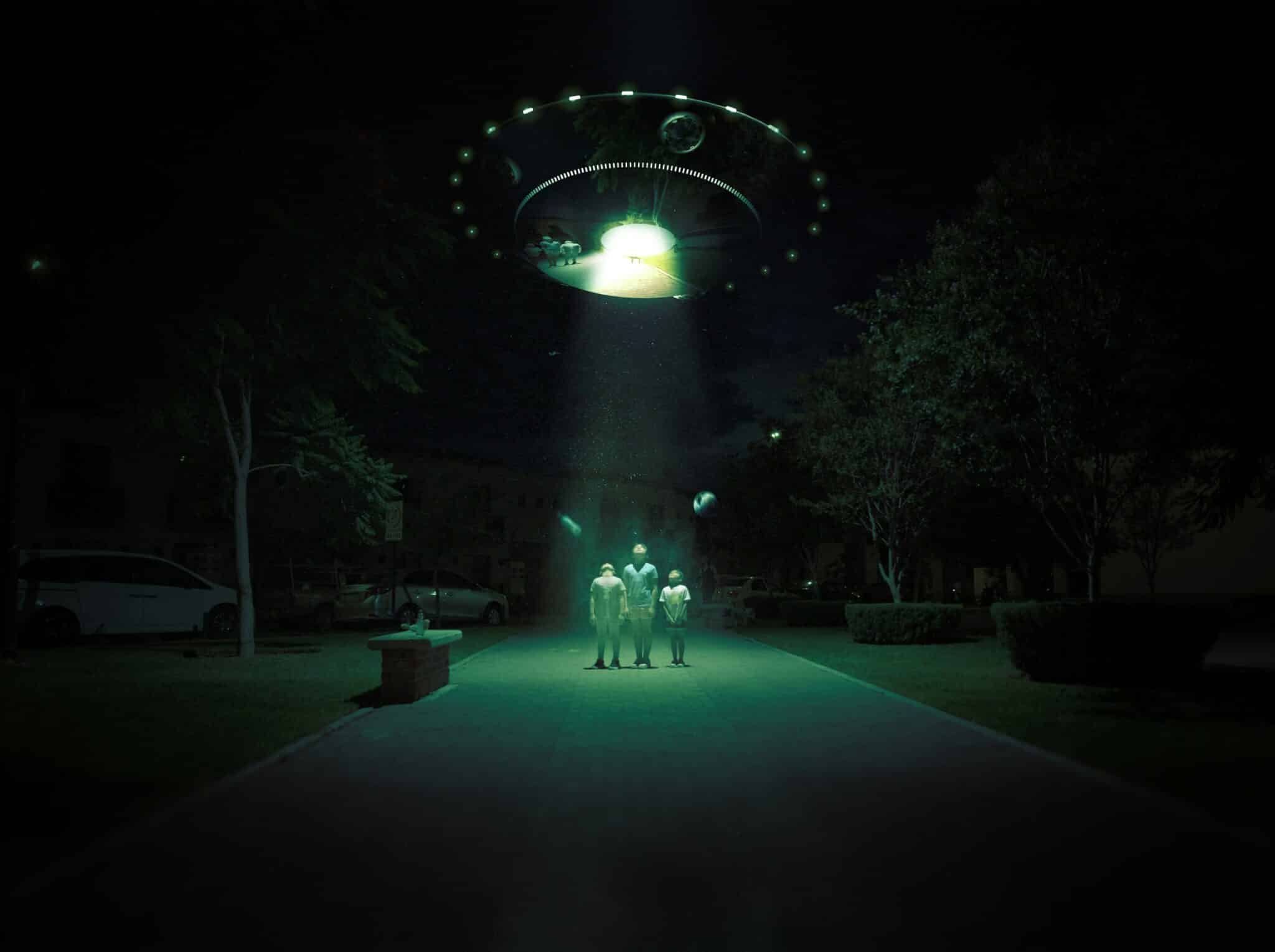
On May 8, the Pentagon released 161 government documents related to unidentified aerial phenomena (UAP), the term formerly used for UFOs. These documents contain no conclusive proof of extraterrestrial life, but they prompt us to ask: what if, tomorrow morning, a radio telescope detected a message undeniably coming from elsewhere? Far from Hollywood scenarios of mass panic, the discovery of extraterrestrial intelligence is the subject of extremely serious reflection within the scientific community. Between absolute transparency and the risk of political chaos, experts are weighing the best course of action.
What you will learn
-
Rigorous verification protocols designed to prevent a false global alarm.
-
The response dilemma: should we answer the message or remain covert in the shadows?
-
Why total transparency is considered preferable to state secrecy for maintaining social order.
A Prolonged Verification Process Before Any World Announcement
Detecting an extraterrestrial signal would not trigger an immediate alert on every screen around the globe. The first priority is to rule out terrestrial origin or instrumental errors.
Researchers must ensure the signal is not emanating from a secret satellite, an unknown natural phenomenon, or even a poorly insulated microwave oven, as has happened in the past.
Once the anomaly is confirmed, other independent observatories around the world must point their dishes toward the same source to validate the discovery.
This confirmation phase can last for weeks, or even months. It is during this crucial window that information management becomes a global security issue, because a leak could spark mass hysteria before the facts are established.
Is Silence Our Best Shield Against the Unknown?
Once the reality of contact is acknowledged, a heated question divides experts: should we send a reply?
The METI (Messaging Extraterrestrial Intelligence) school advocates open dialogue to enrich our knowledge. By contrast, many scientists, including the late Stephen Hawking, warned against such recklessness.
The risk is that we draw the attention of a more technologically advanced civilization whose intentions remain unknown.
For the moment, no government holds a monopoly on the decision. Some fear that private groups or isolated nations could take the initiative to respond unilaterally, thereby committing humanity’s fate without any prior democratic consensus.
Total Transparency to Counter Conspiracy Theories
Contrary to popular belief, most sociologists and space-policy experts advise against state secrecy.
In our hyper-connected world, concealing such information would be virtually impossible. An attempt at governmental concealment would only fuel devastating conspiracy theories and widespread distrust in institutions.
Honesty and the broad dissemination of scientific data are viewed as the best tools to stabilize public opinion.
Clearly explaining what is known, and especially what is not known, would help prevent mystic or catastrophe-driven interpretations.
The discovery of extraterrestrial intelligence would be humanity’s most transformative event, and its management will require unprecedented international cooperation, transcending borders and current ideologies to push us to speak with one voice as a species.
