
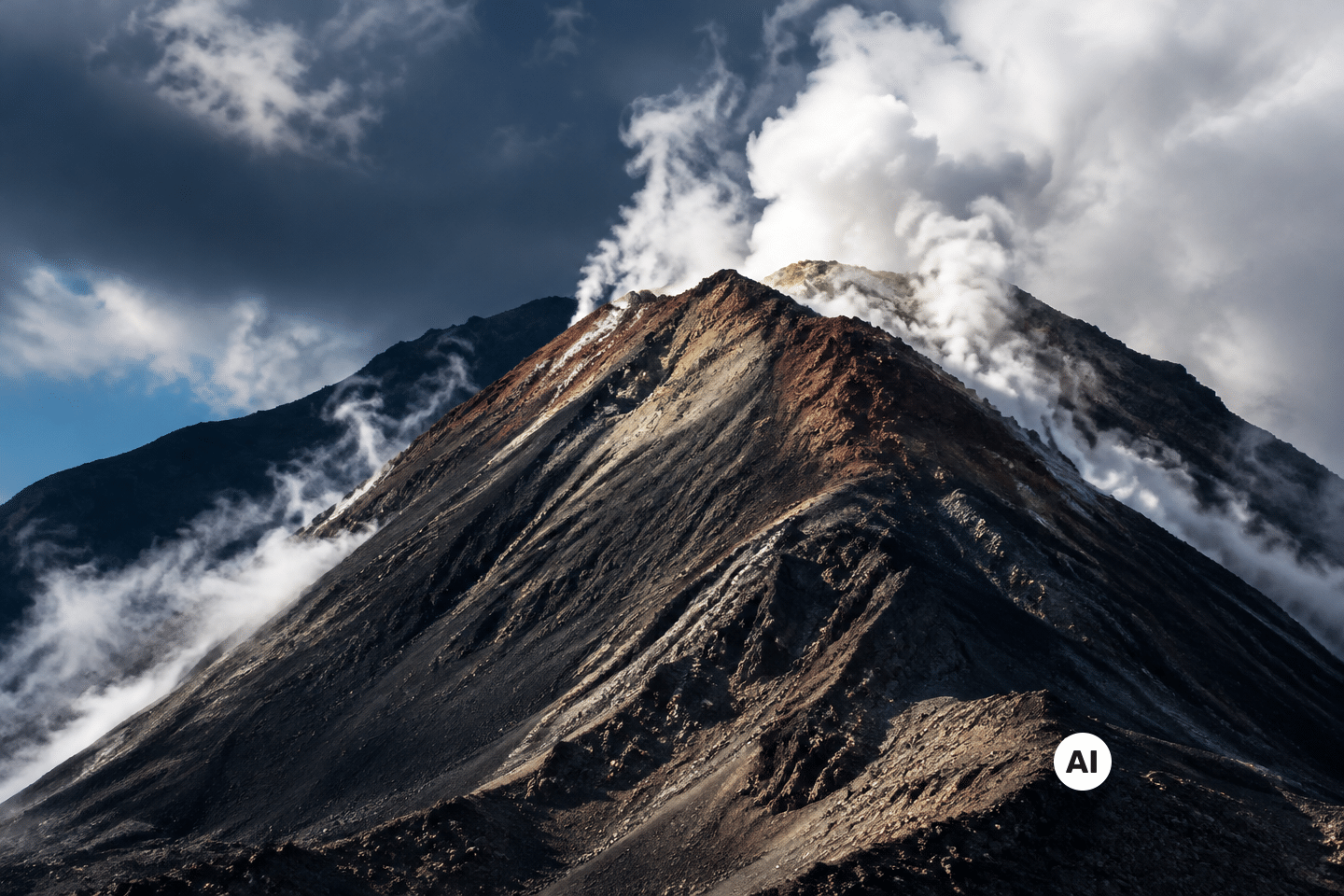
In January 2025, the New Zealand Parliament unanimously passed a law recognizing the Taranaki Maunga and its neighbouring peaks as a legal person, named Te Kāhui Tupua. This “person” possesses rights, duties, and an eight-member council tasked with speaking on its behalf. The law forms part of a reparations agreement with the region’s iwi (Māori tribes) following land confiscations by the Crown.
A mountain recognized as a person under the law
The act is titled Te Ture Whakatupua mō Te Kāhui Tupua 2025, or the Taranaki Maunga Collective Redress Act 2025. It cleared its second and third readings on 30 January 2025, to the applause of MPs, before being enacted as the year’s first public law (“2025 No 1”). It implements the agreement signed on 1 September 2023 between the Crown and Ngā Iwi o Taranaki, which brings together the eight iwi of the region.
The statute creates Te Kāhui Tupua, which encompasses the Taranaki Maunga and the peaks of Panitahi, Patuhā, Kaitake and Pouākai. The text describes them as a “living, indivisible whole,” reflecting a māori worldview that regards them as ancestral beings. This entity has its own legal personality, with all the rights, powers, duties and responsibilities of a person.
New Zealand had already paved the way with Te Urewera, the former national park, in 2014, and then with the Whanganui River in 2017. The Taranaki thus joins this small group of natural features endowed with legal personhood.
The law is also a form of historical redress: it acknowledges the Crown’s breaches of the Waitangi Treaty, including the confiscation of 1.2 million acres of land in the Taranaki region. This recognition gives the text both symbolic and practical significance.
Eight guardians to carry the volcano’s voice
A legal person cannot speak for itself. The law therefore established Te Tōpuni Kōkōrangi, an eight-member council charged with being the “face and human voice” of Te Kāhui Tupua. Four members are appointed by Te Tōpuni Ngārahu, which represents the eight iwi, and four by the Minister of Conservation. This parity reflects a balance between māori communities and the State.
The presidency is held by Liana Poutu, from Te Ātiawa, announced in August 2025. On the Crown side, Minister Tama Potaka appointed Professor Bruce Clarkson, Hemi Sundgren, Rex Hendry and Stephen Daysh for terms extending to 31 March 2028.
Their mission is to speak and act on behalf of Te Kāhui Tupua, and to safeguard its health, well-being and interests. The council is tasked notably with developing the park’s management plan, named He Kawa Ora, which the minister may approve only with the iwi’s agreement. The Department of Conservation retains day-to-day management: trails, biodiversity, maintenance.
The guardians are not owners of the mountain. Under the agreement, the Taranaki Maunga and its park are no longer dependent on a human owner.
A renamed park and restored Māori names
The law also changed names. Egmont National Park was renamed Te Papa-Kura-o-Taranaki, meaning “the highly valued and precious lands of Taranaki,” effective 1 April 2025. The former names “Mount Taranaki” and “Mount Egmont” were officially replaced by Taranaki Maunga. The name “Egmont” had been given by James Cook in 1770.
The New Zealand Geographic Board published a notice in the Official Journal removing one protected-area name, creating a new one, changing 18 geographic names and confirming another. This work gradually replaces colonial heritage with indigenous names.
The legal scope of the status remains to be measured over time, since concrete decisions will follow the management plan and the first cases involving the mountain. But for the iwi, the recognition already goes beyond law: it validates an ancestral relationship with the mountain that institutions had long ignored.
Sources :
-
- 1News – Te Kāhui Tupua: Taranaki Maunga granted legal personhood (January 30, 2025)
- 1News – Taranaki Maunga finds its human voices (August 22, 2025)
- Eco Jurisprudence – Taranaki Maunga
Article prepared with the help of AI · Our method
