
The ice was never quiet in the 1960s, but the hum that rose near McMurdo sounded different—industrial, electric, almost impossible. For a decade, a compact nuclear plant tried to turn polar darkness into light, heat, and fresh water. The project was bold, messy, and—by the end—an object lesson in what it means to clean up after yourself in the most remote place on Earth.
Powering the ice
The United States Navy set up a small, modular reactor beside McMurdo Station to cut the long, dangerous supply chain of diesel fuel. The promise was simple: fewer fuel flights, steadier power, and distilled water for a growing science hub.
Engineers called it PM‑3A, a transportable design assembled like a kit and tuned for the bitter cold. It arrived as part of Operation Deep Freeze, the Navy’s annual Antarctic logistics push, and it quickly became an emblem of optimism at the bottom of the world.
“Power where no grid can reach,” boosters said, “and water where no river can flow.”
A compact reactor at the edge of the world
The unit fed McMurdo’s lights, workshops, labs, and desalinization gear. Every kilowatt spared a drum of diesel and a risky flight through weather that eats machines and men.
Yet the cold is a ruthless editor of human plans. Steel contracts, seals harden, and maintenance windows shrink to minutes. What works in a temperate yard can behave very differently in a place that is all edge and no center.
Hairline cracks, hard lessons
Over the years, operators chased small leaks, tight tolerances, and the creeping fatigue of metal under polar stress. “The ice has a long memory,” one veteran observed, “and it tests everything we bring.”
Inspections found micro‑cracking and contamination in soils and structural materials around the plant. There were shutdowns, repairs, and the growing sense that the logistics saved on fuel might be paid back in maintenance and complexity.
The question sharpened: could a reactor this far from support be kept both safe and useful, day after grinding day?
Taking it all home
By 1972, the answer was no. The Navy decided to shut down, dismantle, and remove the plant completely—reactor, piping, foundations, and the contaminated earth beneath it.
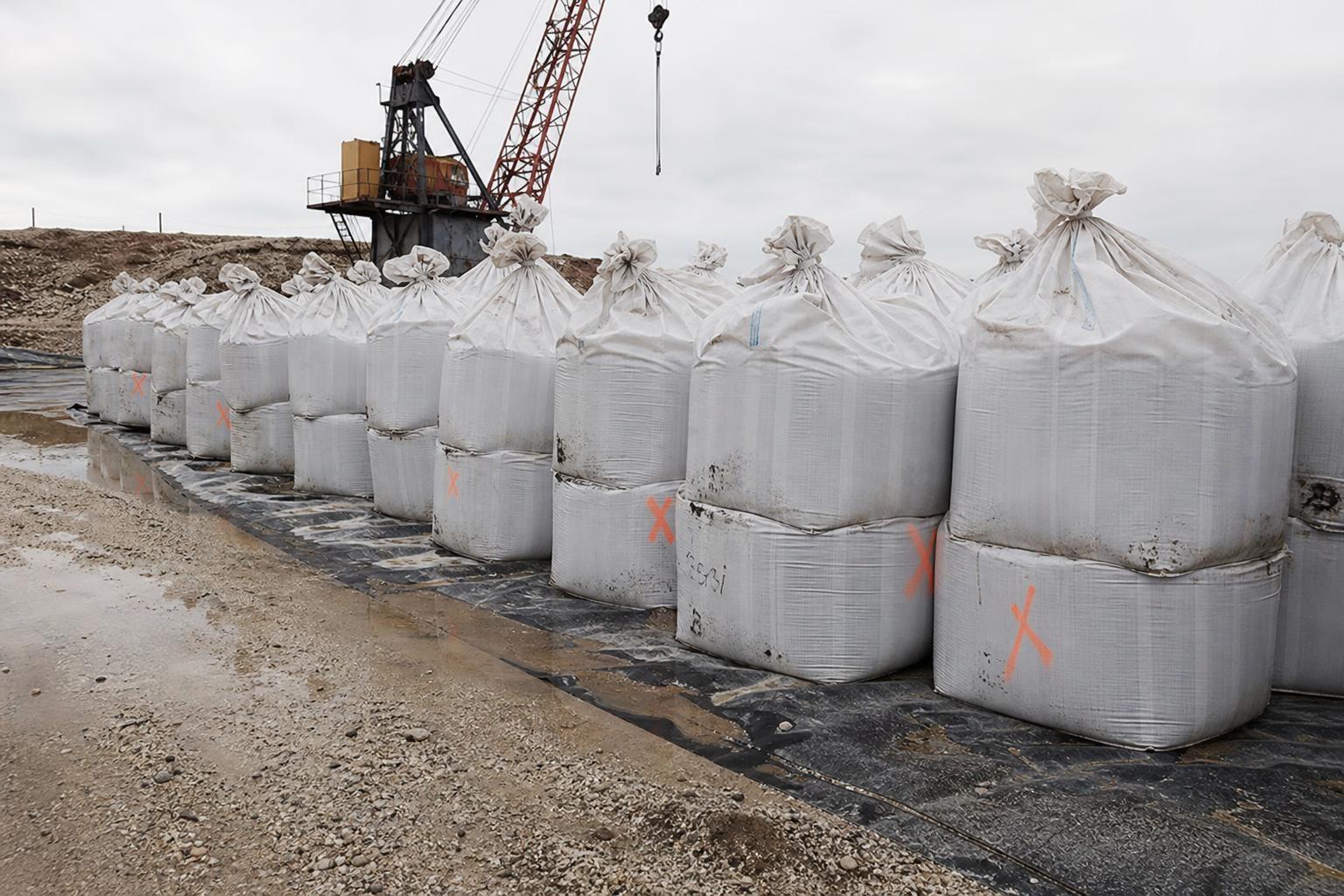
Crews scraped, sampled, and packed the stained ground into lined containers, then sent the cargo north by sea to California via the Navy’s Port Hueneme gateway. From there, the material moved to licensed U.S. facilities for controlled disposal and verification.
One project manager put it starkly: “If you bring the atom to Antarctica, you also owe Antarctica its full return.”
- Shutdown operations stabilized the plant for safe dismantling
- Contaminated soil and debris were identified, excavated, and containerized
- Shipments transited through Port Hueneme, California, to licensed disposal sites
- Post‑removal surveys confirmed cleanup targets had been met or exceeded
What that cleanup meant
The removal set a tone that outlasted the reactor itself: if you can carry it in, you should carry it out. Long before the modern Madrid Protocol codified stricter environmental rules for Antarctica, this project modeled a principle that now feels obvious.
It was costly, deliberate, and slow—and it showed that “leave no trace” is not a slogan but an engineering discipline with invoices, schedules, and proof.
The effort also recalibrated what “remote power” means. A kilowatt has a shadow—fuel risk, training depth, spare parts, and end‑of‑life obligations. In Antarctica, that shadow stretches for a continent.
Echoes in today’s designs
Modern small modular reactors promise better materials, passive safety, and factory‑grade quality. The pitch is more cautious now, with lifecycle planning pulled to the front instead of the back.
If the polar experiment taught a single lesson, it is this: design for the cleanup on the same day you design for the startup. Build the crate before you build the core. “The cleanest kilowatt,” as one engineer likes to say, “is the one you can take with you when the story is over.”
That decade on the ice left behind an unusual legacy—not a skyline or a skyline’s ruins, but a method. Map your risks, price your exits, and respect the place that holds your machinery. Antarctica gives almost nothing for free, and it keeps perfect accounts.
Today, the wind still prowls McMurdo’s hills, and the station runs on improved, efficient diesel with renewables edging into the mix. The nuclear building is long gone, the ground beneath it tested and cleared, and the most telling artifact of the era sits far away—soil and steel, documented and contained, a reminder that progress and responsibility must travel together.
