
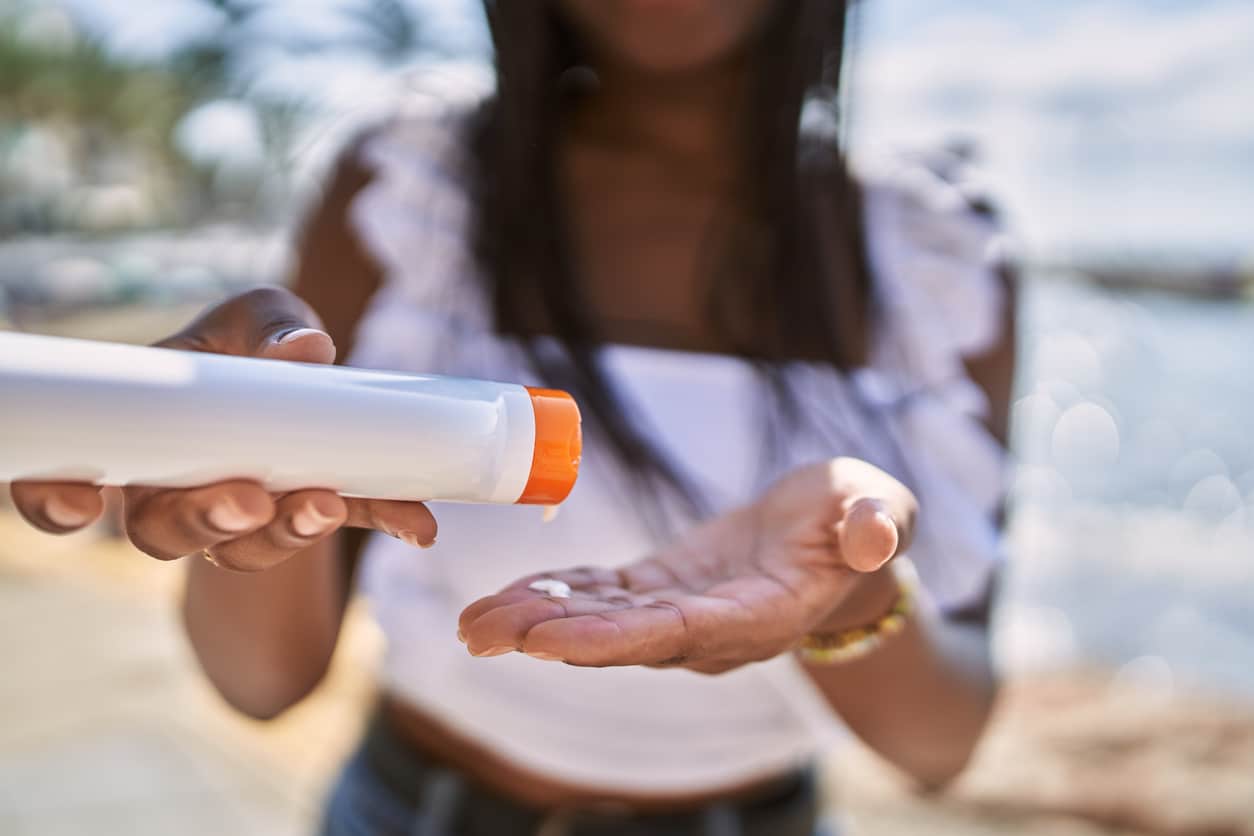
Our French summers are often synonymous with sunbathing, escapes along the Côte d’Azur, or picnics in the parks. But who hasn’t found an old tube of sunscreen at the bottom of a bag, glanced at the expiration date half‑consciously, and decided to use it “just this time”? Behind the simple oversight of an expiration date lies a real risk to the skin, sometimes underappreciated by many. At a moment when protecting the epidermis has never been more essential, it’s time to reveal what really happens when you apply expired sunscreen.
Instant sunburn: when the protection stops working
We often imagine that sunscreen acts as an infallible shield, provided we reapply regularly. Yet, once it’s expired, its ability to filter UV rays drops dramatically. The filters, whether mineral or chemical, lose effectiveness over time — especially if the tube has been exposed to heat or light. Result: the protection advertised on the packaging is no longer guaranteed, even when using the usual amounts.
Over the course of a sunny afternoon, the familiar warmth settles on the shoulders. A few hours later, the verdict appears in the mirror: red, painful skin, marked by an unexpected sunburn. Blame goes to protection that has become too weak to counter the sun’s effects.
The skin’s youth at stake: UVs strike quietly
Using expired sunscreen isn’t limited to superficial burns. The illusion of being protected sometimes leads to longer exposures, increasing risks to the skin’s youth. From the earliest exposures, skin aging accelerates: wrinkles, pigment spots, sagging… UV rays aggressively degrade collagen fibers when they aren’t kept in check.
The trap lies in this false sense of security. You apply the product, you think you’re doing the right thing, but the cream has lost its effectiveness. The damage, however, quietly sets in year after year, until it permanently changes the state of the epidermis. It becomes impossible to go back.
Health risks: the silent long-term threat
The consequences aren’t limited to discomfort or aesthetics. In the long run, insufficient sun protection increases the risk of developing certain skin cancers. In France, every year the number of new diagnoses keeps rising, notably among those under 40, evidence that vigilance must apply at every age.
Believing you’re protected when the product is no longer effective is giving UV rays direct access to our skin cells. Adopting a fresh sunscreen suited to our needs is investing in preserving our health capital and limiting long-term dangers.
Irritations, redness, itching: the explosive mix of degraded ingredients
Expired sunscreen doesn’t only compromise protective efficacy. Some ingredients, as they age, transform or degrade. The result? Possible immediate skin reactions: redness, tingling sensations, itching, or actual allergies.
These reactions are sometimes amplified by deteriorated preservatives or emulsifiers that separate. We think we’re protecting our skin, and we end up needing to treat it with soothing creams, simply because of a forgotten tube that should have ended up in the trash.
The lab at the end of the tube: what happens as sunscreen ages?
Behind this bottle, an entire chemistry unfolds. A sunscreen typically comprises oil and water phases, UV filters, preservatives, sometimes fragrances or vitamins. With time, the mixture loses its homogeneity: water and oil can separate, the texture becomes grainy or more runny, and small clumps may appear.
Appearance, texture, or odor then change in characteristic ways. A rancid smell, a color change, or the presence of deposits should alert you immediately. When in doubt, it’s better to refrain than risk potentially serious skin discomfort.
How to avoid the traps of expired sunscreen?
Fortunately, there are simple habits to stay safe:
- Always store sunscreen away from heat and direct light.
- Check the expiration date before each use.
- Observe the texture and smell: any suspicious change should trigger caution.
- On the beach or while traveling, choose formats that prevent reusing old tubes.
If in doubt, buy a new cream, or, as a quick fix, borrow one from a friend. Remember that the risk isn’t worth it given the dangers involved.
What to remember and how to pamper your skin in the sun
Applying expired sunscreen isn’t harmless: it exposes you not only to sunburns but also to premature aging of the skin and, more seriously, to an increased risk of skin cancer. Not to mention the immediate discomfort reactions. To avoid these dangers, one rule: vigilance and prevention. Favor fresh products, stored correctly, and trust your senses to detect any suspicious changes.
So, next time the urge to pull out an old tube crosses your path on the road to the sun, remember: your skin deserves the best, today as well as tomorrow. This small precautionary gesture can make all the difference for your skin’s long-term health.
