
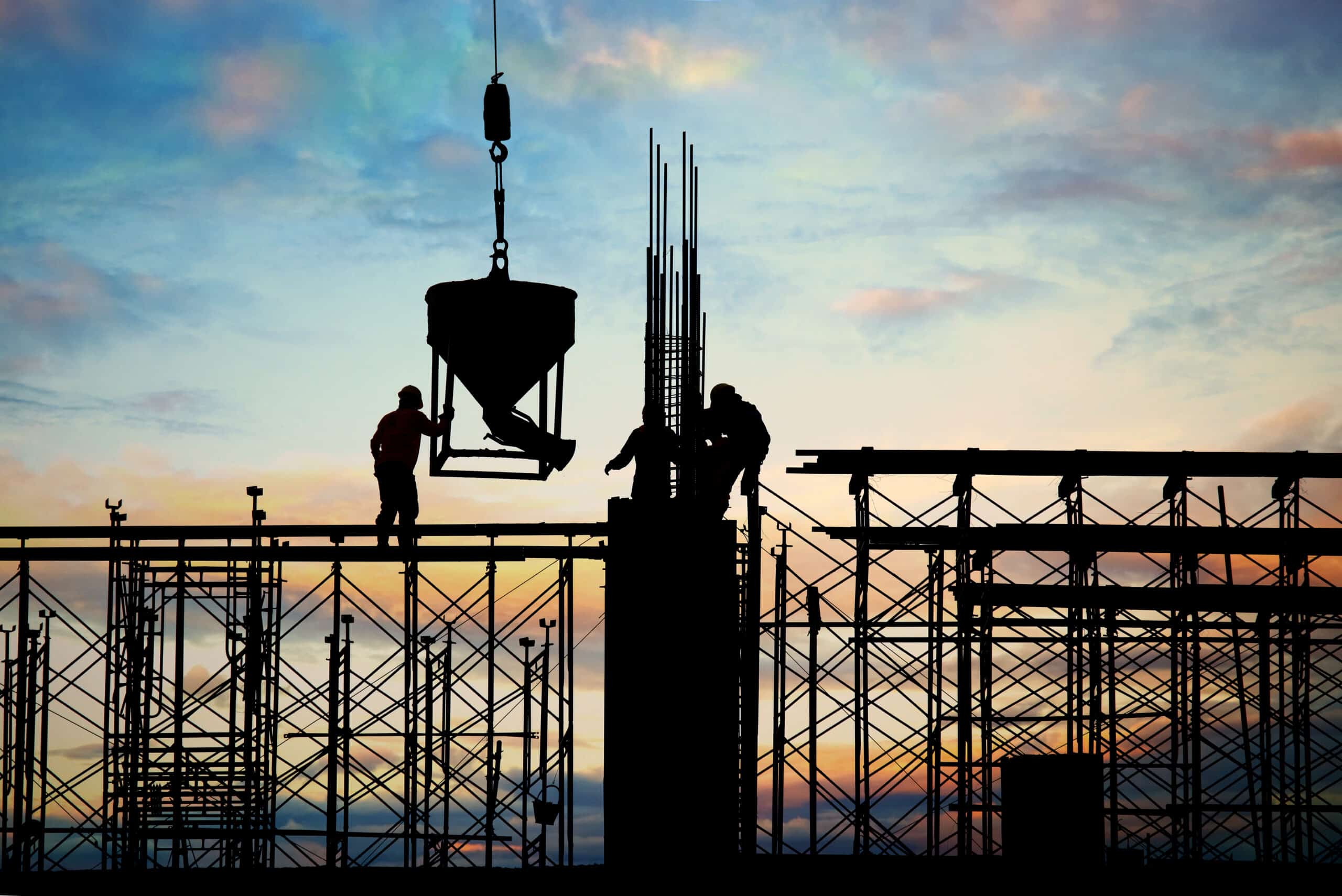
In the midst of a downturn in activity, the management of professional risks moves beyond the sole domain of compliance to become a matter of financial competitiveness for large groups in the sector, such as Vinci, Eiffage or Fayat.
The construction and public works sector (BTP) remains one of the most sensitive thermometers of the French economy, but also one of the most exposed to on-site mishaps. With 1.5 million workers, the sector recorded, for the year 2023 alone, about 76,800 workplace accidents. In response to this finding, the watchword has hardened. Under the impulse of employers’ organizations, such as the Fédération Nationale des Travaux Publics (FNTP), which has set the ambition to eliminate fatal accidents by 2028, companies are revising their managerial practices. The issue goes beyond humanitarian concerns: by integrating safety from the design phase of projects, builders are trying to link worker protection to the financial viability of their ventures.
Exporting Safety Standards
The focus on risks in the construction sector initially took shape well away from French sites. In the public imagination, fueled by NGO investigations and reports, attention long centered on large contracts secured abroad, or around major sporting events such as the FIFA World Cup in Qatar. To address allegations about working conditions, the French majors had to adopt a policy of transparency. Vinci, for instance, highlighted audits of its local subsidiary, QDVC, to demonstrate injury-rate indicators, including the subcontracting chain, that were lower than its European averages.
This obligation to show a clean bill of health abroad now echoes directly on national soil, where prevention serves as a reputational argument. In France, the approach now rests on demanding certifications, such as the MASE (Manual for the Improvement of Enterprise Safety), which has become a standard for disseminating good practices within subsidiaries. This cultural hardening also responds to a strict legal reality: the Labor Code places criminal responsibility for safety on the project owner. For builders, the ability to take charge of the client’s risk management has become a decisive commercial advantage during contract negotiations.
From the Site Abacus to Smart Mini-Excavators
On the ground, this doctrine implies a reorganization of working rituals. The “field dialogues” established by Vinci aim to detect malfunctions at their source rather than afterwards. This human-centered management also clashes with climatic realities, such as the one currently being faced as summer has just begun. During periods of extreme heat, site adaptation becomes immediate: to comply with prefectural restrictions that prohibit public works in the afternoon, teams adjust their schedules, ensure proper hydration, and move the “muscle-warming sessions” to dawn, before shift start.
To keep the workers engaged, some Fayat subsidiaries, such as Castel and Fromaget, rely on participatory tools. A giant abacus, installed at the workshop entrance beside the protective equipment, marks the tally of days: a white ball for each incident-free day, a red ball as soon as an accident occurs. This visual device triggers an immediate safety service investigation to adapt operating methods. The technical renewal of on-site equipment also accelerates this transition. In collaboration with users and rental firms such as Loxam, the machinery manufacturers like Manitou or Bobcat are integrating safety at the factory. The machine fleets thus see the widespread introduction of anti-crush bars on the baskets, intelligent joysticks on mini-excavators to correct handling errors, or connected trolleys equipped with rear radars and tilt sensors.
An Economic Equation
If prevention advances, it is also because its financial equation has become evident to the administrative directors. A secured chantier experiences fewer interruptions and logistical disruptions. By anticipating risks related to working at height or manual handling, which account for about half of reported accidents, companies optimize their rotations. Industry data indicate that a properly organized site can see its overall productivity rise by 8% to 12% compared with a site suffering from unforeseen stoppages.
Controlling direct costs is the other budgetary lever. The National Provident Fund estimates the average direct cost of a workplace accident at €4,800, a figure that often triples when penalties for delays, insurance costs and production stoppages are added. For organizations with more than 150 employees, the AT-MP (work accidents and occupational diseases) contribution rate is calculated according to the company’s actual accident history. Reducing accidents directly preserves operating margins.
This prevention strategy proves all the more crucial as the sector navigates a deep crisis. In the second quarter of 2025, construction activity showed a 4.5% year-over-year drop according to Capeb. In a market marked by shrinking order books and persistent difficulties in attracting skilled professionals, exemplary health and safety practices are no longer merely a legal shield. They have become a differentiating factor in winning orders from clients and a loyalty tool for companies keen to stabilize their field workforce.
