
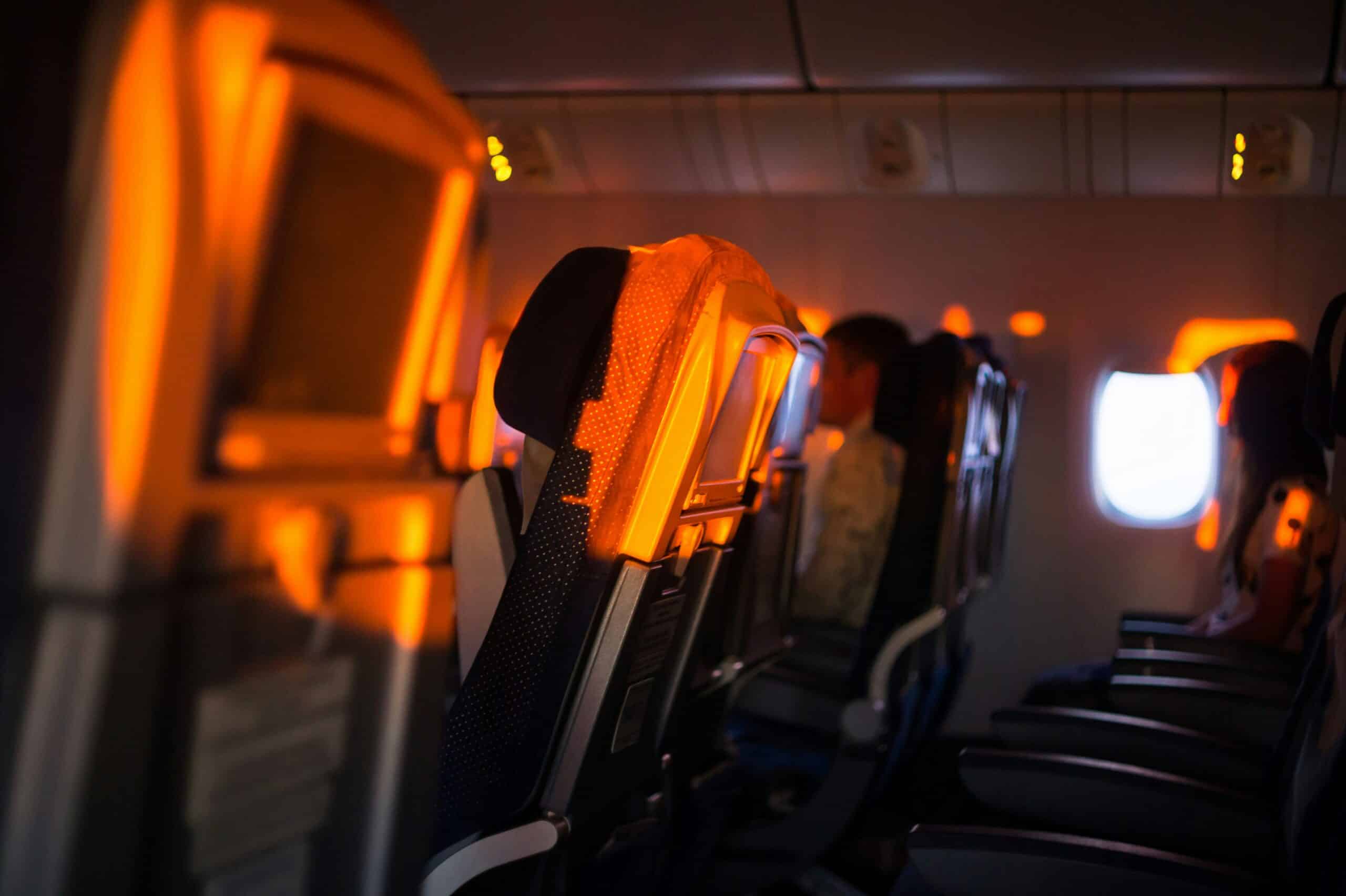
Airplane cabins are kept between 21 and 24°C — but the air is so dry that it feels much colder. And this temperature isn’t a crew oversight: it’s a deliberate safety measure to prevent fainting, reduce nausea, and offset the oxygen shortfall at altitude.
What you will learn
- Why passengers receive roughly 25% less oxygen than at ground level — and how the cold helps offset this deficit
- How the body heat of 200 passengers packed together can raise the cabin temperature
- Where to sit if you’re chilly — and which areas of the plane are consistently the coldest
A Cold Air That Isn’t an Accident
Flight attendants wear jackets and sweaters even in July in Miami: a telling sign. The cabin temperature is intentionally kept on the cooler side, and the reasons are primarily medical and safety-related.
At cruising altitude, cabin pressure is simulated to resemble an altitude between 1,800 and 2,400 meters — a compromise between the structural integrity of the aircraft and passenger comfort. Direct consequence: passengers receive about 25% less oxygen than at sea level. Most people don’t notice, but some may experience dizziness or fainting, especially when standing abruptly after sleeping on a red-eye flight.
The cold air counters this risk in several ways. It keeps passengers more alert — essential for reacting to turbulence or evacuations. It slows the heart rate and stabilizes blood oxygen levels. In contrast, a warmer cabin speeds up the heart rate and increases oxygen needs, exacerbating the risk of hypoxemia.
The Problem of Collective Body Heat
A commercial cabin accommodates between 150 and 300 people in a confined space. Each passenger generates body heat. Bundled in blankets and seated only centimeters apart, passengers can push the temperature up significantly, especially toward the middle of the aircraft where density is highest.
That is why modern airplanes split the cabin into two to four independently controlled temperature zones. Valves regulate the flow, injecting warm or cool air into the ducts as needed for each zone. Moving from front to back, you can sometimes physically feel these thermal transitions.
Temperature control varies by manufacturer: on Airbus aircraft, flight attendants can adjust the temperature via a central touch screen; on Boeing, it is the pilots at the helm who control the settings, often with buttons calibrated to generic ranges rather than precise values.
Where to Sit to Feel Less Cold
Certain zones are systematically colder. Seats near emergency exits receive icy air that seeps in through the door seals. Window seats are closer to the aircraft’s outer wall, exposed to the extreme temperatures at altitude. The galleys — meal-preparation areas — are among the coldest spots, as they house powerful refrigeration units and are often near a door.
If you’re cold on a flight, steer clear of these areas, pack an extra layer in your carry-on, and remember that this sensation is precisely what the crew aims to maintain for your safety.
