
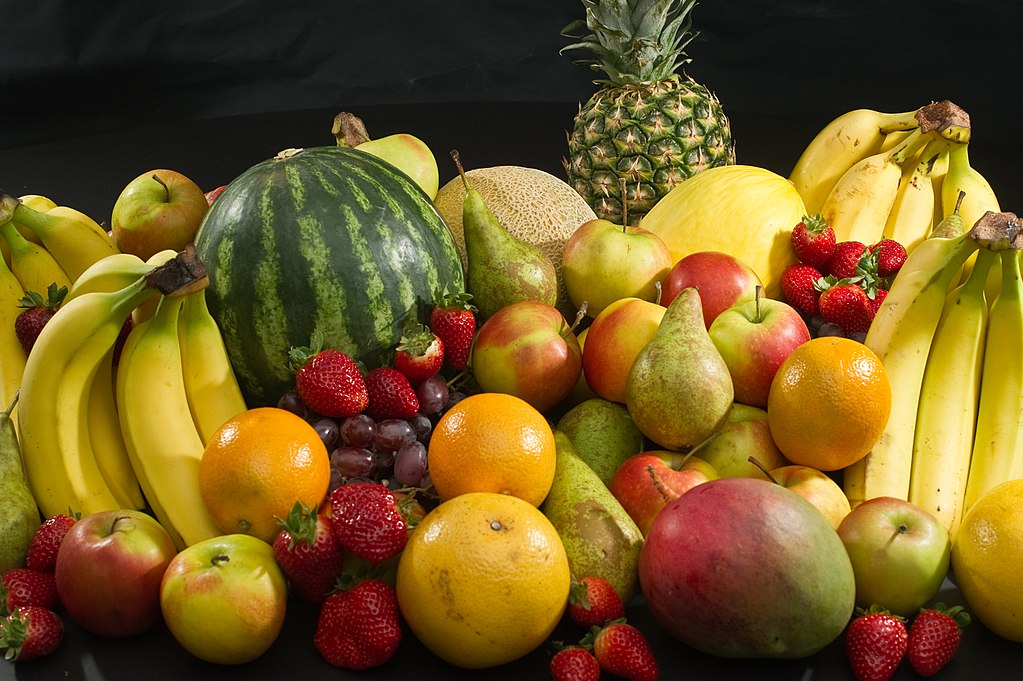
A study published on September 24, 2018 in the journal Scientific Reports shows that the color of fruits is influenced by the animals that eat them. This idea is certainly not new, but it has sparked many debates within the scientific community. And today, this new study reported by Duke University (United States) will be able to enrich these discussions, because it addresses the topic more deeply.
The Initial Explanations for Fruit Color
The debate over the explanation of the fruit color has endured for more than a century. The earliest scientific research on the subject with solid documentation dates back to 1879! It proposed the hypothesis that fruit color serves to attract animals, which can then disperse the seeds of the fruit. Typically, research explains the diversity of fruit colors through phylogenetic or environmental constraints, or as a protection against organisms hostile to the fruit and to seed conservation.
The Problem of Scientific Studies on Fruit Color
The theory that color helps attract animals that will subsequently disperse the seeds of the fruit is interesting. However, it has sparked numerous debates because it does not take into account differences in how animals perceive colors, and studies on this topic have largely involved human color perception. Yet there are very few species in the animal kingdom that see color in the same way we do, as noted by Kim Valenta, co-author of the study and associate professor of research in evolutionary anthropology at Duke University. “With the exception of a handful of other primates, no other animal on Earth sees color in the same way we do.”
Additionally, studies tend to overlook other possible reasons that would explain such a wide range of fruit colors. Perhaps the location of the fruit tree, the soil, access to light, drought, temperatures, and other factors influence fruit color. It is also possible that recently evolved fruit-bearing plant species owe their color to their genetic parents.
This work conducted by the research team proposes to examine the question by including the color vision of different species.
What the Fruit Color Study Teaches Us
The research team studied the wavelengths reflected by 97 plant species in Uganda and Madagascar.
They discovered that fruits reflecting green colors attract primates the most, whereas those that reflect red hues are more appealing to birds. Certainly, one reason that explains this is that birds can distinguish red more easily when seen through the trees.
These results tilt the balance toward the hypothesis that fruit color serves to attract animals for seed dispersal.
Some of their findings also showed that color is influenced by environmental factors. Indeed, some leaves and fruits of the same fruit tree reflect UV light, which helps protect them from the sun. As a result, they are compelled to adopt a particular color.
In their upcoming studies, the scientists also plan to examine the texture and smell that fruits use to attract animals: “It may be that visual visibility—often achieved with red—attracts birds, but scent is more important for attracting animals whose sense of smell is sharper than sight,” says Omer Nevo, co-author of the study.
Related articles:
