
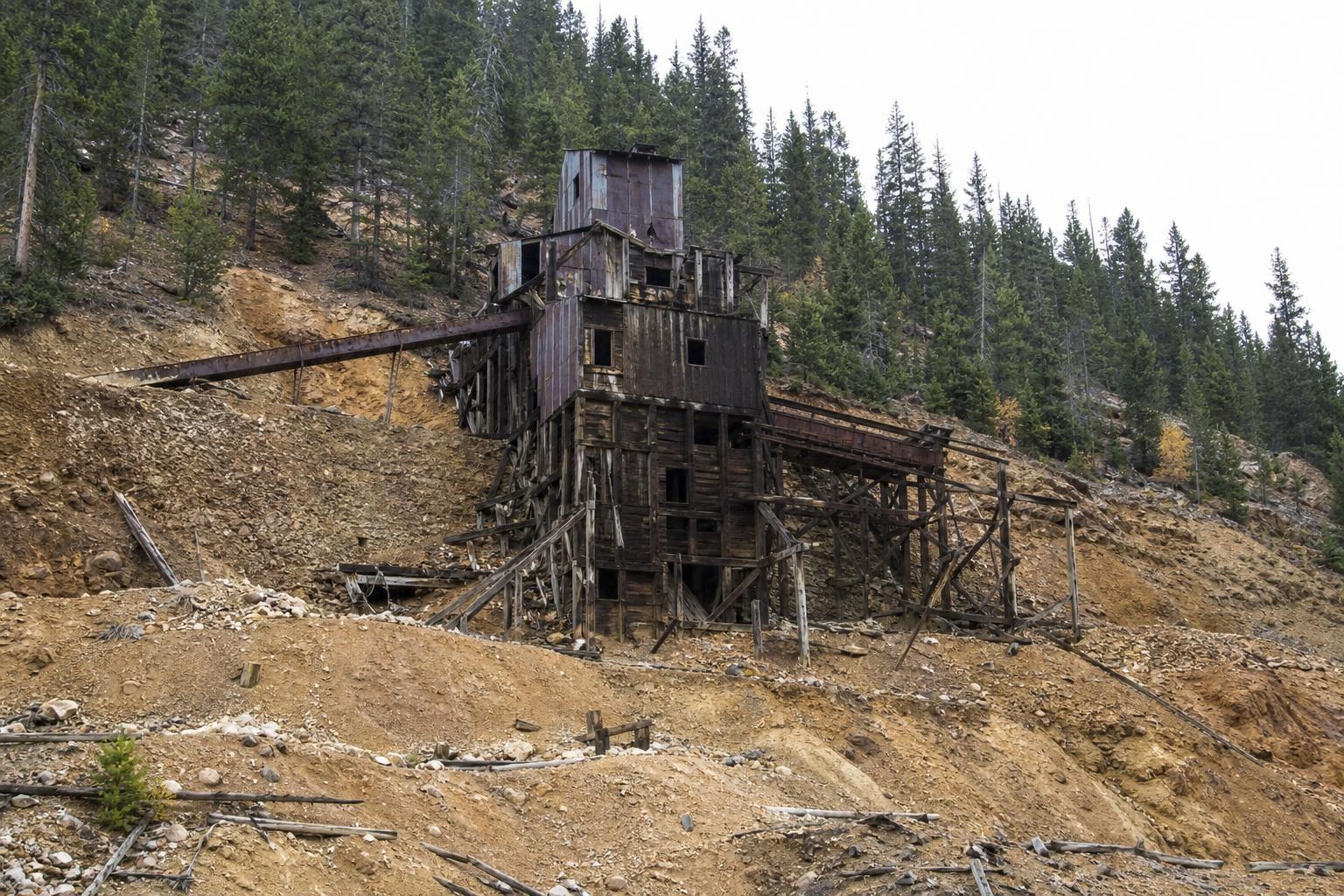
The road curls through the Idaho backcountry, past creeks the color of steel, toward a site that promised a new American foothold in cobalt. For a brief window, the camp thrummed with generators, fresh welds, and the buzz of an energy transition. Then, almost as quickly as it rose, the operation was put into care, its gates quiet beneath the alpine light.
In a season defined by surging EV ambitions, the mine’s rapid build and near-immediate mothballing became a parable of modern commodities. “Faster than we could hang the last pipe, the market turned,” goes the kind of line you hear from people who lived the whiplash. It’s become shorthand for the costs of betting on a future that refuses to move in a straight line.
A boom built on blue metal
Cobalt is the quiet enabler of high-energy-density batteries, stabilizing cathodes so EVs can push range and performance. The world’s supply has long leaned on the Congo, while most refining flows through China. Washington, wary of strategic dependence, has spent years sketching a domestic chain.
That’s why a primary cobalt mine in Idaho loomed so large. It was a symbol as much as a project: a rugged, Rocky Mountain statement that the United States could still dig, mill, and ship a strategic metal without a passport check.
The Idaho bet
Tucked near Salmon, the underground works took shape with a mill, a portal, and a small city of modular buildings. Crews cut access, ran power, and rehearsed the choreography of turning ore into concentrate under a tight sky. The operator finished the plant, began initial mining, then paused for breath as prices and capital evaporated.
“Build a future, then wait for it to arrive,” someone might say with a shrug. The site didn’t vanish; it shifted to maintenance, with pumps, patrols, and a meticulous plan to keep a brand-new asset from sliding backward into weather.
Whiplash economics
The speed of the reversal wasn’t mystical. Cobalt prices fell as EV growth normalized, chemistries with less cobalt (notably LFP) grabbed share, and Indonesian nickel intermediates flooded markets. Refiners and traders sat on inventories, and financing got scarcer as the cost of money climbed.
- Prices softened just as construction costs peaked
- Battery chemistries shifted and procurement stalled
- Alternative supply expanded faster than demand absorbed
- Investors demanded near-term cash over strategic optionality
“In mining, time is currency—and in battery metals, that currency can inflate or collapse almost overnight,” goes another line that captures the mood. A project that looks robust at $30 per pound can look precarious at $15, especially when the first truckload is still on the horizon.
People and place
A mine is more than steel and shafts; it’s the diner that starts opening early, the hardware store that stocks odd flanges, the rental that finally pencils. When the switch flips to idle, the ripple moves through those rooms. Some workers pivot to contracting, some drive longer to other pits, and some leave for distant basins where the cycle still spins.
Yet the site itself remains a presence—a ghost campus of gleaming buildings set against snow and fir. Teams still check pumps, test sensors, and keep the underground from turning into a swimming pool. Hope hangs on the hinges: “Shut is not gone; shut is waiting.”
Policy, prices, and the long game
The national calculus runs hotter than the local weather. If the United States wants diversified supply, it must learn to bridge the valleys between commodity peaks. Tools exist—low-cost loans, offtake guarantees, stockpiles, permitting clarity—but they rarely arrive with the speed a volatile market demands.
At the same time, chemistry is a moving target. Each percentage point of cobalt shaved from a cathode nudges the demand curve, even as grid storage, aviation trials, and premium EVs still crave energy density. Recycling advances, too, teaching the system to harvest yesterday’s phones for tomorrow’s cars.
What it would take to restart
To turn the lights fully back on, the recipe is both simple and hard. A firmer price floor. Clearer visibility on multi-year offtakes. Maybe a twist—co-product copper or precious metals that steady the cash flow. And, crucially, a financing stack that can hold its nerve when curves bend and headlines shout.
“Commodity projects don’t fail or succeed; they find their window,” veterans like to say. The Idaho asset already cleared the most unforgiving hurdle—it was built. That buys optionality time can’t easily create.
A lesson written in the mountains
This story reads less like a failure than a syllabus for the energy transition: volatility is a feature, not a bug; supply chains are strategic, not merely efficient; and geography still matters, even in a world of global flows. A mine can be both shuttered and ready, both local and geopolitical, both paused and braced to run.
Up on the ridge, the wind carries a low, steady sound. “Build, pause, adapt, repeat,” it seems to say. In the cadence of the mountains and the market alike, that may be the only durable plan.
