
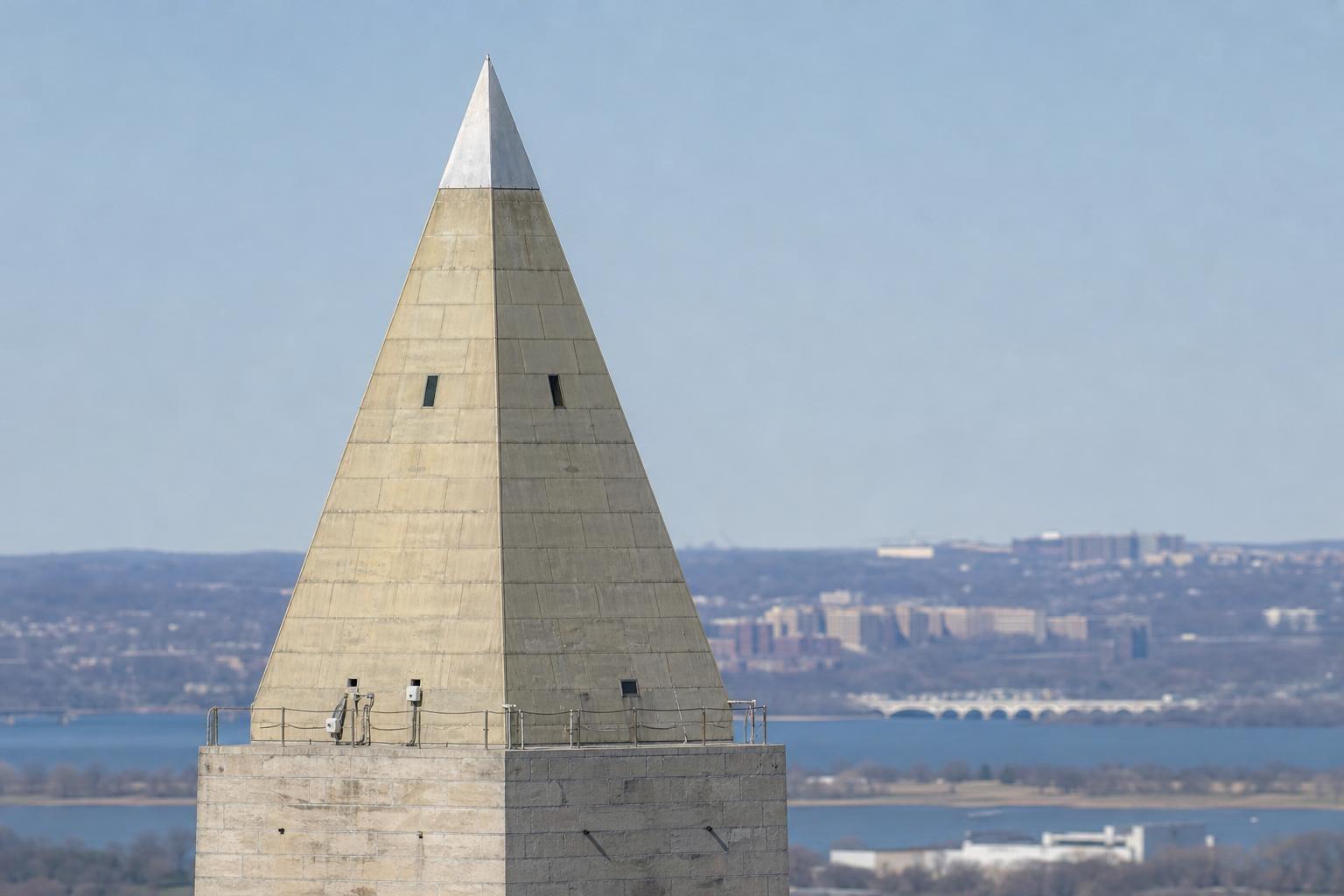
In the late Gilded Age, a small, gleaming pyramid of aluminium crowned the nation’s tallest stone. To eyes on the ground, it seemed to catch the sky, flashing with a brightness both modern and elemental. People whispered that the metal was “as dear as silver,” and they weren’t far off. In a moment obsessed with progress, the choice signalled an ambition both technical and symbolic: America would finish its most visible monument with a material straight from the future.
A metal rarer than it seems
In the 1880s, aluminium was astonishingly scarce. Extracting it from bauxite demanded chemistry as delicate as watchmaking and as expensive as luxury goods. Before the 1886 Hall–Héroult breakthrough, metallurgists relied on cumbersome processes that yielded small quantities at great cost. By weight, the price could rival silver, making the metal a showpiece for status rather than a staple for industry.
Contemporaries called it a “new metal for a new age,” a bright, untarnishing substance with a temperament unlike iron or copper. Legends even claim imperial banquets used aluminium cutlery, reserving gold and silver for lesser guests—a story, apocryphal or not, that captures aluminium’s early mystique. Rarity gave the metal an aura of wonder, which made it an inspired choice for a national crown.
Crafting a modern apex
The final piece was cast by William Frishmuth, a Philadelphia metallurgist known for experimental work. The result was a small pyramid—about nine inches tall and weighing roughly 100 ounces—precisely shaped to sit atop the marble capstone. Before installation, it was briefly exhibited to the public, drawing curious onlookers to a material they had scarcely seen. One visitor reportedly sighed, “It looks like a captured lightning, frozen into a flawless point.”
Choosing aluminium was not just fashion. Engineers wanted a cap that would resist corrosion, conduct electricity, and keep its lustre in the weather. Aluminium forms a thin oxide skin that seals it against dulling air, a self-protecting trick that 19th-century observers found almost magical. As a literal high point, it needed to work as well as it wowed.
Lightning, luster, and meaning
Set in place in December 1884, the cap did double duty: it finished the monument’s elegant profile, and it served as a functional lightning terminal. Storms have peppered it for generations, leaving tiny marks that read like the sky’s own handwriting. “The point lives in a different climate,” one keeper joked, “where clouds are regular neighbors.”
That high polish translated to symbolism. Aluminium’s sheen suggested purity, clarity, and a forward-looking nation. To end the long, tumultuous construction with a cutting-edge metal was a small act of manifesto—a declaration that American memory would be framed by American modernity. From far below, the tip seems to glow with its own resolve, giving the stone shaft a final, weightless grace.
When scarcity vanished
Two years later, the Hall–Héroult process changed everything, making aluminium cheap, scalable, and industrially available. What had been precious became practical, flooding into cookware, aircraft frames, and electrical systems. The apex at Washington shifted from elite oddity to familiar metal, its wonder traded for quiet ubiquity. That reversal is part of its enduring charm: a tiny museum of a vanished economy, still working atop a living landmark.
Engineers and historians often point to this cap as a hinge moment—the instant before a technology tips into everyday life. “It’s the sparkle of the last rarity,” some say, “before modernity turned sparkle into standard.” Standing beneath it today, you can feel the tension between past scarcity and present abundance.
Fast facts from the very top
- Weight: roughly 100 ounces, fashioned from nearly pure aluminium
- Dimensions: about nine inches tall, with crisp, pyramidal faces
- Installed: December 1884, completing the vertical line
- Purpose: decorative finish and active lightning protection
- Maker: William Frishmuth, Philadelphia metallurgist
What the cap still says
Look up on a cold, clear day, and the apex throws a quick, sharp flash—a blink of modern light from a 19th-century dream. It reminds us that materials have stories, and that price can be as much about knowledge as about nature. The stone speaks the language of endurance; the metal whispers of experiment and risk. Together they stage a quiet dialogue between permanence and possibility.
In that sense, the tiny cap is an outsized essay in national character. It is practical and poetic, scientific and ceremonial, a conductor of lightning and a conductor of meaning. To trace its gleam is to watch the country try on a new century, testing a glinting idea at the very edge of the sky. As one visitor put it, “From so small a piece, so much height—and from so new a metal, so much promise.”
