
The Sun is not just a bright light in the sky; it is a restless engine capable of eruptions that bend Earth’s magnetic shield. In 1859, a ferocious burst of solar energy electrified telegraph wires, ignited paper, and painted skies with auroras far from the poles. If a storm of that magnitude struck now, the consequences for a deeply electrified society—and especially the U.S. power grid—would be visceral.
A storm written in wire
In the telegraph era, the world’s metal nerves were thin and few; today they’re dense and intertwined. A similar solar eruption would thread through modern conductors, pushing unwanted currents into equipment designed for tidy alternating flows. “Space weather turns the grid into an antenna,” as one utility engineer likes to say.
The grid’s Achilles’ heel
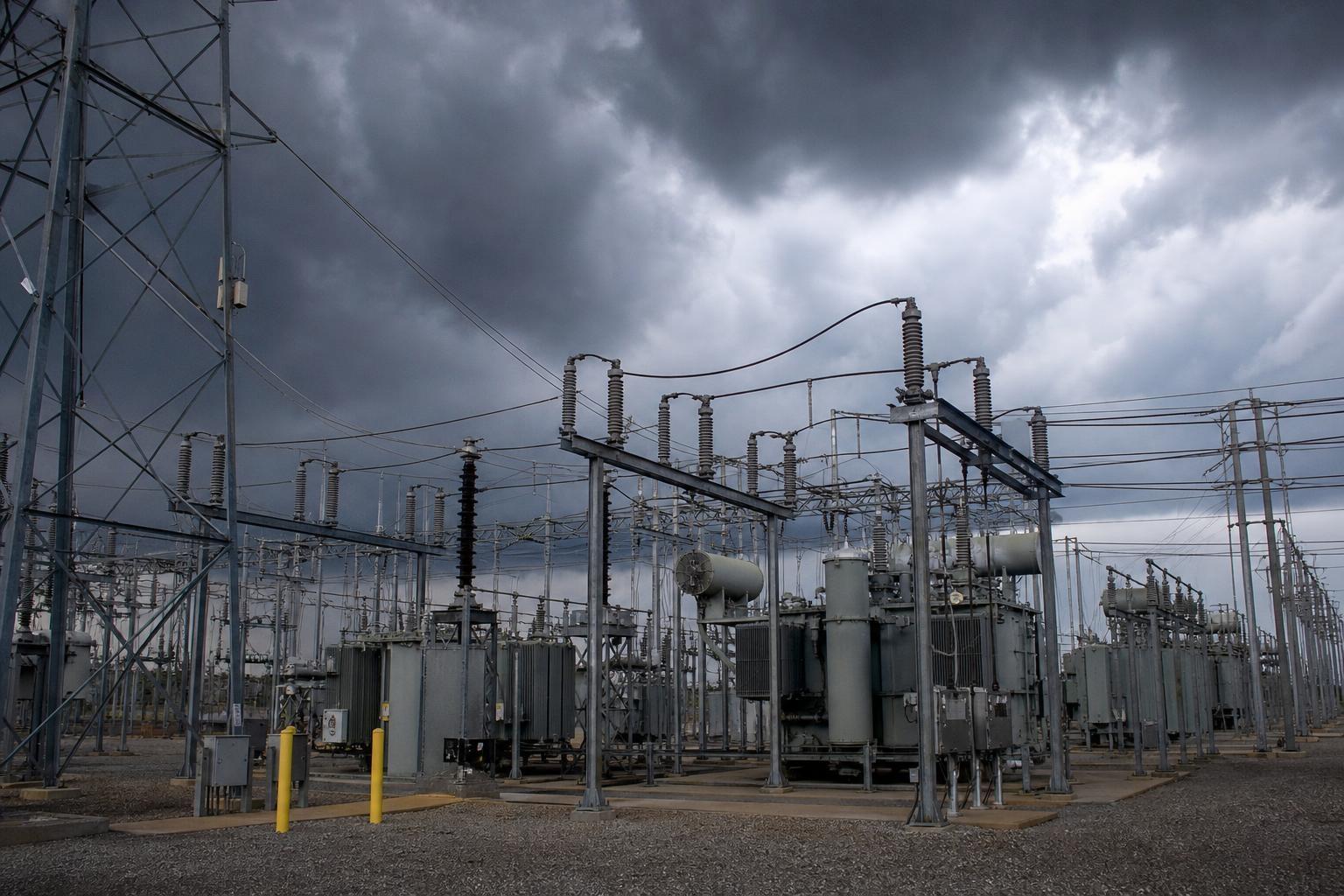
Geomagnetic disturbances drive quasi‑DC currents, called GICs, through long transmission lines and into massive transformers. Those currents can saturate iron cores, causing overheating, vibration, and protective trips that cascade across regions. In worst cases, large EHV transformers can be permanently damaged, a failure that takes months to replace due to size, cost, and supply-chain limits.
How the first hours unfold
With little warning beyond a few hours of space-weather alerts, grid operators would scramble to reduce loading on vulnerable corridors. Lines at high latitudes and over resistive ground (think northern states and parts of Canada) would feel the strongest surges. Expect rolling outages, voltage sags, and controlled islanding to prevent broad collapse.
Cascades beyond electricity
Power is the first domino, but many others would follow. Cellular networks rely on towers with limited backup fuel, data centers gulp megawatts, and water utilities need pumps that don’t run on hope. “You don’t lose the internet,” one researcher notes, “you lose the power that keeps the internet alive.”
The quiet hazards aloft and underground
Satellites would endure storm‑driven drag, radiation spikes, and navigation errors, degrading GPS timing that many systems quietly depend on. Long pipelines could pick up currents that accelerate corrosion, while undersea cables face voltage offsets in repeaters across ocean‑scale spans. Aviation may reroute polar flights and lean on alternative comms as high‑frequency radio grows noisy.
What might fail first
- High‑latitude bulk power corridors experiencing deep GICs
- Aging or heavily loaded transformers encountering saturation
- Timing‑dependent services as GPS signals degrade
- Communication backhaul where backup power is thin or short‑lived
The human timeline
For many, the first sign is a phone that loads slowly, traffic lights that blink, and maps that lose precision. Hospitals flip to generators, and utilities issue careful pleas for conservation and patient expectations. In pockets where major hardware is lost, restoration shifts from hours to weeks, then months for bespoke replacements.
Why this isn’t a guaranteed catastrophe
Operators are not blind to the threat; they model storms, practice playbooks, and install monitors that track geomagnetically induced currents in real time. NERC standards push utilities to study and harden networks, deploying series capacitors, better grounding, and improved procedures. Forecast centers provide alerts that let dispatchers pre‑position resilience by lowering loads and reconfiguring flows.
The stubborn risks that remain
You can’t quickly move a 300‑ton transformer, and you can’t rapidly manufacture dozens when the world wants them simultaneously. Long lines crossing resistive geology will always be antennas, and the economics of redundancy fight everyday cost pressures. “You can black‑start a plant,” one operator quips, “but you can’t black‑start a melted core.”
A playbook for a hard day
The smartest response blends prevention with graceful degradation. That means acting on forecasts, shedding load preemptively, and using islanding to keep critical pockets energized. It also means boring investments—spares, training, and coordination—that pay dividends only when the sky decides to roar.
After the storm
When the magnetic seas calm, audits begin: thermal imaging, oil sampling, and forensic data to find silent scars. Regions that rode through with maneuvers come back in hours; places that lost heavy iron may count time in slow shipments and engineering windows. The event would not end civilization, but it would reveal how much our daily calm depends on unseen fields and humming steel.
A century and a half ago, sparks leapt from keys and paper smoldered on wooden desks. Today, the stakes are higher, but so is our craft: better warnings, smarter grids, and a clearer sense that resilience is a choice, not a wish. In space weather, as in power, preparation beats luck every time.
