
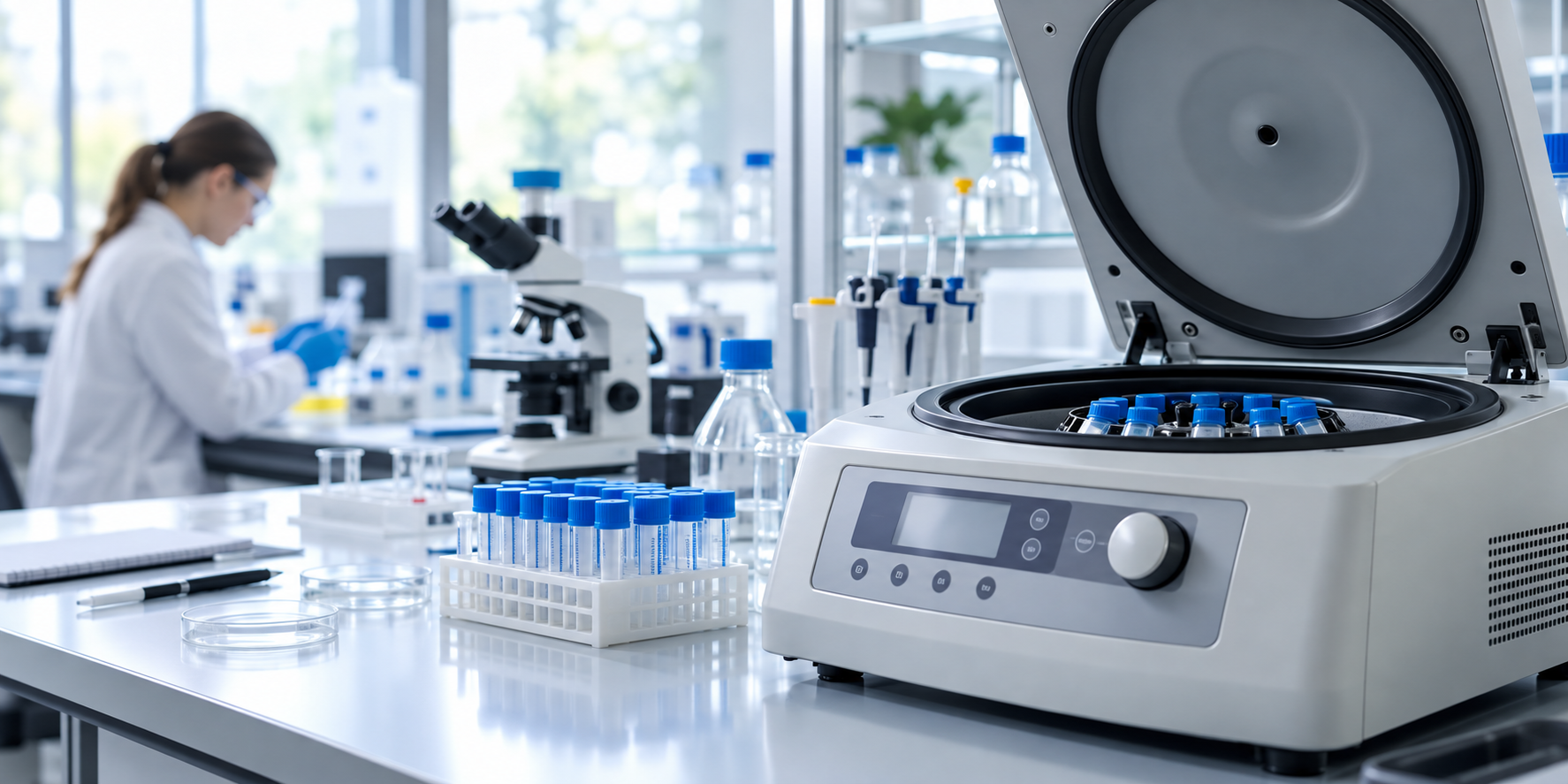
Refurbished Laboratory Equipment, a Growing Alternative in Research
With the rising cost of scientific equipment and environmental concerns, refurbishing laboratory gear is progressively taking on a larger role in equipment strategies. This shift affects not only research laboratories but also healthcare facilities, universities, and biotechnology companies.
Unlike merely used equipment, refurbished devices undergo several quality-control steps before being reintroduced to the market. Depending on the type of instrument, this may include inspection, cleaning, replacement of defective components, and various tests to verify its operation.
This approach helps extend the useful life of scientific equipment whose design and performance can continue to meet laboratory needs for many years.
The Need to Replace Expensive Scientific Equipment
Centrifuges, incubators, microscopes, precision balances, and thermocyclers represent substantial investments. Replacing them systematically with brand-new devices is therefore not always necessary when existing equipment can be restored and tested.
The refurbished market enables professionals to access laboratory centrifuges from well-known manufacturers while giving a second life to devices that have already been produced.
This approach also carries environmental benefits. Reusing existing equipment prevents a still-usable device from becoming premature waste and reduces the need to manufacture new machines from scratch.
Reconditioning Requires Genuine Technical Expertise
Not all second-hand devices can be considered refurbished. The reliability of the equipment depends directly on the checks performed before it is put back into service.
The equipment’s history, its overall condition, the availability of spare parts, and the ability to test its main functions are among the factors to consider. For laboratories, the main challenge remains obtaining equipment that is compatible with their protocols and technical requirements.
Specialized companies in refurbished laboratory equipment, such as Rewake, position themselves in taking back and refurbishing professional scientific equipment to give them a new cycle of use.
Towards a More Circular Economy in Laboratories
The growth of refurbishment illustrates a broader shift in how laboratories view their equipment. Purchasing new remains essential in certain situations, but it is no longer necessarily the only option considered.
By combining longer lifespans for devices, control of investments, and a reduced rate of systematic replacement, refurbishment contributes to a more circular approach to scientific hardware.
Towards a More Circular Economy in Laboratories
The development of refurbishment signals a broader evolution in how laboratories plan their equipment. New purchases remain indispensable in some situations, particularly when very recent technology or specific performance is required, but they are no longer automatically the only option. Refurbishment can also allow laboratories to continue using models they already know.
👉 A small gesture for Space Group? Follow us on Google, add us to your favorites, and find us on Google News so you don’t miss any discoveries.
