
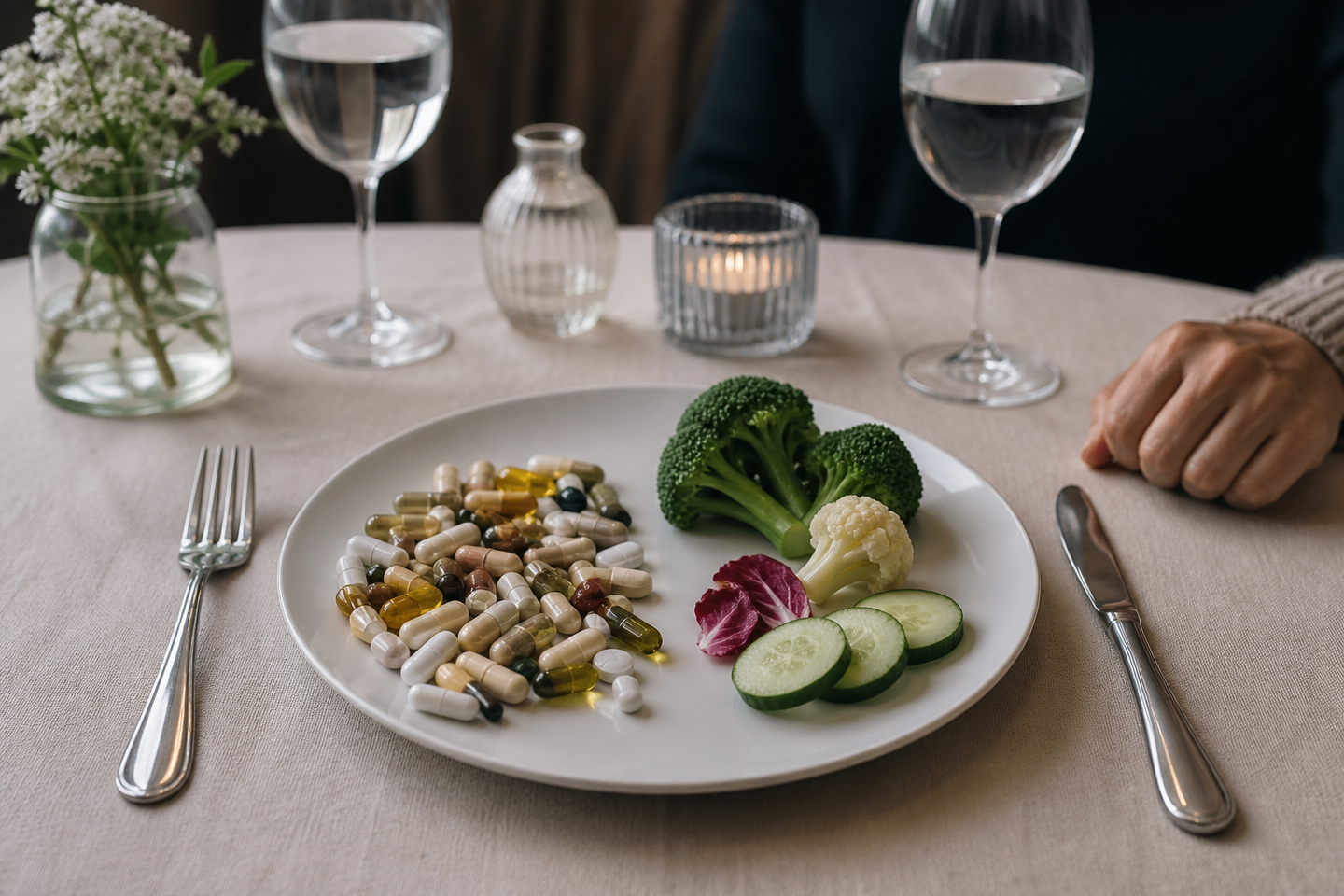
In an oncology waiting room, a patient scrolls through their phone while awaiting an infusion. On the screen, a video promises to “defeat cancer” through strict fasting. A few metres away, a nurse prepares chemotherapy. Two worlds that should remain separate, but collide more and more each day in patients’ lives. For behind the reassuring screen of social media lies a much darker reality: treatments interrupted, bodies weakened, and sometimes lives shortened because of false beliefs taken for truth.
- Prolonged fasts and strict diets risk causing malnutrition that reduces tolerance to treatments and may require a reduction in doses.
- Dietary supplements taken without medical advice can disrupt the elimination of anticancer therapies and cause kidney or liver damage.
- Certain practices such as the “cellular deprogramming” or urine therapy can keep patients away from effective medical care for extended periods.
- When the sugar fear replaces trust in medicine
- Fasting, this false promise that exhausts already fragile bodies
- Dietary supplements, the false good idea that poisons treatments
When the sugar fear replaces trust in medicine
On forums and social networks, one idea keeps resurfacing: sugar “feeds” tumors and must therefore be eliminated entirely from the diet to hope to heal. This belief, scientifically debunked, continues to circulate widely, to the point of becoming a genuine obsession for some patients. Behind this fear lies often a legitimate desire to reclaim control over a disease that defies logic. The problem is that this demonisation is sometimes accompanied by a broader rejection of so-called “modern” medicine, seen as too chemical, too cold, too far removed from the body. This climate of distrust, nourished by critiques of “the system,” opens the door to dangerous interpretations, where diet becomes a treatment in itself, at the expense of proven protocols.
Fasting, this false promise that exhausts already fragile bodies
In the same vein, fasting has taken hold as an appealing practice for many patients seeking levers of action. The idea that “ depriving ” cancer cells of food could slow the disease is seductive, but it clashes with a brutal physiological reality: a body already weakened by cancer and its treatments needs resources, not deprivation. Strict diets or prolonged fasts pose a real risk of malnutrition, which further weakens the organism, reduces tolerance to treatments and may lead to lower doses administered, with a negative impact on prognosis. Some patients, exhausted, even have to temporarily suspend care to regain strength, a paradox when the initial aim was precisely to better resist the disease.
Dietary supplements, the false good idea that poisons treatments
Vitamins, plant extracts, products marketed as “anticancer shields”: dietary supplements attract many patients, often taken without informing their medical team. Some products sold in this context, linked to biologists previously convicted for the illegal practice of medicine, prove ineffective, or even dangerous. The risk is not negligible: these substances can disrupt the elimination of anticancer therapies by the body, causing interactions sometimes severe, such as kidney or liver damage. Added to this are other distortions, including diverted qi gong, urine therapy, or “cellular deprogramming” inspired by the controversial movement founded by Ryke Geerd Hamer, which claims to treat cancer by resolving a supposed “psychological knot.” Parallel journeys that, without supervision, can distance patients from the care that actually works.
- Diabolisation of sugar presented as a standalone treatment
- Prolonged fasts weakening the already fragile body
- Dietary supplements taken without medical advice
- So-called “cellular deprogramming” or “biological decoding” practices
In the face of this wave of false beliefs that invades care protocols, the solution is not to deny patients’ needs, but to foster dialogue. Better information, listening to support expectations, and restoring a climate of trust between patients and clinicians seems to be the only durable path. Because behind every miracle diet or supplement swallowed in secret, there is often a legitimate anxiety—the fear of not enduring the disease passively. It is up to conventional medicine to learn to listen better, so as not to leave room for the merchants of illusion.
