
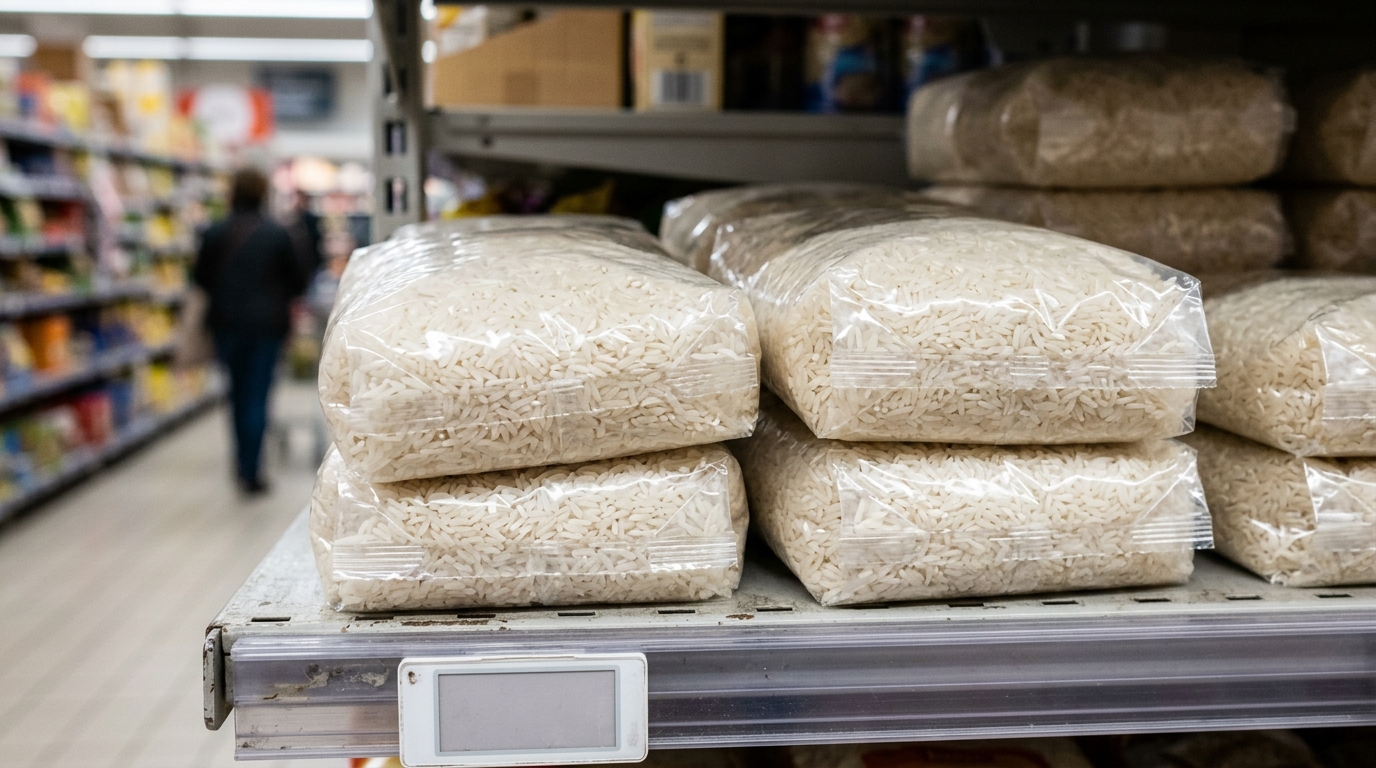
Forty bags of rice were scrutinized, and fifteen of them contained pesticide residues. Two figures that invite reflection, especially knowing that this staple sits in the cupboards of almost every French household. A thorough study made it possible to compare references sold in supermarkets and in organic shops, and the verdict is unequivocal: not all varieties are of equal quality. Between a everyday cereal and a public health concern, it’s hard to view one’s rice the same way after this. So, which variety harbors the most unpleasant surprises, and which deserves a prime place in the cart? Here are the elements of an answer.
- Non-organic basmati rice concentrates the worst scores, with residues of tebuconazole and cypermethrin, molecules potentially carcinogenic and toxic to reproduction.
- Thai and Camargue rices, cultivated with less intensive methods, show an almost complete absence of pesticides.
- To limit risks, it is better to favor organic basmati or Thai/Camargue varieties, rinse rice before cooking, and vary starches.
- Non-organic basmati rice, an unexpectedly poor performer in the ranking
- Tebuconazole and cypermethrin, these molecules that raise questions
- Thai and Camargue, the rices that restore confidence
Non-organic basmati rice, an unexpectedly poor performer in the ranking
Among the forty references analyzed, more than one third display detectable pesticide traces, some even exceeding the limits set by European regulations. And it is the non-organic basmati rice, often imported from India or Pakistan, that accumulates the most negative notes. Four references thus earn the lowest scores in the study, between 8 and 9 out of 20. Geographic origin and farming practices play a decisive role in the final quality of the product that lands on our plates.
Tebuconazole and cypermethrin, these molecules that raise questions
Behind these poor scores lie two very specific substances: tebuconazole and the cypermethrin. These molecules are classified as potentially carcinogenic, mutagenic, and toxic to reproduction. Prolonged exposure to this type of residue, just like to arsenic found in certain foods, can have health consequences, particularly for the reproductive system and fertility. Children and the most sensitive individuals are especially affected by these risks. This should encourage a closer look at the label before filling your cart.
Thai and Camargue, the rices that restore confidence
Good news: not all rice deserves this level of mistrust. In contrast to the ranking, Thai and Camargue rices stand out for an almost complete absence of pesticide traces. These traditional varieties, whose productivity potential remains limited, are grown with less intensive practices, which largely explains these favorable results. Camargue rice, produced in France under strict standards, represents an interesting local alternative. One caveat, however: these rices can contain inorganic arsenic, naturally present in some soils. Nothing alarming, though, as this level remains very low and poses no health risk according to the data gathered.
In light of this finding, a few simple habits help reduce daily exposure.
- Favor organic basmati rice, grown without chemical pesticides
- Choose Thai or Camargue rice rather than imported non-organic basmati
- Rinse the rice thoroughly with cold water before cooking to remove part of the surface residues
- Vary starches by alternating with quinoa, bulgur, or lentils
In the end, this study reminds us that an everyday staple like rice deserves careful selection. Check the origin, favor organic or local varieties, diversify starch sources: so many small actions that, when added up, make a real difference in the long term. And could the next bag slipped into your cart be the occasion to try Thai or Camargue rice?
