
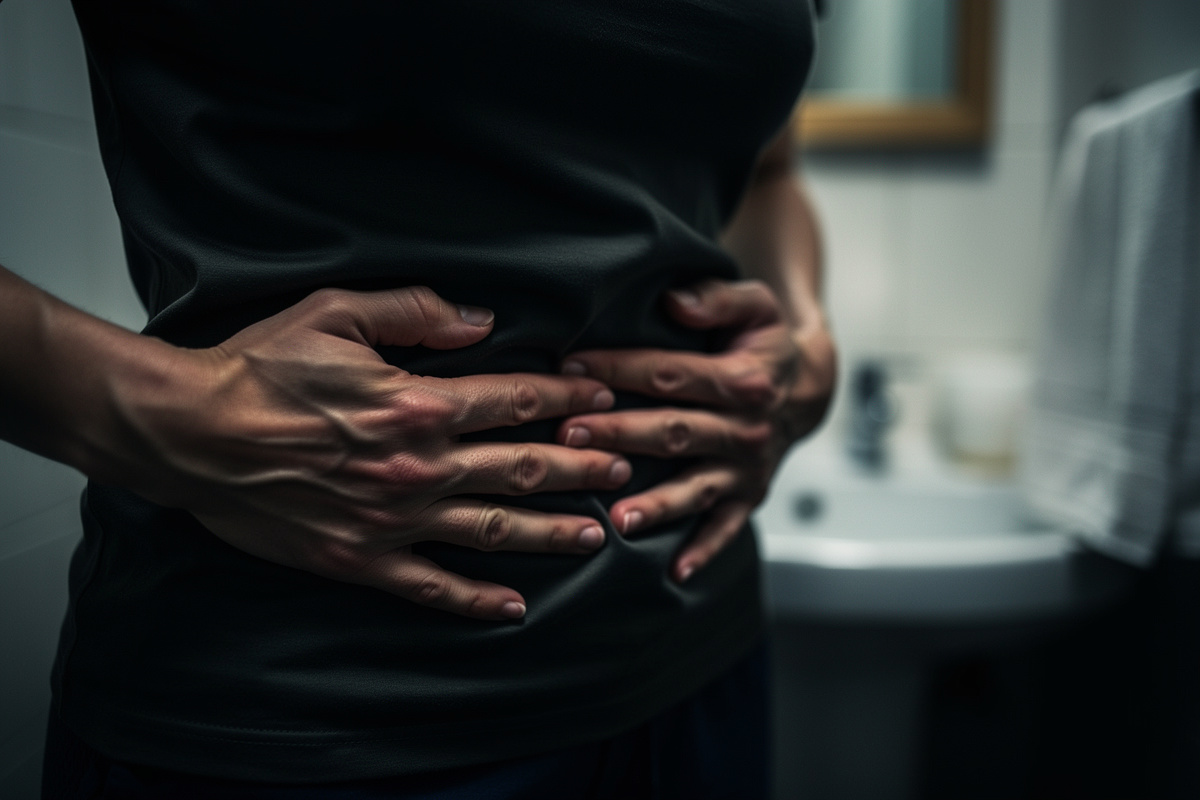
A change in color of the toilet bowl is never exactly a glamorous topic. Yet, as autumn settles in and minor digestive discomforts multiply with the seasonal shift, some signals deserve more attention than a shrug. Stool that is abnormally pale, almost chalky, is often attributed to a fatty meal or a finicky stomach. But when this symptom combines with two other precise clues, the situation takes a far more serious turn. This trio of signs, still too little known to the general public, can actually point toward a pathology affecting a discreet but essential organ: the pancreas.
- Pale stools associated with dark urine and painless jaundice signal a blockage of the bile ducts often linked to a pancreatic tumor.
- The tumor’s location determines the symptoms: painless jaundice for the head, back pain for the body, a long absence of signs for the tail of the pancreas.
- In the face of this trio of symptoms, a quick consult and targeted imaging (ultrasound, CT scan, or MRI) are essential without delay.
- When stool color betrays more than a digestive trouble
- The trio of symptoms that changes everything: pale stools, dark urine, yellow skin
- Why the pancreas becomes the number one suspect
- In the face of these signals, imaging must no longer wait
When stool color betrays more than a digestive disturbance
We instinctively link a change in bowel movements to a story of diet, stress, or a transient virus. Stool lighter than usual quickly suggests an excess of poorly digested fats or a classic gastroenteritis. This explanation, reassuring and often accurate, hides another possibility that is rarer but real: a problem with bile drainage. This substance produced by the liver normally gives stool its characteristic brown hue. When its path to the intestine is impeded, the color changes drastically, turning to a pale gray or dull white that should immediately raise concern.
This detail, often neglected or minimized, can actually form the first link in a chain of revealing symptoms. The human body functions like a system of highly efficient communicating vessels, and the slightest blockage in the bile circuit reverberates across several organs at once. It is precisely this cascade effect that should trigger alarm, because it never stays limited to a single isolated sign.
The trio of symptoms that changes everything: pale stools, dark urine, yellow skin
It is precisely the combination of several manifestations that turns a simple digestive nuisance into a true warning signal. Alongside the pale stools, there may be abnormally dark urine, a shade close to strongly brewed tea, as well as a progressive yellowing of the skin and the sclera, known as jaundice. This trio, far from benign, indicates a very specific phenomenon: bilirubin, a pigment derived from the natural breakdown of red blood cells, accumulates in the blood instead of being eliminated normally by the intestines.
Itching can also intensify this clinical picture, making daily life particularly uncomfortable. Hepatitis remains one of the most common causes of this jaundice, which explains why the initial reflex often points to the liver rather than another organ. This hypothesis, while legitimate, should not cause us to forget another route, less well known but just as important to consider when the three symptoms occur together and without particular pain.
Why the pancreas becomes the number one suspect
Behind this blockage of bile lies sometimes a pancreatic tumor, an organ nestled deep in the abdomen and long silent before making itself known. In a majority of cases, the mass develops at the head of the pancreas, a strategic region adjacent to the bile duct, the very channel that carries bile from the liver to the intestine. By pressing on this duct, the tumor prevents the normal drainage of bile, causing jaundice that is notably painless, unlike what one might expect.
This same location can also compress the nearby duodenum, leading to vomiting, and sometimes render the gallbladder palpable under the fingers, a phenomenon known as Courvoisier–Terrier syndrome. When the tumor sits in the body of the pancreas, deep back pain predominates, often mistakenly confused with a simple lumbar ache related to poor posture or physical exertion. A location in the tail of the pancreas remains the most insidious, as it stays quiet longer, delaying diagnosis. This cancer, still today, is far too rarely detected early, as digestive symptoms typically appear only at an advanced stage, accompanied by notable weight loss and general fatigue that is hard to ignore.
In the face of these signals, imaging must no longer wait
In the face of this combination of symptoms, waiting is never the best option. Pale stools together with dark urine and painless jaundice actually signal obstruction of the bile ducts and require rapid medical evaluation, usually through targeted imaging of the pancreas and bile ducts. An abdominal ultrasound, supplemented if necessary by a CT scan or an MRI, most often helps precisely locate the source of the blockage and orient the management.
Of course, this is not a call to panic at the slightest change in stool color, as many much more benign causes exist, starting with certain medications or a simple viral hepatitis. However, when this sign is accompanied by dark urine and yellowing of the skin, seeking rapid consultation becomes a priority, without waiting for other more painful symptoms to join the picture. The pancreas, a discreet but essential organ for digestion, deserves vigilance commensurate with its often underestimated role.
Behind a symptom that seems so banal as a change in stool color can lie a much more complex story than a capricious digestion. Learning to recognize this trio of signals, and especially to keep them connected rather than treating them in isolation, would likely save precious time in screening for conditions that are still too often diagnosed late today. A question then arises: what if we paid a bit more attention to these everyday details that we usually prefer to ignore?
