
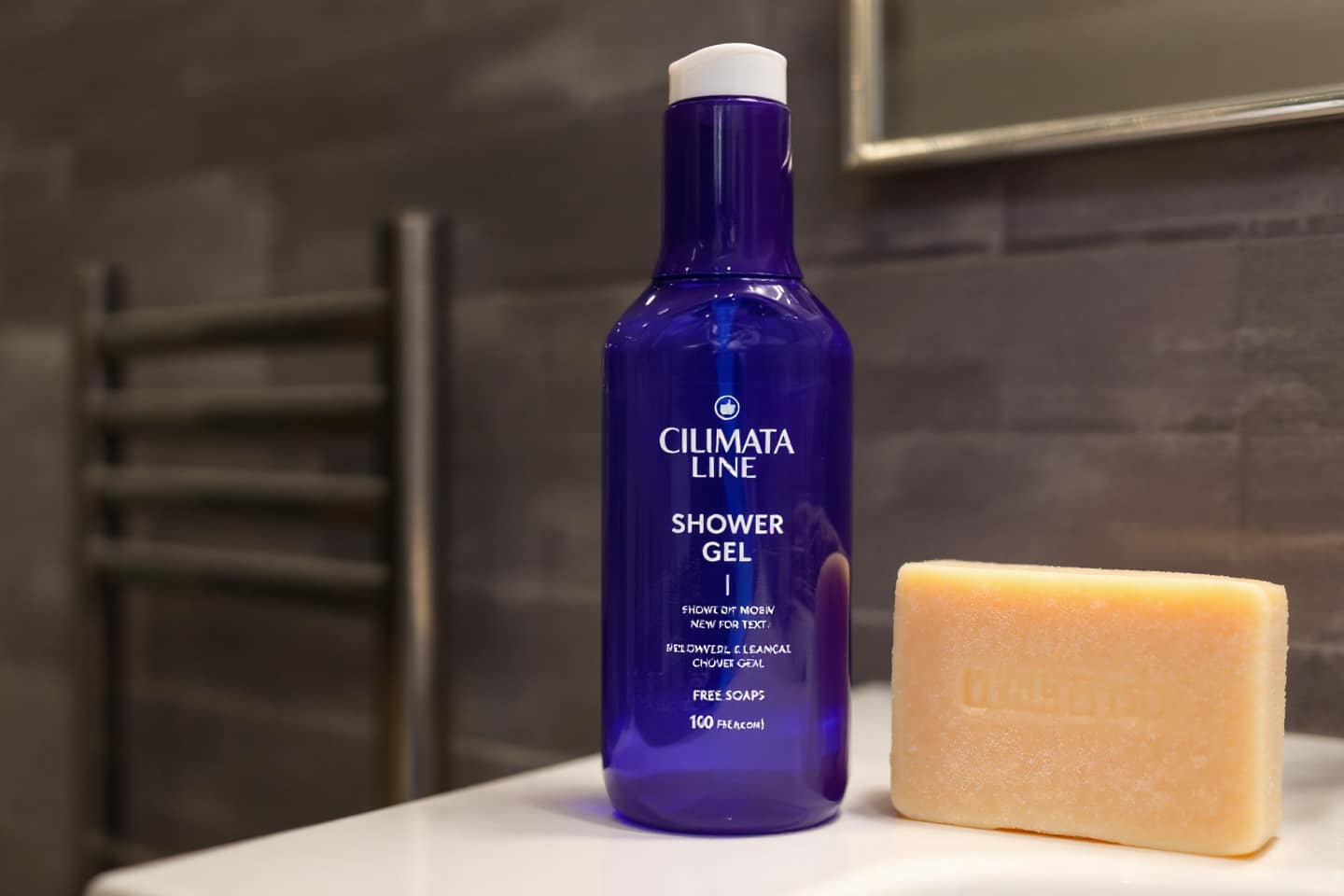
Every morning in France, the question arises almost as surely as the crowing of the rooster: trendy shower gel or traditional bar of soap? Once a simple routine, the act has become a real topic of debate, between concerns for skin health and a wish for gentleness. Behind the scented foam of our bathrooms lies a reality more complex than it seems… So, should we yield to the allure of sensory pleasure — or take the time to uncover the secrets hidden in our cleansing products?
The shower duel: a matter of sensation… and health!
Why does this choice obsess our bathrooms so much?
In France, the bathroom is a sanctuary. Each morning we relearn the importance of feeling good… in our skin. Shower gel or solid soap, this choice is no longer trivial: it reflects a pursuit of well-being, safety, even naturalness. Marketing campaigns tout softness, freshness, or sensuality, but behind the packaging, it is our skin that decides. Over time, this opposition has evolved into a genuine question of health and comfort.
The misconceptions that cling to the skin: softness or stripping?
How many still wrongly associate soap with dryness and shower gel with gentleness? Some skin types react poorly to shower gel despite its benevolent image, while others struggle with traditional soaps. This persistent confusion fuels the blur on the real impact of each product, and makes the choice even more complex.
Under the lens: what do shower gels and soaps really contain?
A chemical cocktail or an ancient recipe?
Traditional soap is the fruit of saponification, an ancient process combining a fat and a base. Shower gel, by contrast, is a more modern blend including surfactants, water, moisturizing agents, often colorants and fragrance. Under its more liquid texture lies a very different formula, sometimes less natural than one might think.
Surfactants, fragrances, preservatives: who are the real culprits?
Shower gels are packed with surfactants (cleansing agents), sometimes harsh on the skin, with preservatives needed to prevent microbial growth, as well as synthetic fragrances. Some industrial soaps are not far behind, using additives that can dry out or irritate the epidermis. In any case, vigilance is necessary, especially for vulnerable skin.
Sensitive, dry, or atopic skin: beware, danger!
The domino effects of a fragile skin
For already fragile skin — dry, atopic, reactive — the wrong product can trigger a harmful spiral: tautness, redness, itching. A product that is too stripping or ill-suited disrupts the protective hydrolipidic film, leaving the skin vulnerable to everyday aggressors.
How to spot ingredients to avoid so as not to worsen the situation
It becomes essential to track, in the INCI list, certain allergens, aggressive sulfates or irritating preservatives. The terms “Sodium Lauryl Sulfate,” “fragrance” or “methylisothiazolinone” should set off alarms. Tip: the shorter the ingredient list, the better the skin fares.
When traditional soap is no longer so innocent
Soap, old friend turned hydratation’s foe?
Soap, that constant companion in French households, sometimes earns a mixed reputation. Its cleansing power is efficient, but it can come with a potentially drying effect. Saponified from lye, some soaps remove the natural lipid barrier and cause a heightened sense of dryness for many people.
The pH issue: why is everyone talking about it?
Most soaps display a basic pH (around 9), while the skin prefers a slightly acidic pH (around 5.5). This difference unsettles the skin’s flora and weakens the protective barrier. The respect for pH — long neglected — is now one of the major criteria when choosing a body cleanser.
Moisturizing shower gels: marketing promise or reality?
What the labels “gentle” and “nourishing” really hide
The label “moisturizing,” so widespread, does not guarantee the absence of stripping agents nor the real effectiveness for parched skin. “Nourishing” shower gels attract with their creamy texture and comforting scent, but may contain silicones, mineral oils or other long-term problematic ingredients.
The invisible traps of modern formulas
The risk? Falling into the trap of a product that is too scented, too “sensorial,” yet ultimately aggressive to the skin. Modern shower gels bet on the experience, often at the expense of the composition. Yet a truly pampered skin asks for simplicity and alignment with its real needs.
No-soap soaps (solid syndets): the gentle revolution
What is a solid syndet and why is it making waves?
No-soap soaps, also called syndets (for “synthetic detergent”), are now emerging as an innovative alternative. These solid bars contain mild cleansing agents, adjusted to respect the skin’s barrier. Unlike traditional soaps, they display a pH much closer to that of the skin, thereby minimizing the risk of dryness.
How they respect the skin barrier while cleansing effectively
The secret of syndets? Formulations without traditional soap, without caustic lye, and with strong lipid-replenishing power. Result: a sense of cleanliness, but without aggression or tightness. They are especially suitable for sensitive or atopic skin, preserve the skin microbiome, and adapt to daily use from a very young age.
Making the right daily choice: tips for soothed skin
Read labels like a pro
Favor a gentle cleanser by always closely examining the composition. A dermatological syndet bar, a short list of ingredients, the absence of harsh sulfates or known allergens: these criteria are valuable allies. Do not hesitate to choose products labeled “high tolerance” or suitable for sensitive skin.
Tailor your routine to your skin, the season… and the environmental impact
The same product is not always suitable year-round or for all skin types. In winter, favor relipidating formulas; in summer, lightness and freshness. Also consider the environment: solid syndets, without plastic packaging, fit easily into a responsible approach.
Overview of studied alternatives, to finally prioritize skin care without compromising shower pleasure
Current trends show it: more and more French people are opting for next-generation solid cleansers. Syndets gradually gain ground due to their effectiveness, but also their gentleness, practicality, and low environmental impact. The skincare revolution goes through enlightened and sustainable habits: why hesitate to try this compromise that shakes up our routines while preserving our epidermis?
By rethinking our daily rituals, it becomes possible to reconcile sensory pleasure, skin respect, and environmental commitment. So, the next time you smell the fragrance of an enticing shower gel or cradle a creamy soap in your hand, ask yourself: could the best alternative be hiding… in a solid syndet?
