
There are monuments that age like fine wine, and others that threaten to topple before reaching forty. The Opéra Bastille clearly belongs to the latter category. Commissioned by François Mitterrand as the symbol of a culture finally accessible to everyone, this glass-and-concrete vessel planted on Place de la Bastille was meant to embody the modernity of a popular opera triumphant. By May 2025, the institution makes headlines for very bad reasons: its stage could literally collapse if nothing is done. A figure alone captures the scale of the problem: 400 million euros, more than half of what its construction cost 36 years earlier.
The Bastille Opera, or how a jury got the candidate wrong
The Bastille’s story begins with an anecdote almost comical, if it weren’t revealing of a certain amateurism at the outset. During the international competition launched to choose the architect of the future building, the jury believed it had selected the renowned Richard Meier, a recognized figure in contemporary architecture. In reality, it was Carlos Ott, then an almost unknown architect, who won the contest following a mix‑up in the handling of the records. The building nonetheless rose from the ground, inaugurated in grand fashion on the 13 July 1989 by Mitterrand himself, for a cost today equivalent to 784 million euros. A colossal sum for a edifice intended to symbolize opera for the people, open to all and for all.
This grand modern theatre of 2 715 seats, which opens more than 200 evenings per year, was to mark a break with the elitist image of traditional opera. But from the early years, troubling signs began to tarnish this ambition. The hurried choice of the architect, combined with a sometimes rushed conception, would leave marks far more durable than expected on the very solidity of the building.
A slab detaches a year after inauguration: the first signal ignored
The first warning comes very quickly, quite literally. As early as 1990, barely a year after the inauguration, a façade slab detached from the building. An incident that should have sounded the alarm, but which largely went unremarked at the time, drowned in the enthusiasm surrounding this new Parisian cultural beacon.
It would require the report of the Cour des comptes, published in October 2024, for the true extent of the degradations to be documented in black and white. The finding is severe: faulty roof waterproofing, aging stage machinery, rigging and orchestra pit weakened, not forgetting the 2,700 fluorescent tubes that would need replacing. The Court also notes a massive energy consumption and a general degradation of installations, all painting a picture of a building prematurely worn out. Thirty-six years only separate the inauguration from this first major renovation, a particularly short interval for a project of this scale.
400 millions d’euros pour sauver une scène qui menace de céder
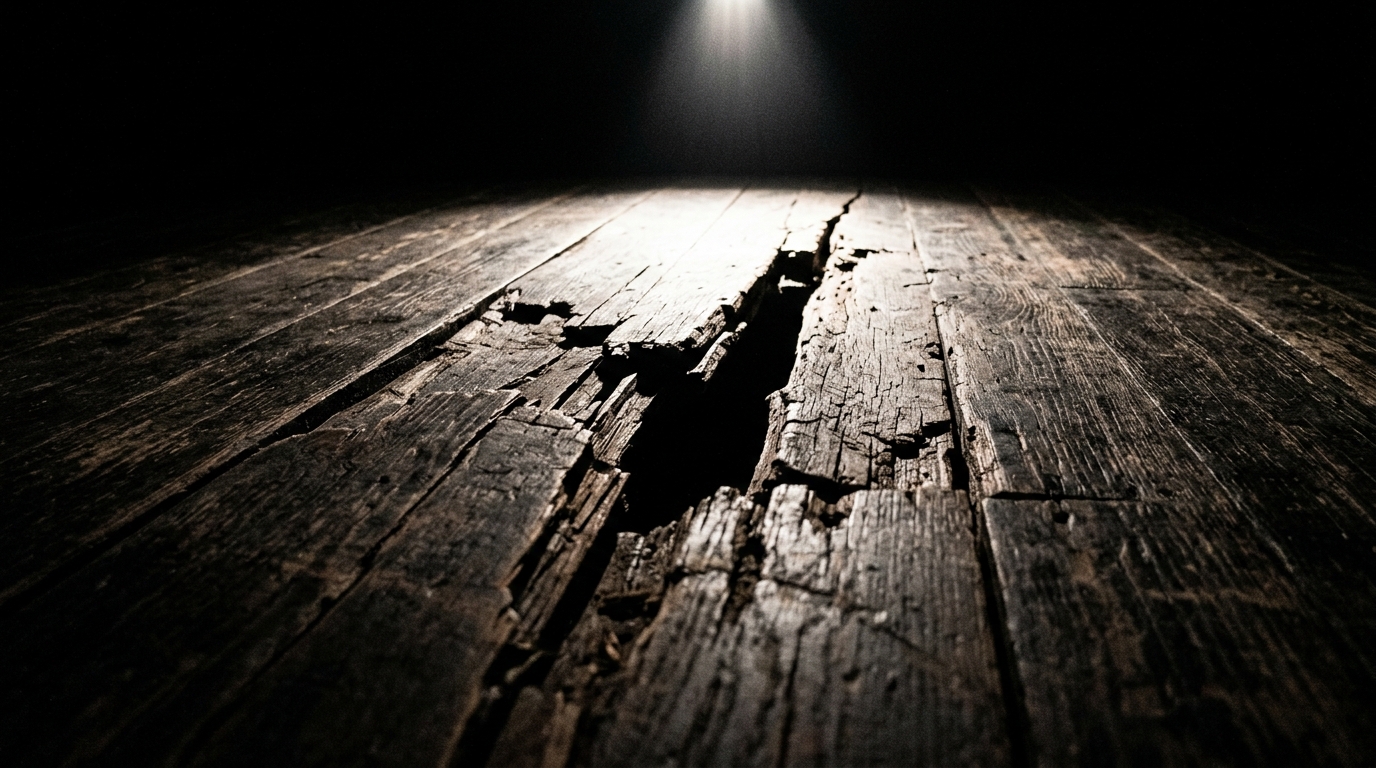
It is before the finance committee of the National Assembly that Culture Minister, Rachida Dati, unveils the scale of the problem, in May 2025. Her words are blunt: « The Opéra Bastille requires 400 million euros for works, because the stage could collapse ». A statement that is bound to surprise, given the aura of prestige and the sense of impeccable upkeep surrounding a major cultural venue. The minister also outlines the scope of the project: « It’s 400 million euros and ten years of work. »
concretely, the complete shutdown of the establishment is planned between 2030 and 2032, for a minimum of two years, to tackle the most critical stage equipment. But preparatory works, focusing notably on roof waterproofing and the glass façade, are set to begin this summer and continue on an operating site until 2037. For his part, the director general of the Paris National Opera, Alexander Neef, had in March 2025 advanced an even larger figure, that of 600 million euros needed through 2037 for all of the institution’s sites. When adding construction costs and renovation, the final sum approaches 1.2 billion euros of public funds committed to this single building over a half‑century.
123 euros per ticket: the hidden price of an opera never truly popular
Beyond the structural question lies the entire initial project of Mitterrand, which appears to have failed. The ambition stated was clear: to create a modern and popular opera, accessible to the broadest possible audience. Yet the numbers tell a different tale. In 2023, the State provided a subsidy of 199.8 million euros to the institution. If you relate this to the number of tickets sold, even with an outstanding attendance rate of 92%, that amounts to roughly 123 euros of public subsidy per ticket. A figure that invites questions about the true accessibility of this cultural site, heavily funded by public money without genuinely democratizing access to opera.
The paradox is striking: a building that was meant to embody the encounter between artistic rigour and popular openness has not satisfactorily achieved either objective. It has never truly been popular, given that its operation depends on substantial public funding, and it isn’t modern anymore either, since it now threatens to collapse after only thirty-six years of existence.
From the initial confusion over the architect’s selection to the 400 million euros of works, the Bastille’s story resembles a long sequence of missed opportunities to fulfill its ambitions. A building expensive to construct, costly to operate, and now equally costly to save from collapse. The question extends beyond Bastille: how can a symbol of culture so young be in such a worrying state, and what lessons should be drawn for future major architectural projects?
