
26.3 billion euros. That is the amount the French state spent between 2016 and 2024 to support wind power, solar energy, and biomethane, according to a report published by the Cour des comptes on March 17, 2026. But this figure, already mind-boggling, is only the tip of the iceberg: by the end of 2024, the total of active support contracts represents long-term financial commitments for the State estimated at €87 billion. The actually paid bill accounts for just a little under one third of what the State has committed to pay until the contracts signed expire.
The gap between these two figures stems from a precise mechanism. In France, support mechanisms come in two forms: feed-in tariff contracts and remuneration supplements, typically lasting 20 years, which guarantee producers “purchase prices generally well above the prices they would obtain on wholesale electricity and gas markets.” Concretely, when a producer sells his electricity below the price set in his contract, the State makes up the difference. This premium is calculated as the difference between a reference tariff set by sector and the market price: if a producer sells electricity at €50/MWh and his reference tariff is €60/MWh, he receives a premium of €10/MWh. The system also works in reverse: when prices soar above the guaranteed price, it is the producer who pays the difference back to the State. That is precisely what happened during the energy crisis.
To Remember
- Why does the real bill represent only about a third of the commitments made by the State?
- These old solar contracts cost six times more than the newer ones—how exactly?
- When will this mountain of debts to producers actually start to decline?
A balance that swings widely from year to year
Nothing is more misleading than an average in this file. From 2016 to 2020, the annual cost of these measures rose from €4.1 billion to €6 billion. Then came the great reversal: during the spike in wholesale prices in 2022 and 2023, it was the producers who had to return money to the State. This mechanism led the State to record net revenues of €4.83 billion over the period, before once again incurring expenses from 2024 onward. Back to normal, back to the charge: the cost stood at €3.9 billion in 2024 and is projected to reach €7.3 billion in 2025. A swing by almost a factor of two within a single year, which in itself illustrates why the Finance Ministry struggles to budget this line with confidence.
The old solar, far more expensive than the newer wind
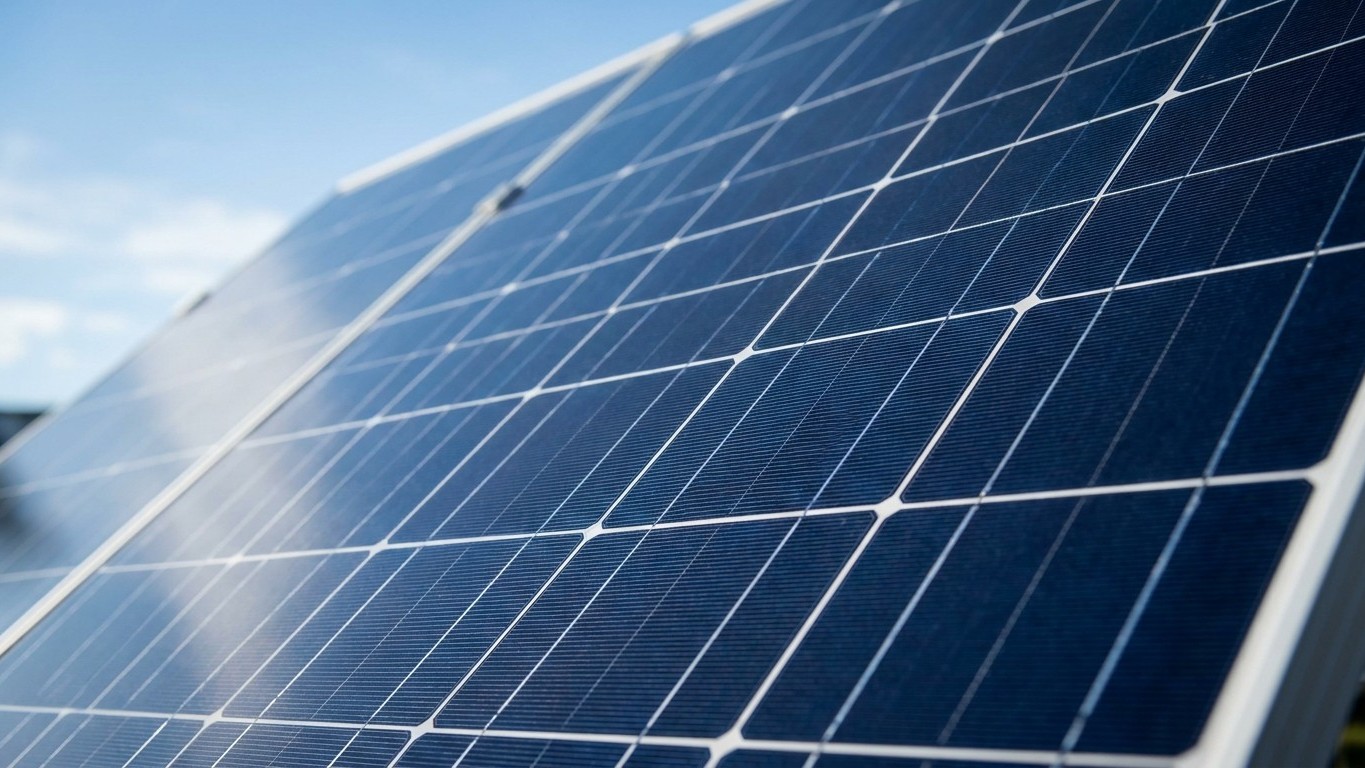
Not all contracts are created equal. The oldest ones, signed at the very start of the 2010s under tariff decrees of 2006 and 2010, remain by far the costliest. The feed-in tariffs fixed in 2006 and 2010 were overvalued: they could reach up to €300 per MWh for installations not integrated into buildings, and up to €550 per MWh for building-integrated installations, at a time when the production cost of panels had not yet fallen. About 235,000 contracts signed between 2006 and 2010 benefit from an average public support of nearly €480 per MWh, even though they account for only about 5% of renewable production but concentrate nearly 30% of renewable-related charges. By comparison, the reference price of the more recent remuneration contract stands today around €81 per MWh, i.e., six times lower. Wind power, developed later and with tariffs negotiated downward through successive calls for bids, costs the State proportionally much less than the old solar fleet, even if it now represents a larger share by volume in the electricity mix. Renewable electricity production rose from 100 TWh in 2016 (18% of electricity production) to 150 TWh in 2024 (27%), driven largely by these two sectors.
What the Court of Auditors reproaches the State for
The verdict of the financial magistrates does not condemn the principle of public support, but its management. The cost of public support for renewable energy, characterized by very high and volatile amounts from year to year, did not lead to overall overpayment, but the lack of efficiency in the scheme and the insufficient knowledge of the sector’s economics led to cases of overpayment, concentrated on certain types of solar contracts and on biomethane contracts. In plain terms: the State paid the right price across the entire fleet, but allowed pockets of unjustified rents to slip through due to insufficient monitoring. The jurisdiction also points to undesirable effects on the functioning of the electricity system, notably for feed-in tariff contracts that push installations to produce regardless of current market prices, a behavior that can worsen episodes of negative prices. It recommends greater contractual flexibility and better budget steering to prevent the bill from becoming, at every crisis, a fresh surprise for public finances.
A decline that truly begins only at the end of the decade
Good news for public finances: this wall of commitments has an expiration date. The costliest photovoltaic contracts, those signed between 2006 and 2010, are gradually maturing. According to the CRE, these contracts will still weigh nearly €2 billion in 2026 as in 2027, but their sunset is programmed: the decline should begin in 2029, and the majority of them will expire before 2033. This is a horizon that matters in two ways: these same contracts alone represented, over their entire lifetime, an estimated cumulative cost of €38 billion by the Cour des comptes, or nearly half of the State’s off-balance-sheet commitments across all renewables. The remuneration supplement, for its part, is only rising in importance: according to the CRE, this newer mechanism, better aligned with market prices, will become the majority of support contracts by 2032, evidence that the lessons from solar in the 2010s have not been entirely forgotten.
Sources: vie-publique.fr | photovoltaique.info | senat.fr
