
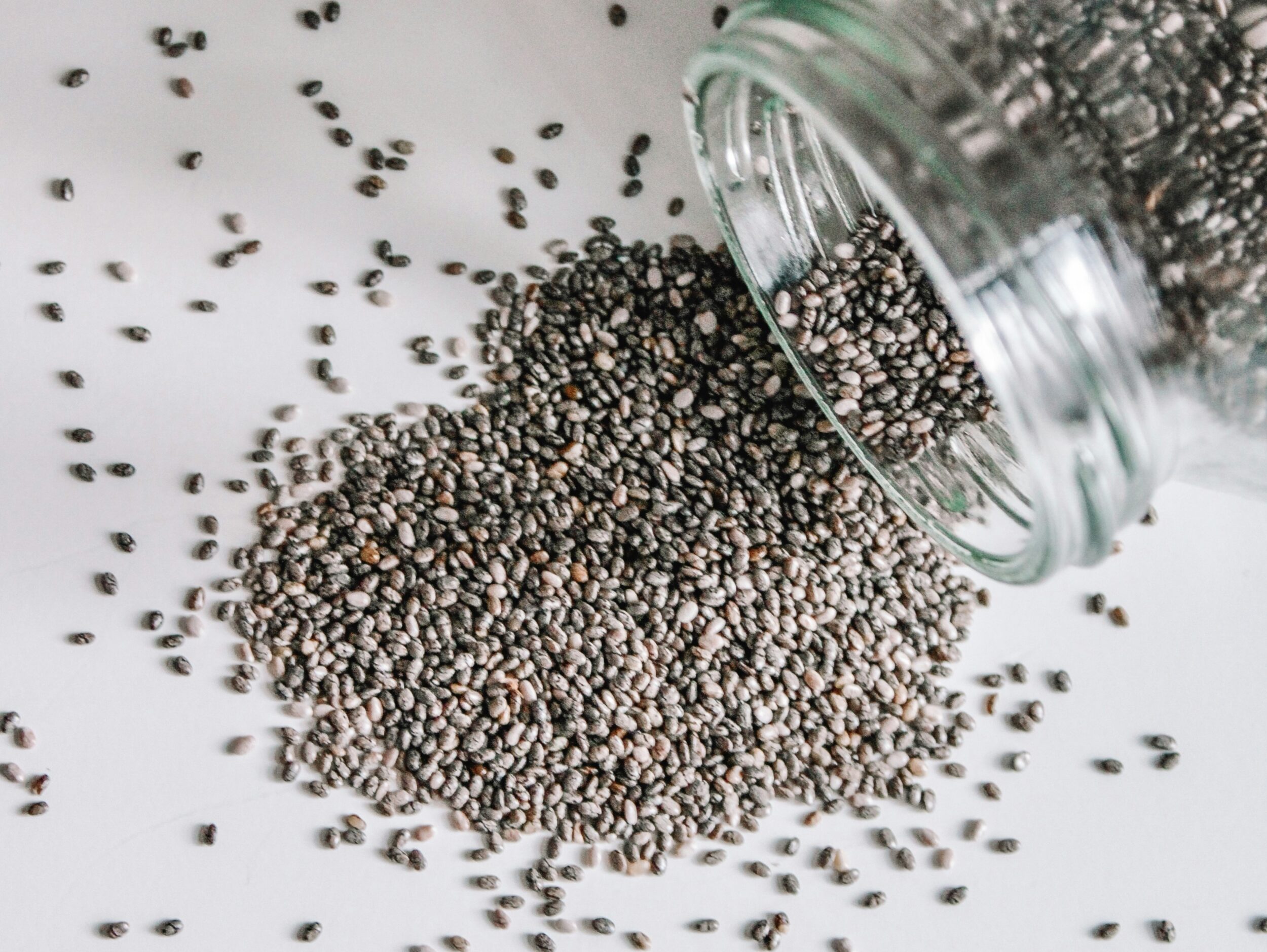
The poppy seeds that flavor your bagels and breads come from the same plant that yields heroin. This botanical paradox hides a documented medical reality: eaten without prior washing, poppy seeds contain enough opiates to cause severe dependence. British doctors have just published cases of 16 patients ensnared in this discreet — and legal — trap.
What you will learn
- Why supermarket poppy seeds can cause a drug-test to fail
- How unwashed poppy seeds can trigger an opioid dependence as insidious as it is progressive
- What doctors are calling for in terms of regulation in the face of a risk still largely underestimated
One Plant, Two Faces
The opium poppy is one of the most paradoxical plants there is. Its seeds garnish bagels, breads, and pastries around the world. Its capsules, however, yield a milky latex rich in morphine, codeine, and thebaine — the same molecules behind heroin and the most powerful analgesics in modern pharmacopoeia.
That dried latex is opium. The boundary between ordinary food and a controlled substance hinges on a single act: washing.
The bagel that trips a drug test
Seeds sold for cooking are washed after the extraction of their capsules, which removes most of the latex residues. No psychoactive effect is to be feared. But drug tests, on the other hand, are far more sensitive than the threshold of human perception.
Urbah Viqar, a physician at the Central and Northwest London NHS Foundation Trust, is categorical: one to two teaspoons of poppy seeds are enough to trigger a positive result for opiates. Some recipes specify this exact quantity for a single bagel. Morphine, moreover, remains detectable in the body for several days after ingestion.
For professionals subject to random checks, the warning is concrete: avoiding poppy seeds in the days leading up to a test is not an excessive precaution.
The dependence that creeps in without you noticing
Unwashed seeds, however, constitute a very different problem. Without washing, they retain the opiate latex released during mechanical harvesting. Consuming them produces real sedation, sleepiness, physical relaxation — effects that have been sought in certain medicinal traditions for generations.
This is precisely what makes it a trap. Viqar and his colleague Noah Stanton documented cases of 16 men, almost all from the Punjabi Indian community in the United Kingdom, who became dependent on unwashed poppy seeds. The dependence developed gradually, much slower than with a potent opioid — making it all the more difficult to identify.
Two of the patients were consuming 20 tablespoons per day after fifteen years of practice. A dose that, in a person with no opioid tolerance, would pose a serious overdose risk.
A troubling regulatory gap
The problem is also legal. Unwashed poppy seeds are available in large quantities, at low prices, in the United Kingdom as in the United States, with no purchase restrictions. Health professionals who are unaware of this cultural practice do not think to raise it during routine consultations.
Viqar and Stanton advocate for two concrete measures: tighter regulation of bulk sales, and the inclusion of a systematic question in drug-testing questionnaires — “Do you use poppy seeds?” — in the same way as questions about alcohol or conventional drugs.
A substance consumed for centuries in certain cultures, freely sold in others, and whose dangerous dose remains still unknown. Research on this topic, according to Viqar, remains largely insufficient.
