
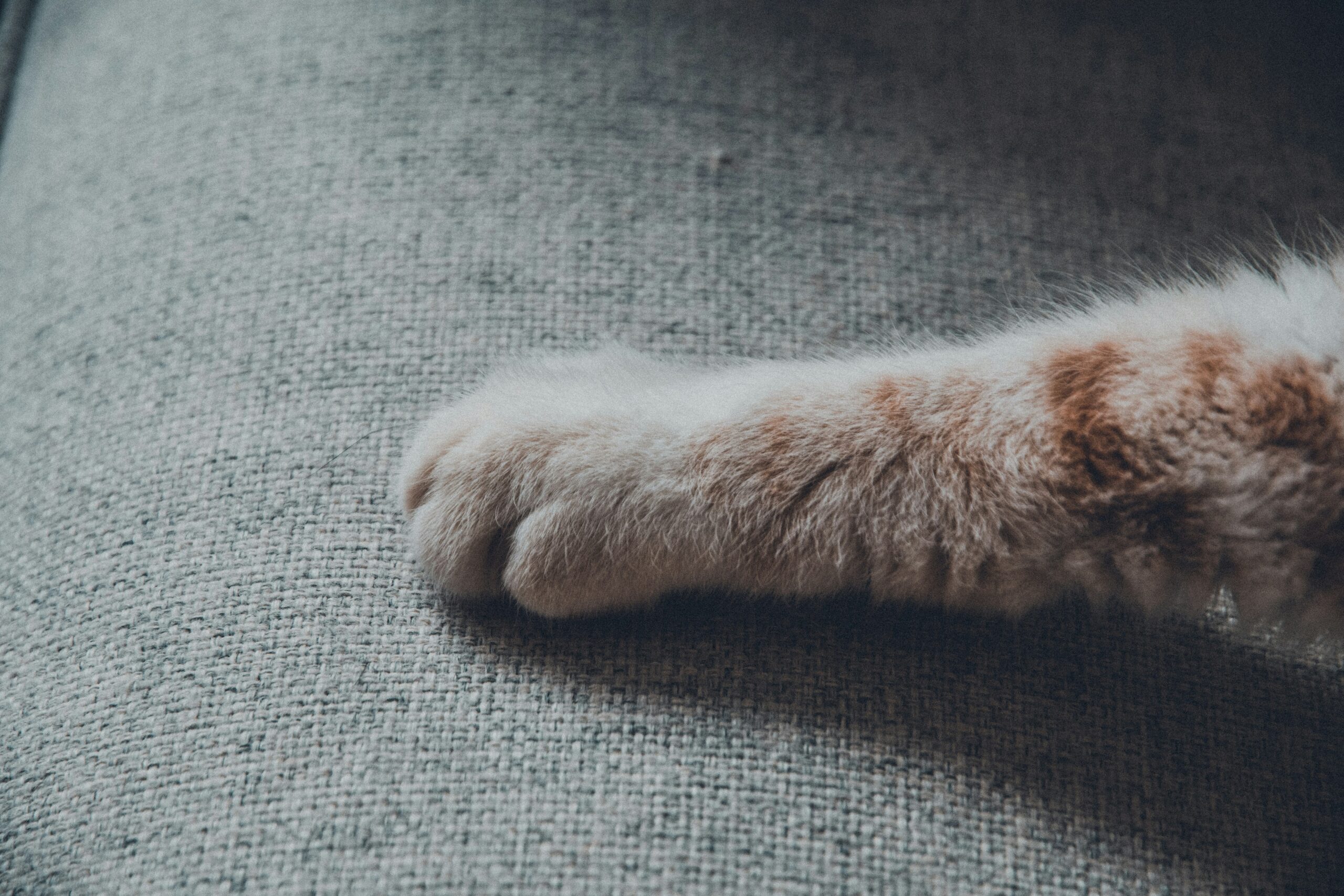
If you have a cat, you know the scene: it sniffs its bowl with disdain because it isn’t its preferred brand of pâté. This reputation as a finicky gourmet is, however, a complete illusion. A broad scientific study has just shattered the myth: once the front door is crossed, the domestic cat becomes one of the most voracious, most generalist, and least selective predators on the planet. Far from sticking to mice, our felines devour more than 2,000 different species, including animals you would never have imagined on their menu.
A menu of 2,084 different species
This is an unprecedented-scale survey conducted by Auburn University. By compiling hundreds of previous studies, the researchers built the global inventory of what free-roaming and feral cats eat. The figure is dizzying: 2,084 animal species were identified in their stomachs.
The authors of the study are clear: the cat is an “indiscriminate predator.” It does not choose, it exterminates. Its hunting repertoire includes about 9% of all known birds on Earth, 6% of mammals, and 4% of reptiles. No other predator has such a diverse diet. They eat almost anything that moves, as long as they can kill it or find it dead.
From grasshoppers… to cows
What is most surprising in this report is the variety of prey. While insects and rodents form the base, cats are capable of tackling targets far more ambitious or feasting on unexpected carrion.
Researchers found traces of astonishing animals in their diet: emus, green turtles, and even domestic cows (consumed in carrion form). Even more impressive: observations confirmed that a cat could devour an entire kangaroo. This radical opportunism makes them biological survival machines, capable of adapting to any ecosystem, but it exacts a terrible price on nature.
A silent ecological disaster
This gluttony poses a major conservation issue. The study estimates that 16.65% of the species eaten by cats are threatened species.
The figures are damning:
-
Cats are tied to 26% of extinctions of birds, mammals, and reptiles recorded worldwide.
-
In Australia, they kill around 650 million reptiles per year.
-
In the United Kingdom, between 160 and 270 million animals die each year under their claws.
-
In New Zealand, they have contributed to the extinction of at least six endemic bird species.
The end of innocence?
Facing this reality, the image of the harmless “kitten” takes a hit. In some parts of the world, gloves are off. In 2021, a Melbourne suburb introduced a “total curfew” for cats, forcing owners to keep them indoors 24/7 to protect local wildlife.
So, the next time your cat purrs on your lap, remember that behind this ball of fur lies what the study describes as one of the world’s most successful invasive predators. It isn’t difficult with food; it simply waits for the opportunity to hunt.
