
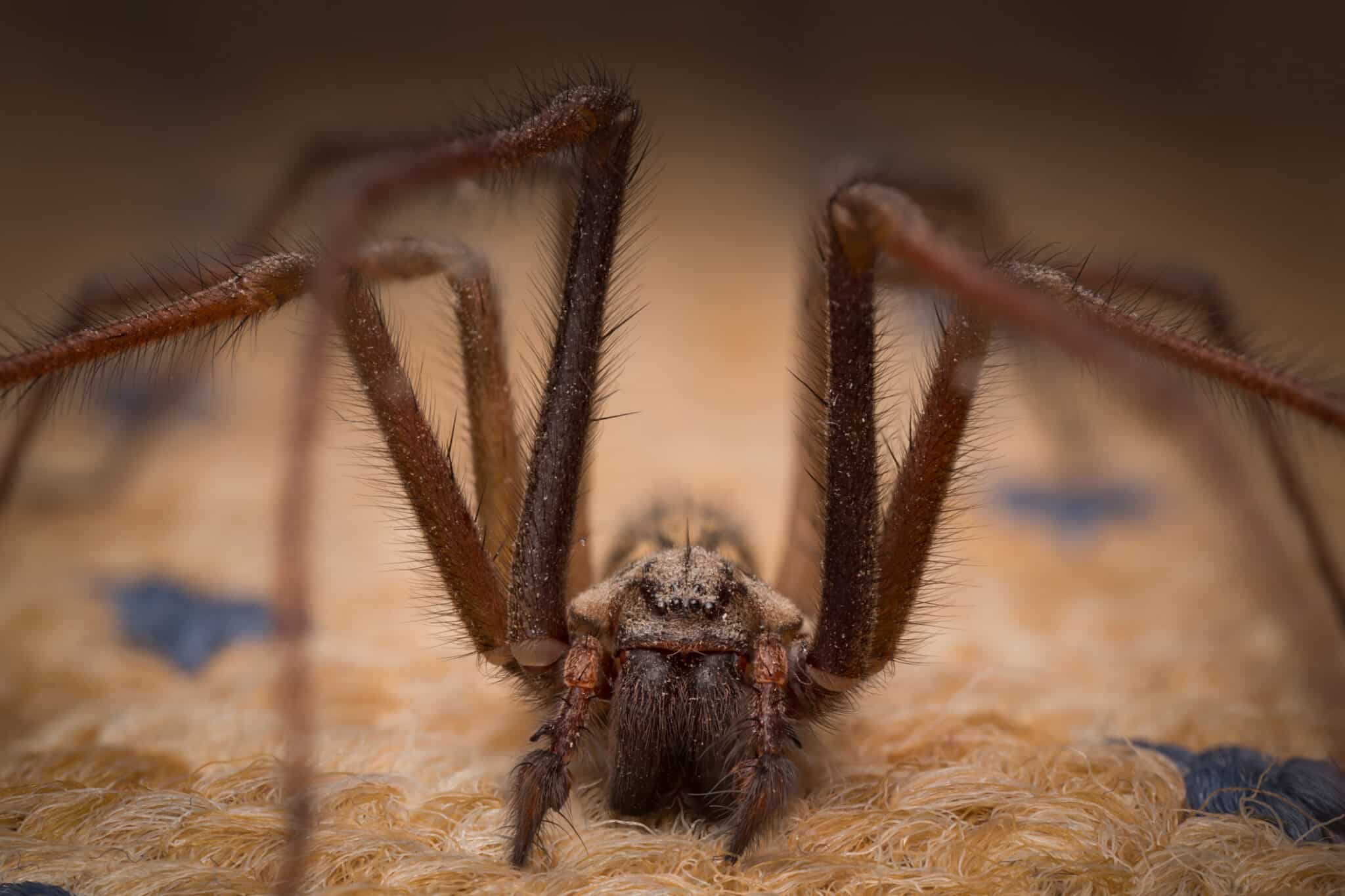
Each autumn, a familiar phenomenon repeats with unsettling regularity: your home suddenly seems to be overrun by spiders you swore you hadn’t seen all summer. This apparent invasion frightens arachnophobes and intrigues the curious, but the scientific reality behind this natural display is much closer to the ground than most people imagine. No, spiders do not suddenly multiply in your cupboards, and no, they are not staging a coordinated assault on your dwelling. The truth is both simpler and more fascinating: you are witnessing one of the oldest reproductive rituals in the animal kingdom, quietly unfolding beneath your nose for millions of years.
The Grand Autumn Mating Ballet
Between the end of August and mid-October, nature conducts a discreet yet intense show inside our homes. Male spiders of many common domestic species finally reach sexual maturity after months of silent growth. This biological transformation triggers a radically different behavior: abandoning their sedentary lives, these eight-legged creatures embark on a frenzied quest to find a partner.
This period coincides with particular weather conditions that facilitate their movements. The still-warm temperatures keep doors and windows open, creating countless highways for these eight-legged travelers. What we perceive as a sudden invasion is, in fact, the moment these ordinarily secretive creatures step out of the shadows to fulfill their reproductive mission.
The species most affected belong primarily to the Tegenaria and Eratigena groups, perfectly adapted to domestic life. These spiders have evolved to thrive in our indoor environments, accommodating a stable climate, limited food, and sporadic access to water.
2026: An Exceptional Year for Arachnids
This year promises to be particularly notable for observations of house spiders. The exceptionally hot and humid summer of 2026 created ideal conditions for the development of these creatures. High temperatures favored the proliferation of insects, giving spiders a prolonged feast that accelerated their growth and maturation.
According to Dr. David Gee, a specialist in invertebrate biology at the University of Derby, this abundance of prey triggered premature maturation among spiders this year. This advancement beyond the usual timeline intensifies their reproductive activity and increases the number of unexpected encounters with human inhabitants.
The phenomenon also sparks fierce territorial competition among males. Each seeking partners at the same time, they contest the best hunting and mating grounds. This “silent war” drives many individuals to adopt a roaming lifestyle, continually exploring new territories, including our homes.
The Ineffectiveness of Grandma’s Remedies
Faced with this increased presence, many people turn to natural solutions believed to repel these unwelcome visitors. Lemon-scented essential oils or peppermint oil, strategically placed horse chestnuts: these traditional remedies enjoy stubborn popularity despite their dubious effectiveness.
Scientific studies reveal a disappointing reality for fans of these methods: the evidence of their effectiveness remains weak and contradictory. Arachnologists are explicit: in practice, these natural repellents offer no real protection against spider intrusions.
Hidden Allies
Rather than trying to eliminate these reluctant roommates, science invites us to rethink our relationship with house spiders. Of the 50,000 known spider species, only about 25 possess venom potentially dangerous to humans. The species we encounter in homes are generally harmless and far more frightened by our presence than we are by theirs.
These discreet predators actually provide a valuable ecological service by regulating populations of true pests. Flies, mosquitoes, and other flying insects form their daily menu, making house spiders natural allies in the fight against parasites.
Understanding this seasonal phenomenon allows us to adopt a calmer perspective on these autumn encounters. Far from an invasion, it is a fascinating natural cycle that testifies to the remarkable adaptation of these creatures to our human environments.
