
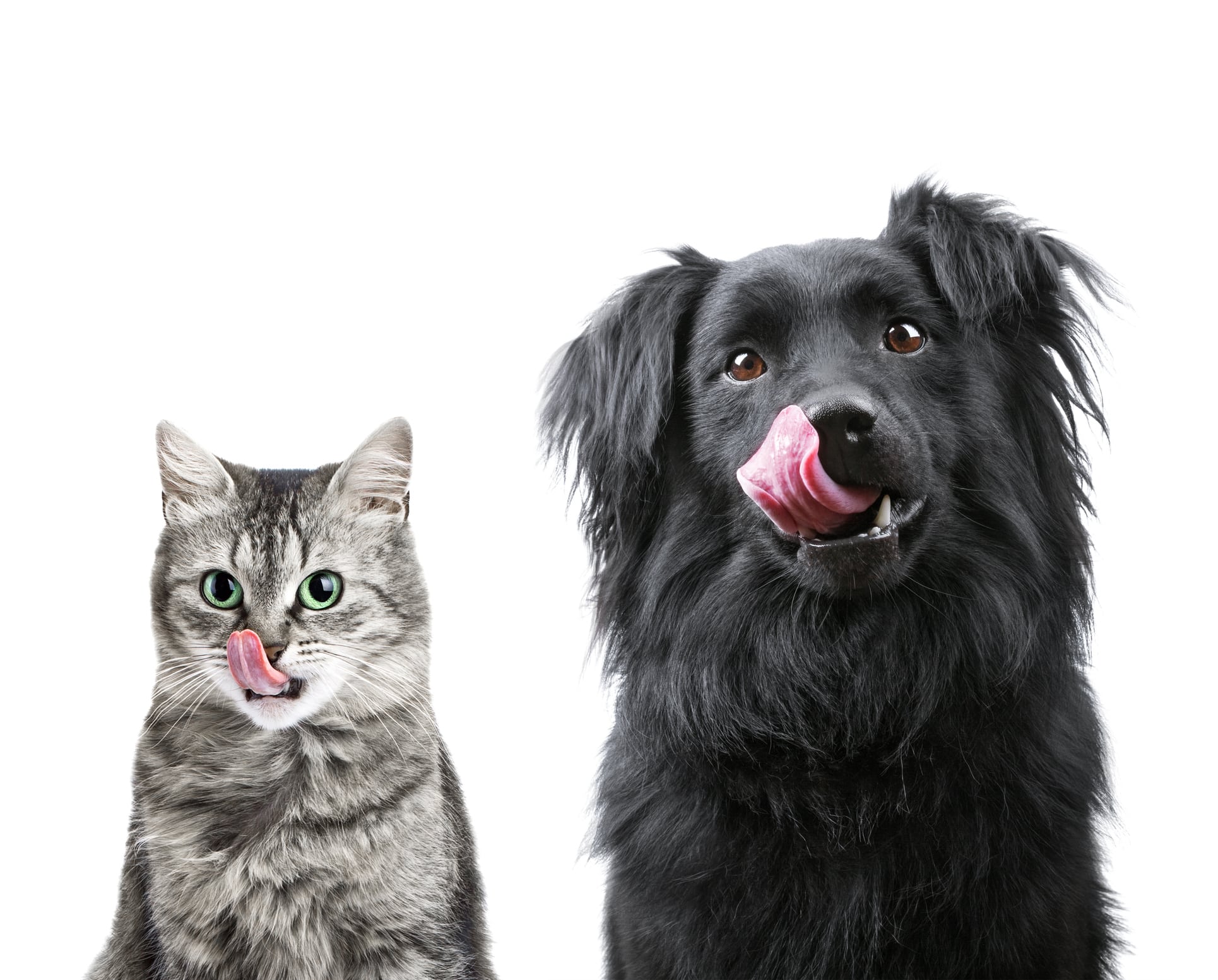
We like to think of our dogs and cats as members of the family. They share our meals, our beds, our daily routines and our moments of joy. Yet, despite affection and closeness, our companions remain animals with powerful instincts, inherited from millions of years of evolution. In certain extreme situations, these instincts can take over, leading to a surprising and unsettling behavior: eating the body of their owner after death. What does this phenomenon reveal about animal biology and our relationship with our four-legged companions?
Survival before affection: understanding the behavior
Documented cases exist: in January, American authorities found a deceased woman whose body had been partially consumed by her two pug dogs after five days of isolation. These incidents, though rare, show that even the most affectionate animals can yield to survival instincts when no other source of food is available.
Lena DeTar, professor at the College of Veterinary Medicine at Cornell University, explains that this behavior is not a betrayal: “It’s not that suddenly your animal doesn’t love you anymore,” she notes. “It’s rather a mix of hunger and biological signals: your body isn’t moving, and the meat becomes a source of survival.” Domestic animals, deprived of their usual feeding routine, can thus act according to reflexes deeply rooted in their biology, similar to those of their wild ancestors.
The most exposed individuals are often socially isolated, living alone with one or more animals. Dogs or cats then find themselves confronting an extreme situation: their owner is present, but inactive and unable to provide food. In these conditions, survival takes precedence over affection.
Cats and dogs: different instincts
Not all domestic animals react in the same way. Dogs, more scavengers, are capable of devouring the entire body, especially when they have been accustomed to depending entirely on their owners for food. Cats, by contrast, remain more selective. They often nibble soft tissues of the face, nose or fingers and retain hunting behaviors inherited from their wild ancestors. A small cat, particularly if it lives partly outdoors, will have other means of feeding itself, such as catching small rodents or insects.
Carolyn Rando, a forensic anthropologist, reports that in some cases, contact with blood or the smell of meat can trigger licking and nibbling behaviors. Dogs, especially large dogs, are more capable of tearing tissue and bone, which explains why the risk of complete consumption is higher in them. These behaviors fall under biology and survival, not a drive of violence or aggression toward the owner.
Aggravating factors and prevention
Certain situations increase the risk of this type of behavior. Compulsive animal hoarding, for example, creates environments where food can be scarce and animals are isolated with an inanimate body. Squalid housing and food neglect worsen the risk, placing both animals and people in dangerous situations. In one documented case, a 69-year-old man who died at home was partially consumed by nearly thirty cats living in a filthy apartment.
Experts therefore recommend proactive intervention: sterilize the animals, provide social and psychological support to isolated owners or those suffering from hoarding disorders, and ensure that animals never lack food. In this context, the aim is not to stigmatize animals or their owners, but to understand and manage biological and social risks.
Ultimately, eating one’s owner is neither an act of malice nor a rupture of affection. It is the manifestation of natural instincts facing survival in extreme situations. These cases remind us that even in a loving and close relationship, dogs and cats remain animals with needs and behaviors deeply rooted in their biology.
