
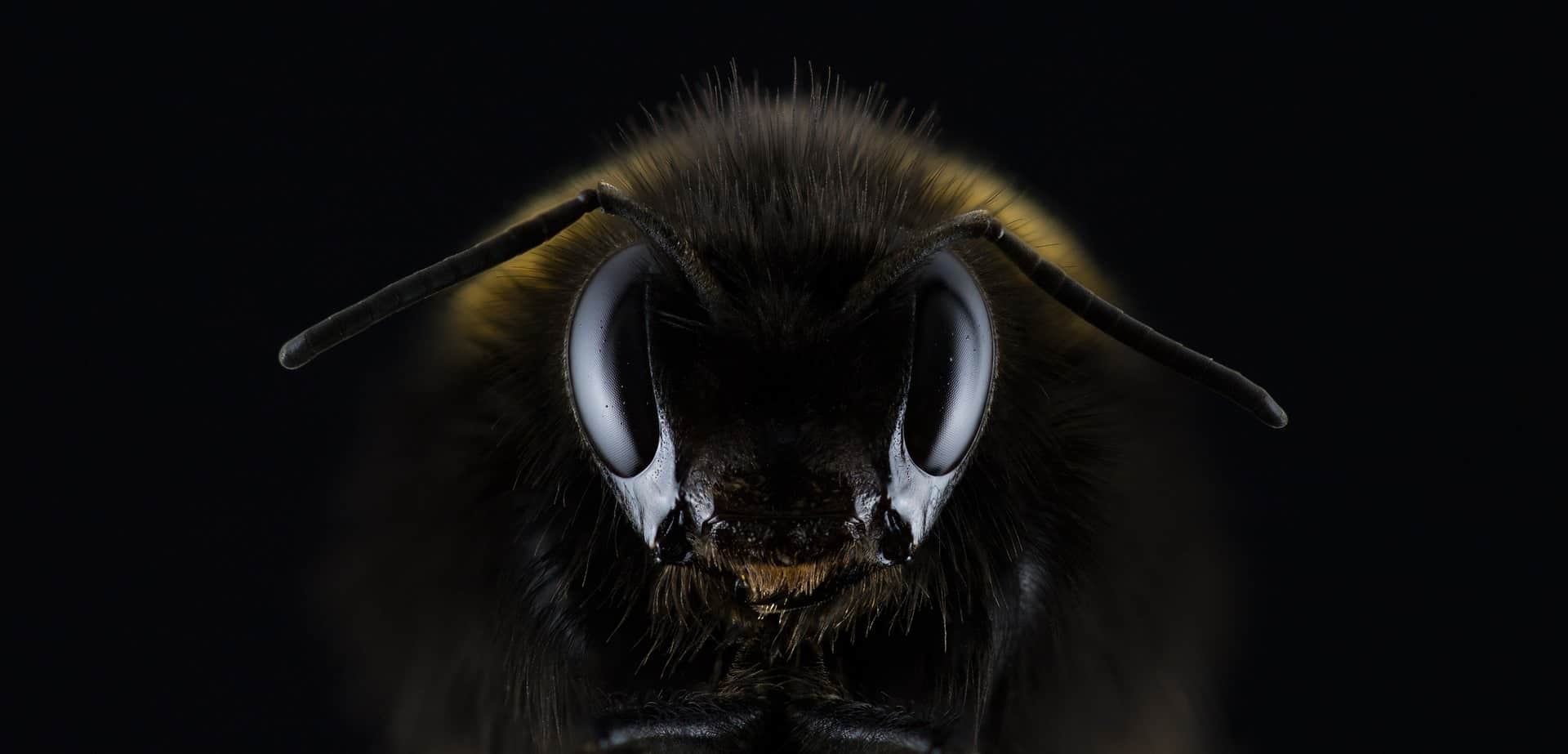
A team of researchers recently captured a flash of movement from the Dracula ants’ mandibles. These ants could close their jaws at speeds near 320 km/h in a fraction of a second.
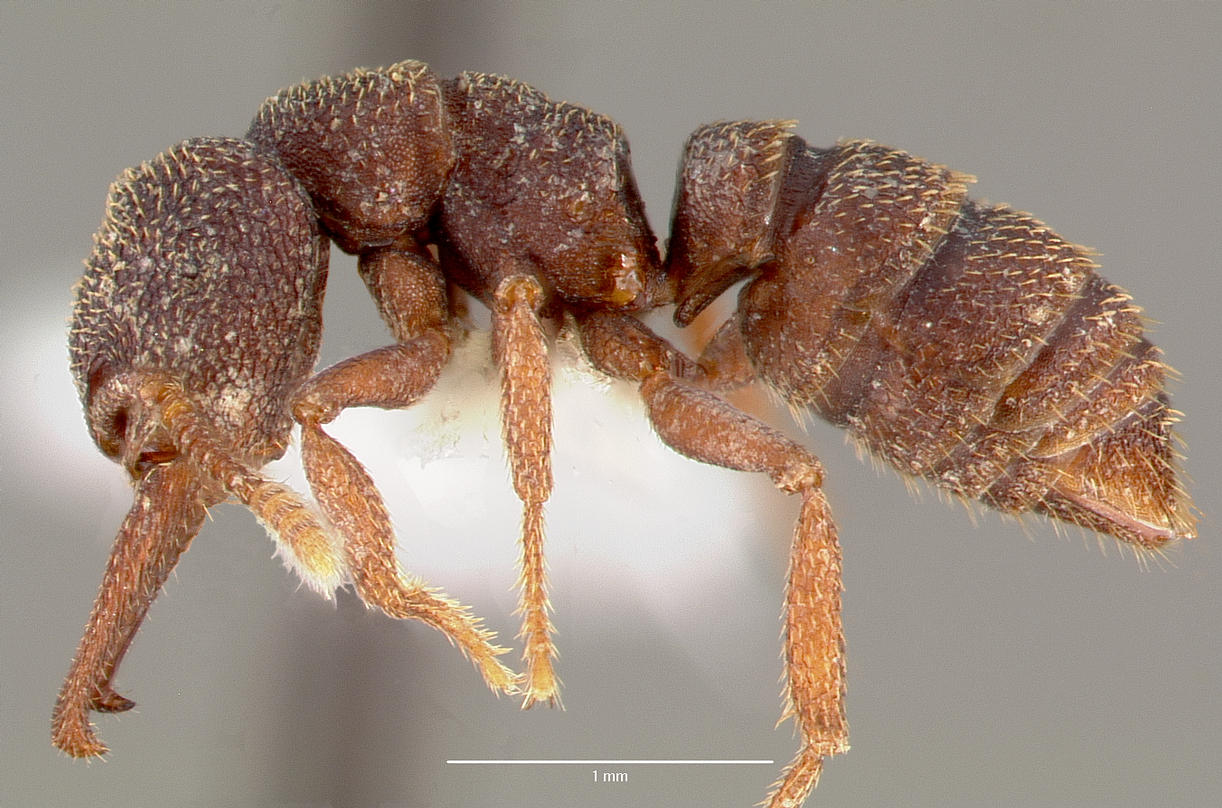
The Dracula ant (Mystrium camillae) is a subterranean predator known for feeding on the hemolymph of insect larvae without killing them. It is now notable for another reason as well. This unusual ant possesses mandibles that move with astonishing speed. A recent study suggests these jaws can snap shut five thousand times faster than a single blink. Researchers at the Smithsonian had to use a high-speed camera to capture and measure a motion that resembles a finger snap.
From zero to 320 km/h in a fraction of a second
Far faster, of course, than a human gesture. When you clap your fingers, a pressure builds up, intensifies, and the fingers slide past each other until they yield. The same principle applies here, but with mandibles. Yet for the Dracula ant, the action takes only 0.000015 seconds (imagine going from zero to 320 km/h in a fraction of a second). It is simply the fastest biological maneuver ever documented.
“These ants are fascinating because their mandibles are highly unusual,” comments Andrew Suarez, professor of animal biology and entomology at the University of Illinois (United States) and lead author of the study published in Royal Society Open Science. The vast majority of ants with mandibles rely on three separate parts for the spring, the latch, and the lever. In Mystrium camillae, everything is combined within each mandible.”
It is this unique, species-specific structure that enables such rapidity. Among ants of the genera Odontomachus and Myrmoteras—where the spring, locking mechanism, and triggering element are separate—the jaws close, on average, three to sixty times slower.
To attack and defend
“The high accelerations of Mystrium strikes probably result in substantial impact forces required for predatory or defensive behaviors,” the study notes. The usefulness of such mandibles is believed to be shared by other species that possess them. “Ants use them to strike other arthropods, likely stunning them or crushing them against a tunnel wall. The prey is then brought back to the nest where it is handed over to the ants’ larvae.”
Source
Articles liés :
