
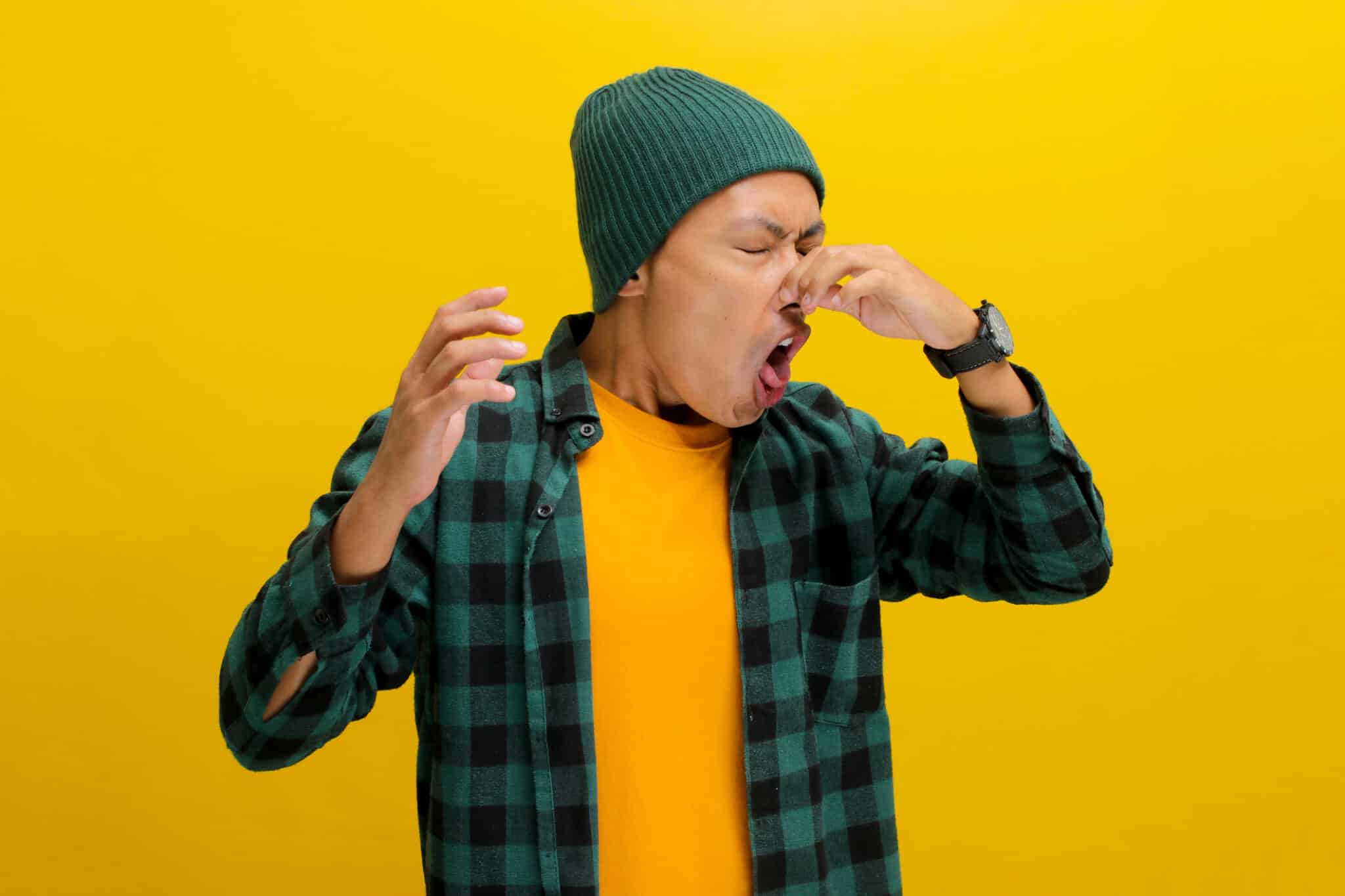
In the realm of extreme culinary challenges, a Swedish specialty holds absolute sway over the realm of repugnant odors. Surströmming, literally meaning “sour herring,” unofficially claims the world record for the planet’s most malodorous food. So foul that opening it requires precautions worthy of a chemistry lab, this traditional Scandinavian dish fascinates as much as it repels. Yet behind this infamous reputation lies a captivating science, where bacterial fermentation and age-old traditions intertwine to form one of the world’s most extreme gastronomic phenomena.
A tradition born of necessity
The history of surströmming traces back to the trials of 16th-century Sweden. During the liberation war led by King Gustav Vasa, a critical salt shortage struck the Nordic kingdom. Faced with this crisis, coastal communities in northern Sweden were compelled to improvise alternative preservation methods for their Baltic Sea herring catches.
This historical constraint gave rise to a revolutionary technique: using a remarkably weak brine, containing only 17% salt compared to the 20-25% typically employed for traditional preservation. This salt-sparing approach radically transformed the fermentation process, inadvertently producing one of Europe’s most controversial culinary inventions.
Legend even has it that the Swedes, not entirely convinced by their own invention, attempted to offload their oddly fermented fish barrels to neighboring Finns. Surprisingly, some appreciated this novel flavor, ensuring the recipe’s survival for centuries to come.
A scientifically orchestrated fermentation process
The production of surströmming unfolds as a true microbial symphony. Freshly caught herrings are first given a surgical decapitation, yet they carefully retain their eggs, which supply enzymes essential to the fermentation process.
The crucial step takes place in vast barrels where the fish soak in their light brine at a precisely controlled temperature between 15 and 18°C. This thermal window provides an ideal environment for certain bacterial strains to begin their biochemical transformation.
The microbial activity becomes so intense that the barrels literally begin to bulge. The gases produced reach pressures high enough that special taps must be installed to prevent spectacular explosions. After twelve weeks of this turbulent fermentation, the partially transformed herrings are transferred to airtight cans where they continue to mature for a full year.
The science behind the legendary odor
In 2026, a team of Italian researchers from the Marche Polytechnic University uncovered the chemical mysteries of surströmming. Their analysis reveals a remarkably complex bacterial ecosystem, dominated by Halanaerobium praevalens, a bacterium specialized for saline, oxygen-poor environments.
This microbial world also includes sizeable colonies of Alkalibacterium gilvum, Carnobacterium, Tetragenococcus halophilus, and Clostridiisalibacter. Together, these organisms orchestrate a massive production of organic acids—lactic, propionic, and butyric—alongside the formidable hydrogen sulfide.
This chemical cocktail explains the distinctive aroma of surströmming, often likened to a blend of rotten eggs, aged cheese, ammonia, and neglected armpits. Paradoxically, that same acidity protects the finished product by creating a pH hostile to pathogenic bacteria such as salmonella, listeria, or botulinum toxin.
The art of consuming the unthinkable
Despite its terrifying reputation, surströmming has its steadfast fans. The secret lies in an ancient tasting technique that transforms the ordeal into genuine culinary pleasure.
The first golden rule is never to open a can of surströmming in a closed space. The opening is ideally performed underwater, in an outdoor bucket, to contain both the pressurized spray and a portion of the aromas.
Once rinsed and drained, the fermented herring sits on a buttered tunnbröd, this lightly sweet Swedish flatbread. The traditional accompaniment includes potatoes sliced into fine almond-shaped pieces and chopped onions, creating a flavor balance that tempers the fish’s intensity.
Connoisseurs strictly advise never attempting the feat solo. Surströmming is enjoyed in a group, accompanied by generous swigs of beer and traditional liqueur, turning the culinary challenge into a convivial social ritual.
This extreme specialty perfectly illustrates how historical constraints can give rise to the most surprising traditions, proving that gastronomy certainly knows no limits.
