
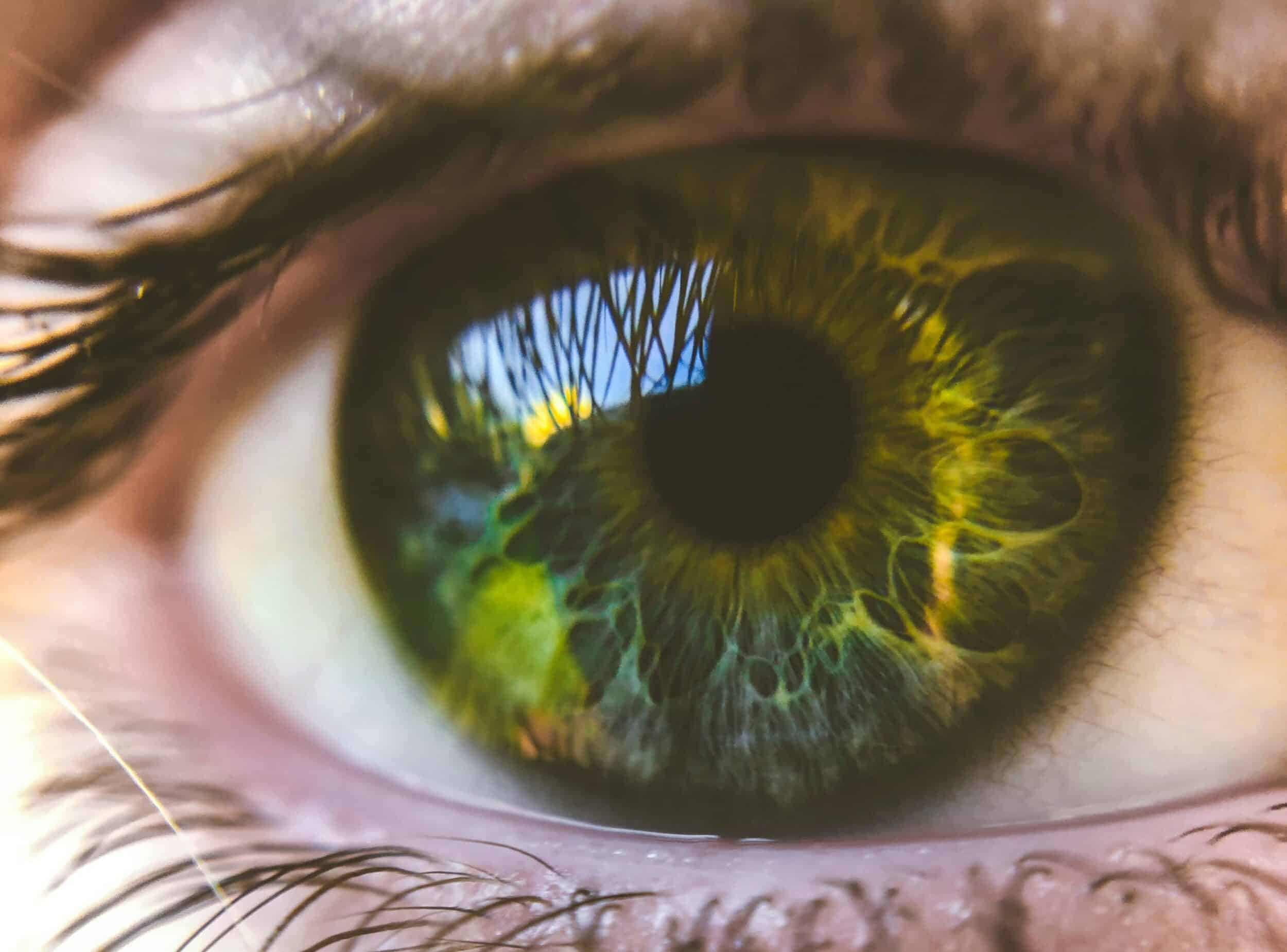
What if the solution to your vision problems hid inside your vegetable drawer? In a cutting-edge study published in the journal Cell, scientists have developed a new kind of eye drop capable of carrying out certain steps of photosynthesis in the eyes of mammals. Made from enzymes extracted from spinach leaves, these drops harness ambient light to treat dry eye in mice. A bioengineering feat that pushes the boundaries of cellular medicine.
What you will learn
How the LEAF system encapsulates the spinach machinery to heal the eye.
The role of NADPH, this plant antioxidant that eliminates inflammation.
Why the human eye is the ideal organ to host this light-based treatment.
Stealing the Plants’ Superpower
In nature, photosynthesis is the privilege of plants. Through their chloroplasts, they convert sunlight into energy (glucose). If no animal performs this process on its own, certain sea slugs have learned to “steal” chloroplasts from the algae they eat to appropriate their solar energy.
The team led by David Tai Leong, a chemical engineer at the National University of Singapore, drew inspiration from this symbiosis to treat dry eye. This condition alters the eye’s tear film, generating inflammation and oxidants that degrade vision. To address it, the researchers extracted spinach chloroplasts—the grana thylakoids, those micro-compartments rich in chlorophyll where the early stages of photosynthesis occur. They then encapsulated them in a microscopic structure named LEAF (Light-Reaction Enriched Thylakoid NADPH-foundry).
NADPH, the Light-Activated Antioxidant
Once integrated into a drop and applied to the eyes of diseased mice, the LEAF system activates as soon as it receives light. At the heart of the thylakoids, the photochemical reaction yields a highly antioxidant molecule: the NADPH. It is this molecule that acts as medicine by eradicating the toxic compounds responsible for ocular inflammation.
The results after only five days of testing were stunning:
-
The mice treated with the LEAF eye drops showed significantly higher tear production.
-
Their corneal lesions were drastically reduced.
-
The overall performance of the treatment proved to be perfectly comparable to that of current commercial medications.
A therapy in harmony with our daily lives
The eye is the perfect candidate for this plant-based therapy, since light already plays a role in its normal biological functioning. As Dr. Xianfeng Lin, a surgeon who had tested a similar approach in 2022 to treat knee arthritis in a mouse, noted: “These works broaden the role of light in the eye, which is no longer purely sensory, but potentially contributes to local metabolic support and tissue repair.”
For technophobes, rest assured: this eye drop will not give you the Hulk’s green gaze. The chlorophyll concentration is so low that the drops remain perfectly transparent once applied. The efficiency of the plant’s “photosynthetic machine” is such that a tiny amount of material is enough to trigger the therapeutic production of NADPH.
The treatment is not yet available in pharmacies, and the team is currently organizing the first clinical trials to validate its safety in humans. If regulatory approval is granted, this therapy will offer unprecedented comfort: you would simply need to open your eyes to daylight for the treatment to activate automatically, in perfect harmony with our everyday activities.
