
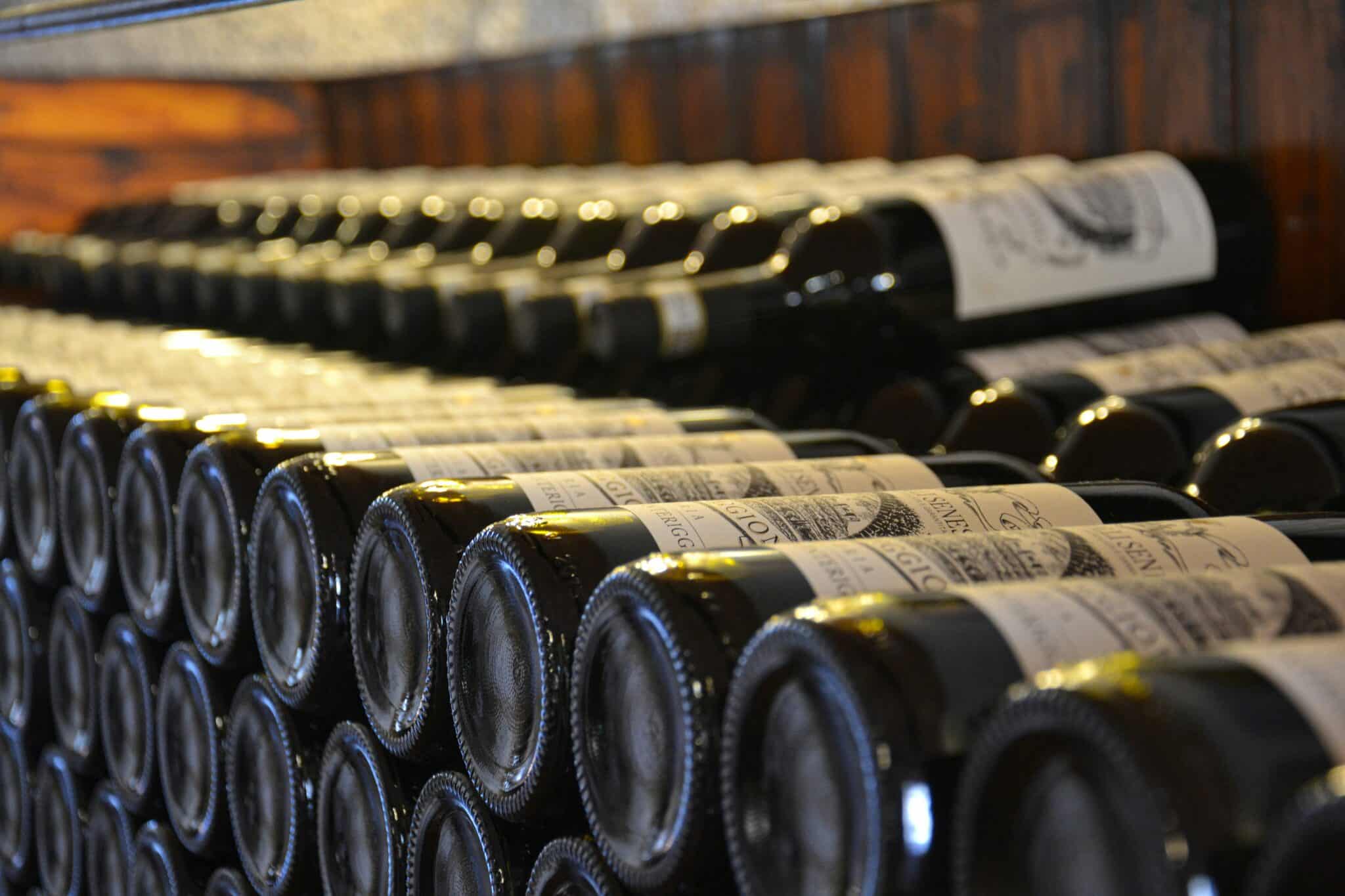
Whether you are a fan of fine wines or an occasional drinker, you have surely noticed the mysterious hollow at the base of wine bottles. If sommeliers use it to deliver a spectacular one-handed service, many beliefs surround this anatomical feature. A symbol of prestige for some, a trap for impurities for others, this famous “punt” (sometimes humorously referred to as the “proctologist’s grip”) actually hides a fascinating history connected to old-world craftsmanship. Here is why this design endures today, and why it does not guarantee the quality of your beverage.
What you will learn
-
Why the depth of this cavity is absolutely not an indicator of your wine’s quality.
-
The historical, purely practical reason tied to the technical limits of ancient glassblowers.
-
The only category of wines for which this design remains strictly essential today.
The Grand Cru Myth, Demystified
Popular belief often links the presence of this hollow to a wine of superior quality or to a prestigious cuvée. Yet, according to experts and sommeliers, the shape of the bottle is simply a producer’s choice (aesthetic or marketing). While this traditional design is frequently found on wines meant to age for a long time in a cellar, a bottle housed in a flat-bottom vessel is not inherently of lesser quality.
Some enthusiasts also argue that this relief would catch the natural sediments at the bottom during pouring, preventing them from ending up in your glass. While the theory seems intuitively appealing, the scientific literature has never formally validated this hypothesis.
The Remnant of an Ancient Craft
To understand the true utility of this inverted bump, we must go back to the era when each container was blown by mouth. Technically, it was extremely difficult for a glassblower to create a perfectly flat bottom. Bottles tended to be unstable, which increased the chances of tipping and breakage.
By pushing the still-hot glass inward to form a notch, the blowers ensured that the bottle would rest only on its outer rim. This guaranteed perfect stability on the tables of the time, while strengthening the overall robustness of the glass structure.
Managing the Pressure (and the Spectacle)
Today, the modern industry is fully capable of molding smooth and perfectly stable bottles. The punt thus has no structural justification for still wines. It endures only to honor tradition and to allow servers to perform that famous bottom grip, ensuring graceful service in restaurants.
There remains, however, a notable exception: sparkling wines. For champagne and other bubbles, this hollow remains technically vital. It helps distribute the immense internal pressure generated by carbon dioxide evenly across all the walls of the container. Without this inverted dome, the bottle would simply risk bursting under pressure.
