
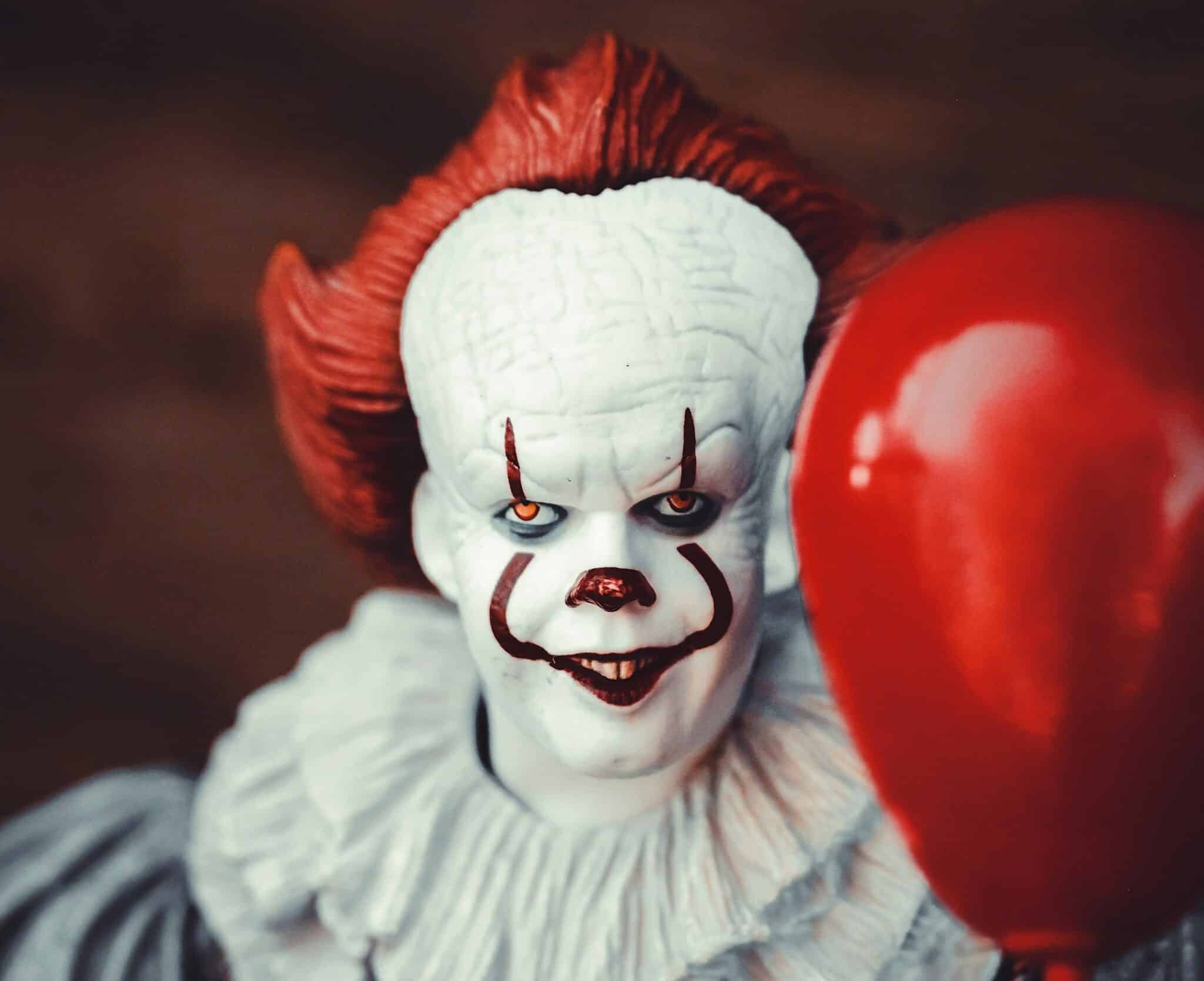
If you don’t like clowns, know that you’re not alone. Indeed, coulrophobia, the fear of clowns, is a widely recognized phenomenon. This aversion is present among both adults and children across many different cultures, but what are its origins?
More than half of people dislike clowns
Academic literature has already proposed several possible explanations for fear of clowns, but so far no study has really focused on its origins. Recently, researchers from the University of South Wales, in Australia, nevertheless turned their attention to the topic. To do so, they surveyed nearly 1,000 adults aged 18 to 77 using a psychometric questionnaire.
First, it emerged that more than half of respondents (53.5%) indeed feared clowns. Among them, around 5% of those surveyed even reported being “extremely afraid.” The researchers also found that women were more afraid than men, and that coulrophobia tended to decrease with age.
To explore the origins of this fear, the researchers issued a follow-up questionnaire to the 53.5% of people who reported at least some aversion. Among the plausible explanations were the following:
- A strange or unsettling feeling caused by makeup
- Exaggerated facial features potentially signaling a direct sense of threat
- The colors of the makeup reminding us of blood
- The clowns’ unpredictable behavior that can be uncomfortable
- “Learned” fear from family members
- Negative portrayals of clowns in popular culture
- Or a frightening experience with a clown
This last explanation made sense. After all, many children are exposed to clowns at events such as birthday parties or circuses, and some may have negative experiences. These can leave lasting memories and contribute to coulrophobia. However, the association of clowns with negative childhood experiences would have obtained the lowest score in this questionnaire.
Two main reasons
One of the most developed explanations was the negative portrayals of clowns in popular culture. More and more, clowns appear as frightening and psychopathic characters. Naturally, Pennywise, the clown from Stephen King’s 1986 novel It, comes to mind, as does the 1990 television adaptation dedicated to him.
Finally, the most important factor identified in this questionnaire was the hidden emotional signals. Indeed, clowns can express emotions such as joy or sadness in an exaggerated way, which can be difficult for some people to interpret. This can create confusion, and thus tension.
And you, are you afraid of clowns?
👉 A small gesture for Space Group? Follow us on Google, add us to your favorites, and find us on Google News so you don’t miss any discoveries.
