
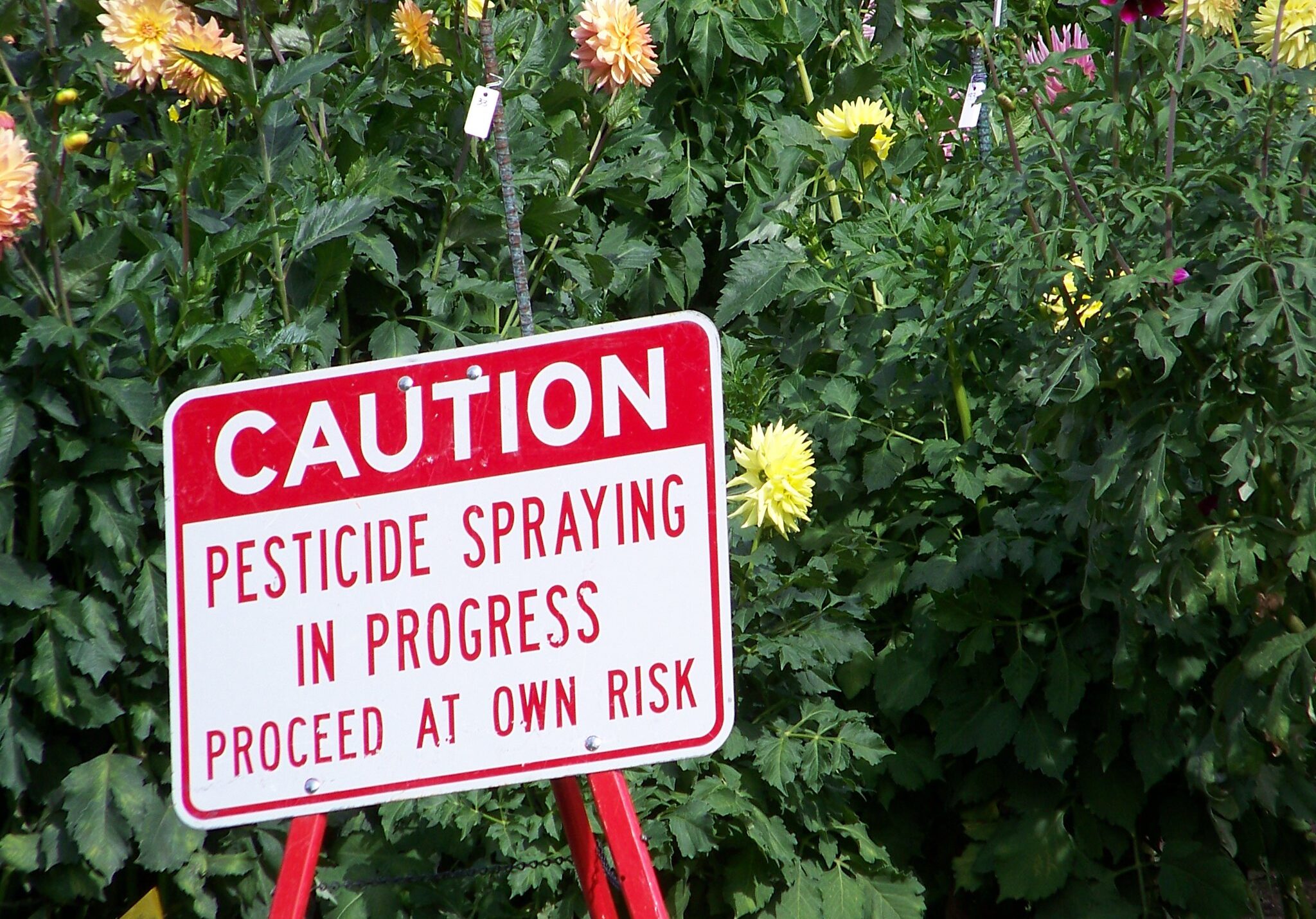
Not long ago, a new scientific study confirmed that nearly half of the world’s farmers and agricultural workers are poisoned by pesticides each year. Commissioned by an NGO, these findings highlight the global scale of a genuine public health crisis.
Immediate Poisonings Due to Acute Toxicity
For decades, the use of pesticides in farming has drawn substantial critique. As research continues, a particular study may have delivered the knockout blow. The study, published in Frontiers in Public Health on September 2, 2026, concludes that almost half of the global agricultural population experiences pesticide poisoning every year. Commissioned by the NGO Pesticide Action Network, this study reports a rate of 46% among the 934 million people engaged in farming worldwide.
“Among other estimates, solid evidence demonstrates that acute pesticide poisoning is a major and persistent global public health problem. It is urgent to acknowledge the heavy burden posed by non-fatal acute pesticide poisonings, especially for farmers and agricultural workers.”, reads the publication.
The study targets a specific category of products, namely Highly Hazardous Pesticides (HHP). These substances exhibit such high acute toxicity that they trigger immediate poisonings, even at low doses or with standard protective equipment. More precisely, the products in question are the herbicides Paraquat and Glyphosate, and the classes of insecticides organophosphates and carbamates.
Europe Relatively Shielded
According to the study’s authors, the highest rates of poisoning occur in South Asia, Southeast Asia, and East Africa. The country with the most severe situation is Burkina Faso, where as many as 84% of farm workers experience poisonings each year. Moreover, these poisonings typically occur during the preparation of pesticide mixes, the spraying of crops, and also through contact with plants and contaminated clothing.
In Europe, the situation is less alarming. In fact, this region stands as the only region where overall pesticide use is decreasing, owing to stricter regulations. The poisoning rate is 6% in Western and Eastern Europe. However, there is a caveat: the rate reaches 32% in Southern Europe.
What Do the Study’s Authors Hope For?
Despite the UN’s recurrent warnings, global pesticide use has doubled since 1990, reaching a peak of 3.8 million tonnes. The study’s authors call for a gradual phase-out of the most dangerous substances by 2035. They also aim to address gaps in health data collection and to tightly regulate the use of these products through professional certification.
Finally, the authors endorse a global transition toward agroecology, an agricultural production method that relies on natural processes rather than chemicals to grow crops. Blending scientific insight, farming practice, and a social movement, agroecology emphasizes biodiversity within the same plots, natural pest control, crop rotation, and soil protection.
