
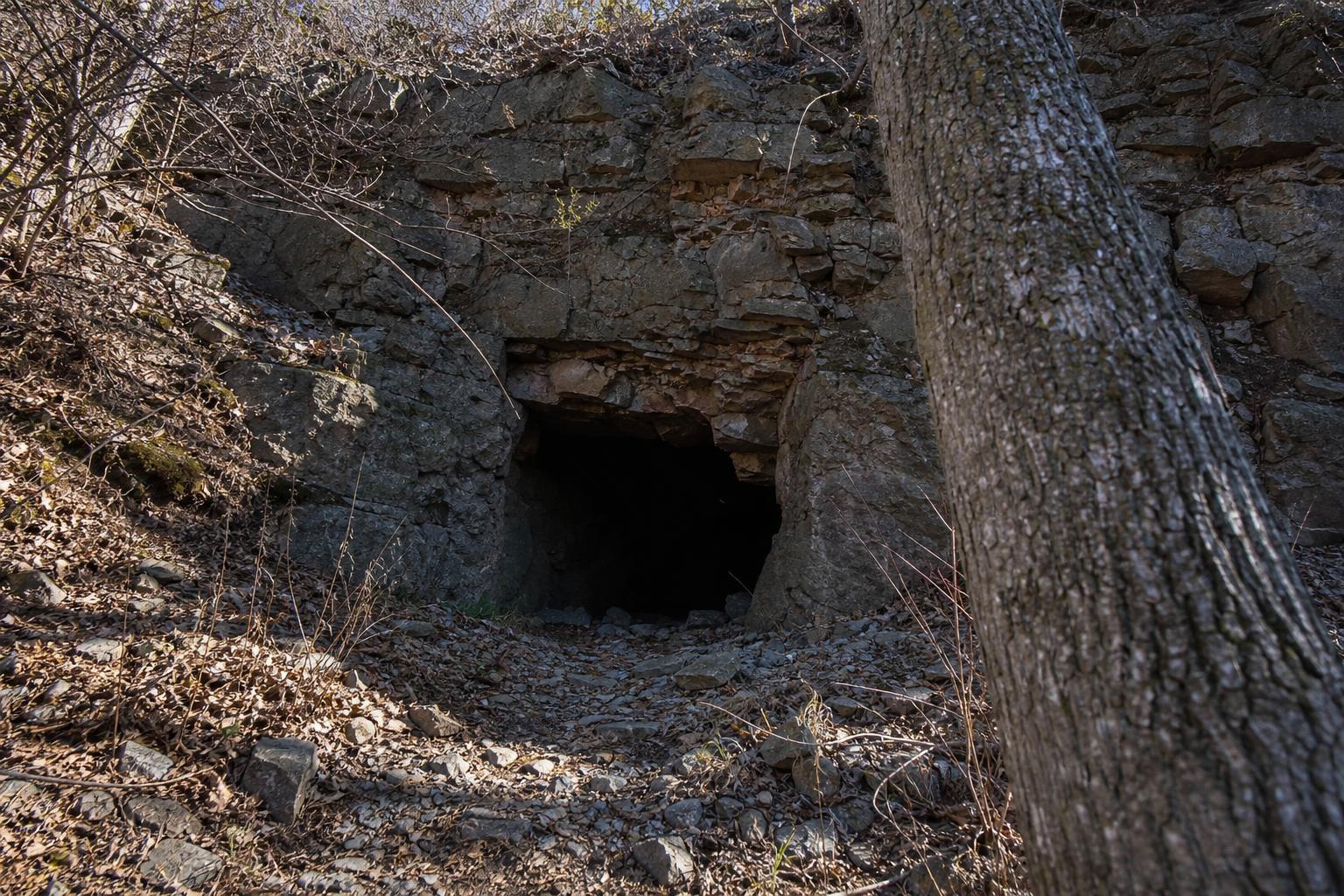
A chill of earth and history clung to the air when workmen first crawled into the Oklahoma mound. They expected dirt and pay, not a vault of ancestral art so dazzling that dealers nicknamed it America’s “King Tut” of the heartland. In the early 1930s, a small mining outfit cut a tunnel into a burial hill near Spiro, chasing rumors of artifacts the way others chased coal or ore. What they found would change museums, markets, and the ethics of American archaeology—and it would shatter a sacred archive of Indigenous life.
A tunnel into the past
The company secured a lease and started digging through what archaeologists call Craig Mound, the great mortuary of the Spiro complex. Inside lay bundles of textiles, carved shell gorgets, embossed copper plates, wooden effigies, and riverine pearls sealed for centuries. “It was, in effect, a tomb robbery in slow motion,” one modern scholar might say, a phrase that captures the method and the magnitude. The miners burrowed through the side, collapsing layers of meaning even as they extracted things of value.
The market that swallowed a world
Once word got out, the artifacts met a roaring market that prized rarity over context. Dealers and collectors treated sacred objects like shares to be traded, not a cultural record to be read. Newspapers hyped the haul with breathless copy, while hush-money and backroom sales moved masterpieces into private hands. “Cash on the table, questions later,” was the implicit creed, and piece by piece the mortuary’s story thinned. What should have been a library of ceremonial knowledge became a scatter of disconnected curios.
What was lost when context collapsed
Archaeology is a language of relationships, and the miners tore out the grammar. Without provenience, we lose the web of meaning that connects object to ritual, person to place. A copper plate in a cabinet becomes a picture, not a paragraph; a shell mask divorced from its burial becomes a motif, not a message. As elders and archaeologists often say, “context is everything,” because context binds life, death, and cosmos into a readable whole. The tunnel didn’t just remove artifacts; it erased connections the community had carefully composed.
The civilization behind the mound
Spiro rose within the Mississippian world, a network of towns, plazas, and ceremonies spanning the continent’s center. Its artisans worked copper with fire and faith, carved shell with mythic figures, and wove textiles with cosmic designs. Chiefs, priests, and makers traveled rivers that were cultural highways, carrying stories, goods, and sacred obligations. The mound’s contents were not loot but liturgy—objects alive with responsibility to ancestors and to those yet unborn.
The “King Tut” label, and what it obscures
Calling the trove “King Tut” made for easy headlines, but it flattened complex sovereignties into a single glittering analogy. It centered gold-lust and exotic spectacle instead of Native continuity and ceremonial law. The comparison also excused the taking, as if showmanship were a kind of absolution. Better words would be “great mortuary” or “ancestral archive,” terms that stress stewardship over sale and memory over market.
Salvage work and a harder truth
By the time professional teams arrived, much of the context was gone, and the chamber had partly collapsed. What followed was “salvage archaeology,” a race to record fragments before they vanished. Catalogs grew, but so did the list of objects in attics and overseas vaults. The harder truth is that the best research cannot fully rebuild a demolished structure of meaning. You can number the shards, but you can’t number the silence left behind.
Voices that never stopped speaking
For descendant Native nations, the mound was never mute. Communities across the Southeast and Plains kept oral histories, ceremonial responsibilities, and ties to these lands. Long before federal law recognized repatriation, families and leaders said the obvious: “These are our relatives, not your relics.” Today, through NAGPRA and intertribal work, items come home to the care of those with standing and ceremony, even as some pieces remain missing.
What these objects carried
To imagine the original ensemble, think less of treasure and more of a cosmos compacted into wood, shell, fiber, and copper:
- Ritual regalia that aligned bodies with stars
- Textiles mapping clan ties and spiritual paths
- Carved icons that taught ethical stories
- Offerings that balanced reciprocity with the dead
Each item was a verb, not a noun—something you do in community, not something you frame on a wall.
Why the story still stings
The 1930s tunnel is not just a regional episode; it is a mirror for national habits. It asks whether we prize spectacle over stewardship, possession over relationship, and profit over repair. It challenges museums to shift from ownership to obligation, from exhibition to consent. And it invites readers to hear a quiet ethic beneath the noise of the old market: some doors were sealed for a reason, and some stories must be told by those to whom they belong.
“Return is a verb,” people say, meaning it requires action, humility, and time. The mound still rises on the river plain, reminding us that repair begins with listening, and that listening begins with putting the shovel down.
