
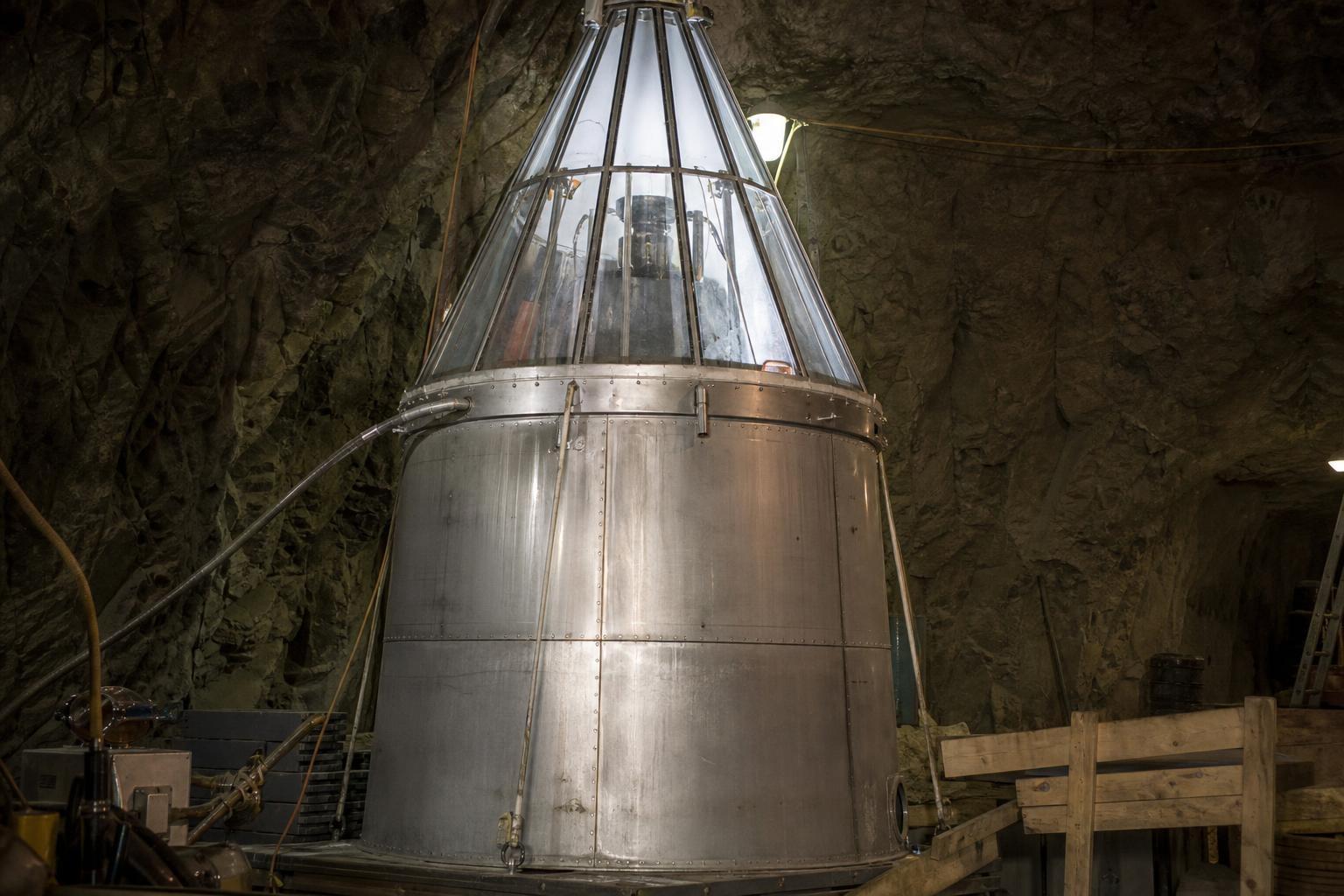
He was a physician first, a test pilot second, and an explorer by necessity. In late summer 1957, an Air Force flight surgeon climbed into a pressurized capsule at the bottom of a quiet Minnesota mine, rose beneath a shimmering ocean of helium, and drifted to the ragged edge of the sky. What followed was a 32‑hour study in endurance, ingenuity, and the anxious calm that comes when a human sits closer to space than to the weather below.
A launch like no other
The mine pit provided a windless bowl, its steep walls sheltering the balloon during inflation. Engineers unspooled acres of polyethylene, lifted by helium so buoyant it threatened to escape at the lightest breeze. A compact metal capsule—barely big enough for a crouched man—hung beneath the silvery envelope, bristling with sensors, radios, and life‑support plumbing. “Up here,” he would later note, “every breath is engineered.”
By dawn, the system was alive: gauges twitching, valves ticking, and the pilot in a pressure suit as backup to the capsule’s atmosphere. With a final countdown, the load lightened, the balloon leaned skyward, and the whole assembly rose with a whisper, leaving cranes, crew, and the dark water of the pit far below.
Riding the blue‑black edge
As altitude built, the air thinned, the sky turned a deep cobalt, and the capsule’s portholes framed a subtly curving Earth. The gondola settled near the stratospheric ceiling, more than 30 kilometers up, where weather dies and the planet looks like a map. “Silence pressed in,” he radioed, “broken by fans, beeps, and my own breathing.”
The world beneath was orderly in miniature: ribbons of river, checkerboard farms, and the pale sweep of cloud shadows barely moving. Over the day, the Sun made the capsule hot, then night made it brittle with cold—windows fogged, then cleared, as heaters and desiccants chased the chill. Each hour brought a small test, and each test brought a small answer.
A laboratory above the weather
This was not a stunt. It was a space‑age rehearsal, staged just below the vacuum. Biomedical leads traced his heartbeat, respiration, and skin temperature to ground consoles hundreds of miles away. Dosimeters tallied high‑energy particles, while checklists marched through emergency drills for leaks, fires, or sluggish valves. He drank carefully metered fluids, ate compact rations, and managed waste with a pilot’s precision—mundane acts turned critical by altitude.
The capsule’s environmental system parsed oxygen, scrubbed carbon dioxide, and tried to hold a human‑friendly pressure where outside air would boil saliva. The balloon itself was a living compromise: expand too fast, it could tear; too slow, it could descend into turbulence and weather. “Patience is your thruster,” he joked, “and drift is your engine.”
Mind and body at altitude
Thirty‑two hours is a long time to be alone with steady beeps and a horizon that never ends. Fatigue crept in quietly; sleep teased, then fled, as procedure after procedure demanded attention. He cataloged subtle changes—slowed appetite, dry eyes, hands moving more deliberately than his mind expected. Isolation, he wrote in his notes, is both ally and adversary; it clears the head, then crowds it with small worries.
Stress management became a discipline: micro‑tasks, measured breathing, occasional stretches inside the harness. The calm was not empty; it was active, vigilant, and earned. At times he simply looked out, letting the planet’s slow roll reset his sense of scale. “You are not above the world,” he scrawled, “you are just farther from its noise.”
What the mission proved
From this fragile perch, a blueprint for human spaceflight hardened. The Air Force team learned what could be trusted, what needed redesign, and how to care for a person whose nearest neighborhood was vacuum. Among the clearest takeaways:
- Reliable life‑support must be simple, redundant, and readable when the pilot is tired; biomedical telemetry is as vital as navigation; high‑altitude operations are humanly tolerable with the right habits, training, and thermal control.
These were not abstract lessons. They flowed into pressure garments, capsule layouts, and procedures that Mercury and Gemini would refine. They also reframed the pilot not as a daredevil, but as a disciplined researcher whose body was the instrument, and whose notes were as valuable as any gauge.
Return to the living world
Descent began when weather and fuel margins said it must. Venting gas and dropping ballast nudged the giant sail earthward, trading thin‑air serenity for the texture of wind and terrain. The landing was practical, not poetic—radio calls, a ground team, the crumple of envelope on grass, and the sudden nearness of voices.
Back on the surface, he stepped from small to vast, from engineered air to August humidity and the smell of pine. Cameras arrived; questions followed. What did it feel like? “Like being in a laboratory with the door open to space,” he said—half metaphor, half literal truth.
A thin line, crossed with care
What lingers is the scale of the attempt and the modesty of its tools: plastic film, helium, a cramped capsule, and a doctor’s calm hand. In that quiet ascent, medicine met aeronautics and found a common language—numbers and notes, sweat and sky, the discipline to wait, and the courage to go. For 32 hours, a single human rode the high quiet, and brought back instructions for how the rest of us might follow.
