
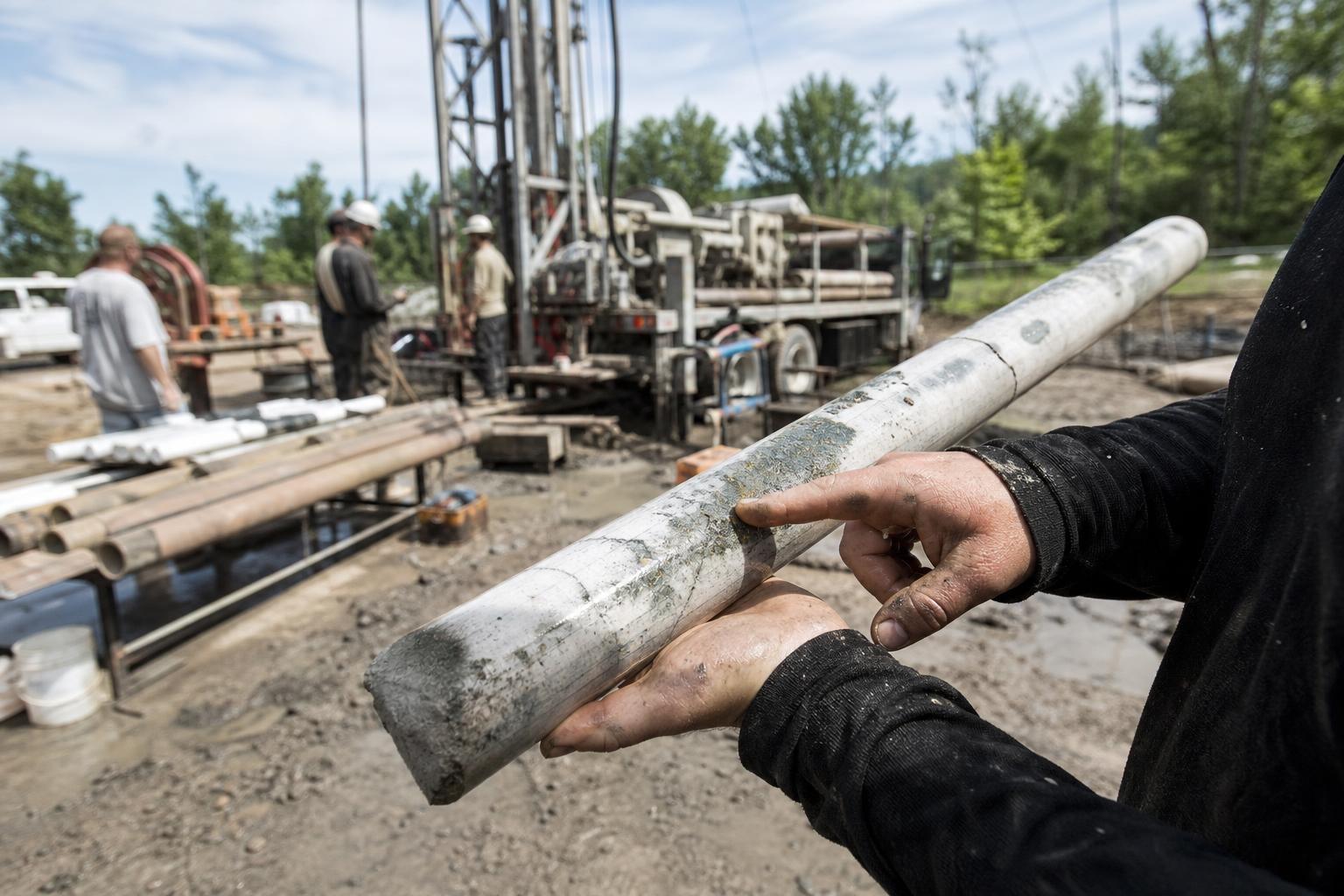
A quiet corner of the American South just vaulted into the spotlight, with geologists reporting a lithium-rich brine under southern Arkansas that could transform the EV supply chain. The resource stretches through the ancient Smackover Formation, a porous reservoir already tapped for bromine, now revealed as a potential engine for the next energy era. As one researcher put it, “the chemistry is there, the infrastructure is close, and the clock is ticking.”
What lies beneath
Beneath pine forests and pastures, super-salty waters circulate through limestone and dolomite laid down in a Jurassic sea. Those brines hold significant lithium, dissolved alongside bromine and other minerals. The geologic story is simple and staggering: vast volumes, permeable rock, and a proven network of production wells.
Industry veterans call it a “sleeping giant,” long overlooked because lithium was a niche metal until EVs supercharged demand. “It’s not a gold rush in the classic sense,” one analyst quipped, “it’s a chemistry rush with an oilfield playbook.”
From brine to battery
Unlike open-pit mines or high-altitude evaporation ponds, companies here plan to use direct lithium extraction, or DLE. The process pulls lithium from moving brine, returns the water underground, and aims to trim land disturbance. Think modular plants, pipe racks, and separation columns rather than sprawling pits.
DLE is not magic, but it’s maturing. Pilot units in the region are testing sorbents and membranes designed to capture lithium with high selectivity and low energy penalties. “Resource is not the same as reserve,” cautions a geochemist, “but the pathway from lab to scalable modules is becoming visible.”
A supply chain reset
If scaled, Arkansas could slash import dependence, feed new cathode and cell factories across the South, and stabilize prices rattled by boom-bust cycles. Rail, river, and Gulf Coast logistics are already there, while skilled chemical workers know brine handling inside and out. It’s an industrial jigsaw that almost fits, awaiting permits, power hookups, and a final push.
Automakers chasing North American battery content credits are watching closely, pencils poised over future contracts. Domestic lithium can unlock tax incentives, derisk timelines, and compress supplier lists. As one buyer said, “every mile we move upstream is a mile we take off risk.”
Environmental stakes, clearly stated
DLE’s promise is smaller footprints and water returned to the same deep formations. Monitoring is essential: pressure management, well integrity, and trace chemical control. Early studies suggest lower surface disturbance than most alternatives, but cumulative impacts still demand transparent data.
Communities want clear answers: What about seismicity from reinjection zones? How will air emissions be limited? Who verifies that water chemistry stays within safe bounds? “Trust arrives on foot and leaves on horseback,” a local advocate reminded, urging baseline testing and public dashboards.
Economics with sharp edges
The headline figure—enough to meet global car battery demand many times over—refers to in-place resources, not bankable reserves. Turning potential into production takes capital, permits, long-term power, and chemical reagents at stable prices. Lithium prices themselves swing like a pendulum, reshaping project economics quarter by quarter.
Grid power is another pivot. DLE needs steady, affordable electricity; pairing with renewables plus firming capacity can cut both costs and emissions. Creative offtakes—index-linked, floor-price, or tolling models—may share risk across miners, refiners, and automakers. “The winners will marry geology with contracts,” said a market watcher, “and chemistry with cashflow.”
The road from pilot to prime time
Pilot plants are proving recipes, but commercial trains must run for years with consistent yields and tight impurity control. Downstream conversion—turning intermediate into battery-grade hydroxide—is a separate competence that must be built or bought. The region’s learning curve will be steep, but the oilfield mindset prizes uptime, metrics, and relentless iteration.
Momentum favors places with permits that can move, partners that can co-invest, and customers ready to sign offtakes with real teeth. “Speed without shortcuts” is the mantra repeated in boardrooms and field trailers alike.
What to watch next
- Pilot-to-commercial scale-ups hitting multi-month runtime with stable recoveries, permitting milestones with clear community input, and offtake deals that align price, volume, and ESG audits
The broader picture is hard to miss. A rural belt long known for hydrocarbons and bromine could supply the ions powering electric mobility, data centers, and grid-scale storage. If Arkansas sticks the landing—on tech, on trust, on timing—it won’t just add another dot on a lithium map. It will redraw where value is created, who captures it, and how fast the EV era becomes a durable American industry.