
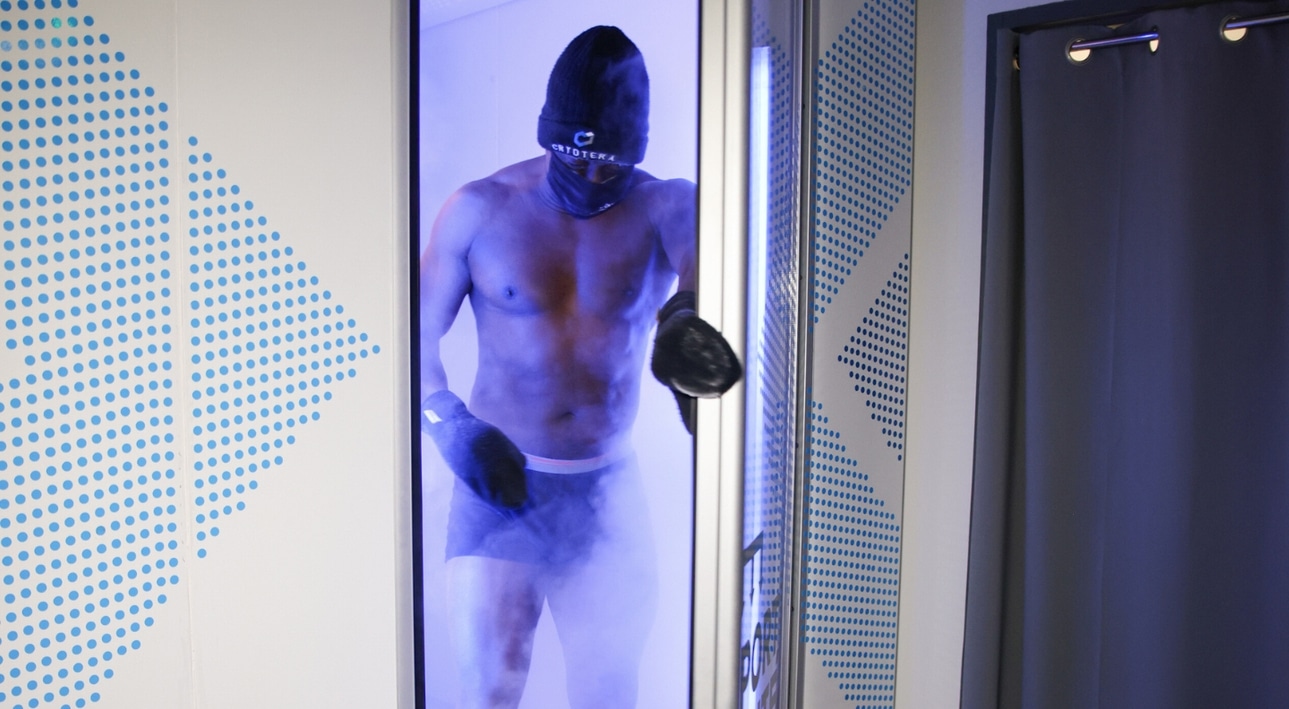
Recently, the French company Cryotera has recruited volunteers across France for its latest study. The aim? To rigorously measure the impact of whole-body cryotherapy on sleep quality as well as overall well-being. How will this scientific study proceed?
What is cryotherapy?
Founded in Reims in 2016, Cryotera offers a comprehensive concept at the crossroads of sport, well-being and aesthetics. The brand’s centers offer non-invasive techniques such as whole-body cryotherapy, localized cryotherapy, pressotherapy and cryolipolysis. Generally, cryotherapy is a therapeutic method involving exposure of all or part of the body to extreme cold — between -110 °C and -170 °C — for a short duration, typically between two and five minutes. This technique triggers reflex physiological responses that are beneficial for health, recovery and well-being.
As revealed by the Observatoire de la Franchise in an article dated July 30, 2026, Cryotera has launched a national scientific study across its 21 centers — including Paris, Lyon and Marseille. The objective will be to rigorously measure the effects of Whole-Body Cryotherapy (WBC) on sleep and general well-being. By definition, WBC involves full immersion (excluding the head) of the patient in a space cooled by liquid nitrogen or by an electrical system.
Turning field observations into scientific evidence
As Cryotera explains on its WBC presentation page, the human body naturally needs to lower its core temperature. However, the thermal shock produced by cryotherapy is expected to stimulate this physiological mechanism by acting on the autonomic nervous system. The cold triggers immediate vasoconstriction followed by vasodilation, which optimizes blood circulation, speeds up muscle recovery and reduces inflammatory processes. By promoting the release of endorphins, cryotherapy reduces stress, anxiety and physical pain, thereby removing the main obstacles to quality rest.
For Cryotera, the goal is to turn field observations into scientific evidence. In fact, more than 80% of the brand’s clients report better sleep after their WBC sessions. The study thus aims to establish scientific authority on cryotherapy, particularly in light of Inserm’s statements that the level of scientific evidence remains moderate or even weak for certain non-sport indications.
“Our objective is to transform field observations into scientific evidence. By making this study accessible, we want to offer a natural and supervised solution to all those whose daily lives are affected by fatigue and lack of sleep,” said Bastien Bouchet, co-founder of Cryotera.
A twelve-session program
The company launched its recruitment campaign in June 2026, for around twenty candidates per center. The targeted audience is, in fact, specific: individuals suffering from difficulties falling asleep, shallow sleep or persistent fatigue. The selected volunteers will follow a total of 12 supervised sessions, including an initial assessment, ongoing monitoring and a final evaluation. In detail, participants will undertake a daily session for 10 consecutive days (excluding Sundays), then a weekly session for two weeks.
Finally, unlike mere wellness spaces, Cryotera relies on a scientific committee. The brand already has more than twenty scientific publications and actively collaborates on doctoral theses to validate its protocols.
